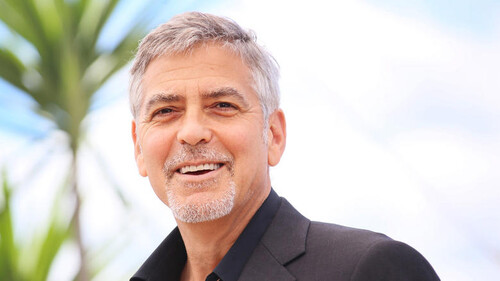
David Wyler, CEO of Jeff Wyler Automotive Family in Milford, Ohio, was the inaugural guest on “Retail on the Record,” a new Automotive News weekly video podcast. Wyler discussed the current buy-sell market, his January acquisition of Midwestern Auto Group, his dealership group’s culture of coaching, Carvana’s new-car sales success, the looming threat of Chinese vehicles in the U.S. and more. Here are edited excerpts.
Jeff Wyler Automotive Family has grown from a single dealership in 1973 to more than 20 locations and 2,500 employees in Ohio, Kentucky and Indiana. Wyler talked about the the group’s philosophy when it comes to acquiring new stores.
Coming out of COVID, I think people were flush with capital and looking to deploy. I still think there’s a significant amount of activity. I just think the gap between the buyer and the seller in terms of valuation is still kind of significant. I think you’ll see here in the next 24 months a lot of opportunity out there for buyers and for sellers. Our philosophy is we want to own our market. We’re in Cincinnati, Ohio, and we go as far south as Louisville and as far north as Columbus and then all parts in between. And we feel like we can scale our assets that way and we can manage it. We can also sleep in our beds at night. I always want to see what’s going on in the market and I look at deals every single week. There’s usually not a deal that transacts within our market that we don’t know about or we haven’t looked at. Unfortunately — or fortunately — we’re usually the first call. And maybe it’s because they think that I’m so nice that they want to do business with me. Or they’re like, ”Call him because he’ll pay you the most."
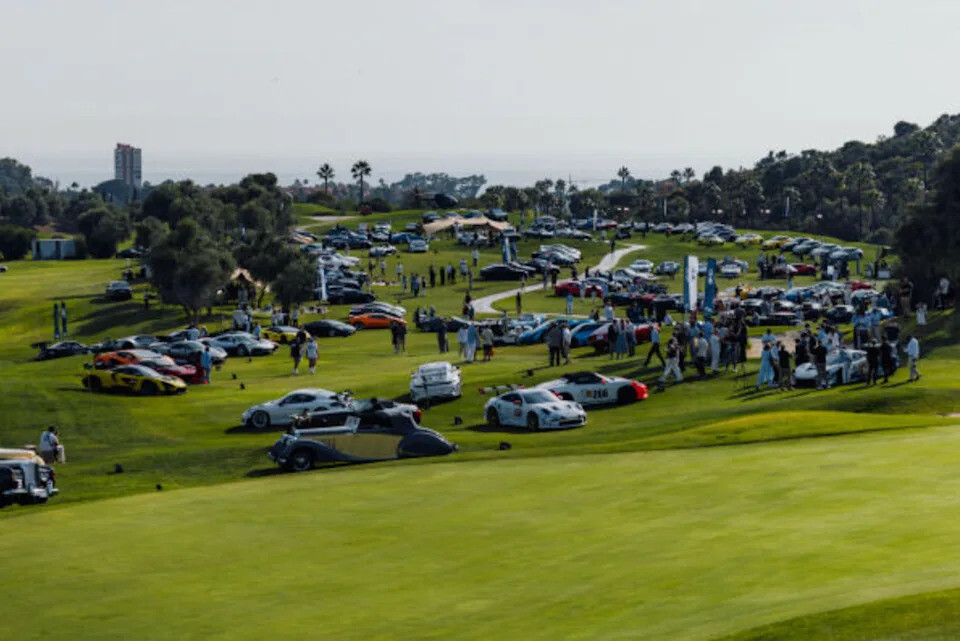
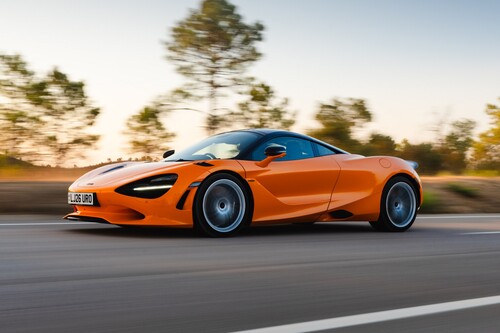
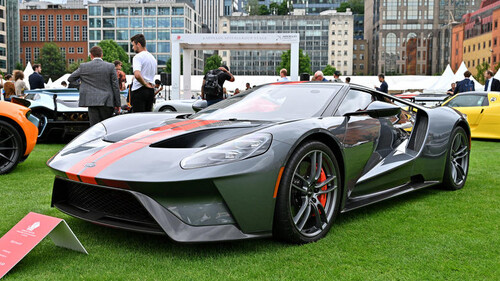
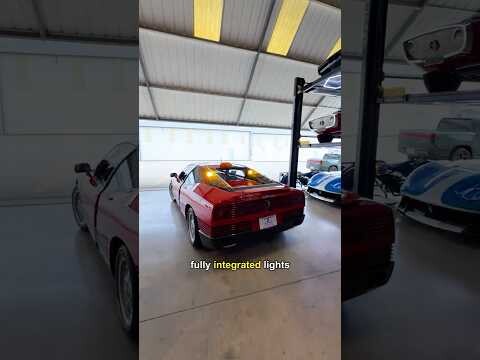
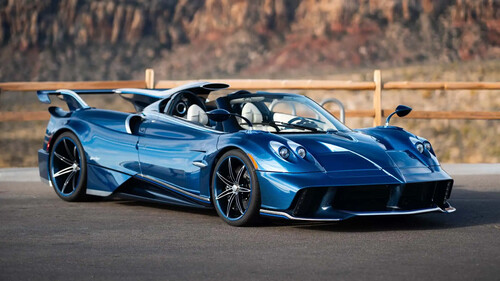
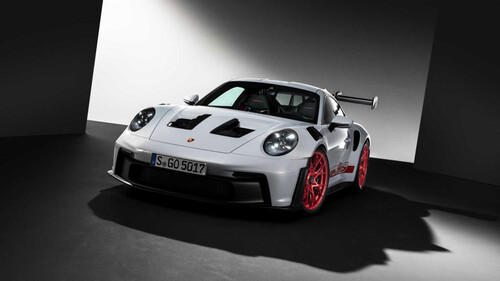
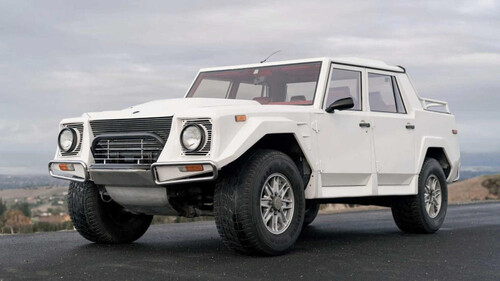
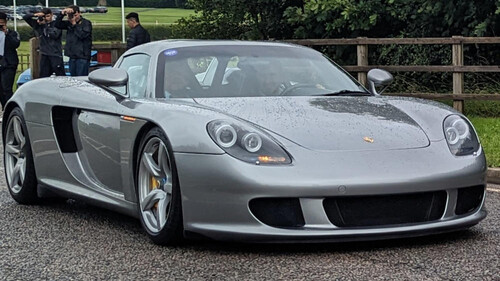
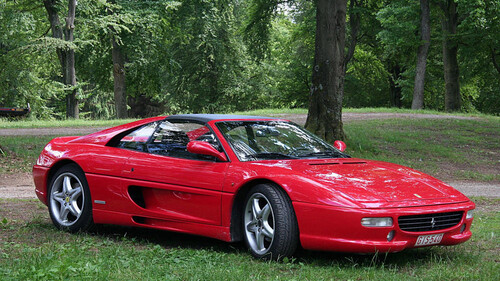
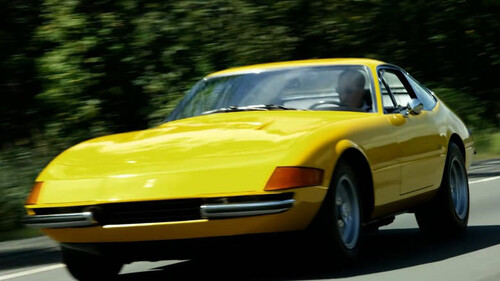
In January, Wyler acquired Midwestern Auto Group’s import and luxury stores in Dublin, Ohio, that feature 14 brands such as Ferrari, Lamborghini, Rolls-Royce, Bentley and Porsche. The campus was rebranded as The Wyler Collection. The deal is expected to add $500 million in acquisition value.
My kids thought I should do it. They’d be a Ferrari dealer and a Lamborghini dealer. I mean, who wouldn’t, right? It’s the largest transaction we’ve ever had; it’s 14 brands. And of those 14 OEMs, we didn’t represent or sell any of those brands. It’s a new relationship for us. So that was intriguing in the sense that, ”Hey, we could build a relationship with these new OEMs." Again, it was a significant capital investment on our part. There’s three of us that make these decisions. It’s me, it’s my old man and it’s my brother-in-law Scott, who’s the president of our organization. They said, “We should do this.” And I’m like, “What are you guys thinking?” They definitely had to push me because I feel like I’m the steward of our organization and I don’t want to be the guy that’s like, “Hey, see, it was his fault.”
Eight years ago, Wyler Automotive “fired” all its managers and “rehired” them as coaches as part of a culture shift to improve team performance through coaching.
We do an annual retreat for our top executives and we just like to go out and benchmark different organizations that are not in automotive retail. We’ve done retreats in Indianapolis with the NCAA. We’ve done retreats at Yum! Brands in Louisville, Ky. And we did a retreat in Columbus with the NHL’s Columbus Blue Jackets. As part of that three-day retreat, I thought it was important for us to change our culture, to go from the manager side to the coaching side. Sports has always been a huge part of my life and coaching has been part of my life. I’ve had great coaches. I’ve had the opportunity to coach my kids. And it is a huge responsibility to be called a coach. There’s so many things that overlap when it comes to management and coaching. I kind of feel like if you’re a manager, it’s like, ”Hey, now I get to sit back, I put my feet on the desk, and I can tell you what to do," which is the furthest thing from what we want. We want our coaches to be engaged every single day. There’s so many similarities, but it’s really just to get everybody engaged on a daily basis because you’ve got to coach them up every single day. I always like to say that if somebody doesn’t make it within our organization, it’s my fault because I’ve hired the coaches. The only reason an employee is not going to be successful in our organization is you hired the wrong person or you didn’t coach them up. There’s no in-between. That’s our philosophy.
In April, Carvana bought Avon Lake Chrysler-Dodge-Jeep-Ram near Cleveland, about 250 miles northeast of Wyler’s Cincinnati-area headquarters. It was the used-car giant’s seventh new-vehicle dealership purchase.
I’m fascinated. I’m absolutely intrigued how they can sell that many cars and not have the infrastructure when it comes to personnel. I think that they’re absolutely onto something when it comes to the frictionless transaction, when it comes to the automobile purchase. And we’re taking a look at it hard, whether it’s somewhat of the Carvana model or there’s obviously the ever-changing AI model, but I think everybody knows that the frictionless transaction is what the consumer wants. And it’s how the retailer can best accomplish that. Clearly, they’re doing a great job. There is no doubt — you’ve got to change, you got to evolve. And what Carvana is doing is not what the traditional car dealer has always done. And that probably concerns folks. But you know what? It kind of excites me and because I want to learn what they’re doing and what we can do different and get betteras an organization.
At the 2026 Automotive News Congress, industry leaders said the U.S. faces a big decision whether to allow China carmakers access to the American market, potentially resulting in job losses, squeezed profits and national security risks.
I think at this point [selling Chinese vehicles] is something that we would not want to do. That would not be our strategy. I think that’s a short-term gain for long-term pain and we’re definitely the opposite. I definitely see what happened in Europe and how many cars China’s selling over there and how they’ve increased their market share over the last 36 months. And a lot of it is that value proposition. But I think for the long-term viability of the United States auto worker, I think that having that short-term gain of, ”Hey, we could have some more car sales and it’s gonna be a little bit less expensive for the consumer," I think that could bite us in the long run here in [Ohio]. On the flip side, if you take a look at what these Chinese OEMs have done on technology, it’s pretty fascinating to see. But again, it’s hard to compete against government money. I think the Chinese model is truly a threat to our industry, to the auto worker here in the United States, to the shareholders of these OEM public companies. The geopolitical climate kind of keeps you up because you don’t know what’s going to happen tomorrow. We didn’t know that 9/11 was going to happen. We didn’t know what was going to happen in the Great Recession. That’s probably the most unnerving thing — the things that dealers can’t control. But I think dealers are the most adaptive species on Earth.We can kind of adapt and change and evolve with an environment that we’re given. Who knows what it’s going to be. But you know what? I think the car dealer’s going to be just fine.