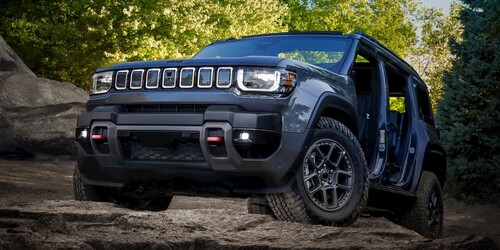
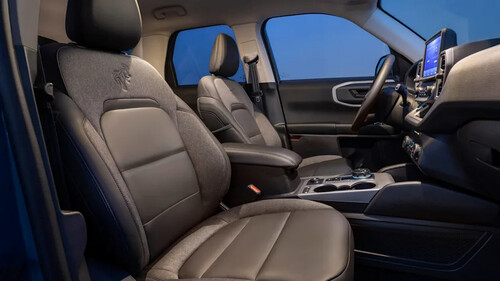
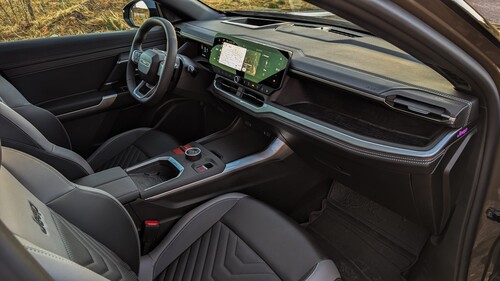
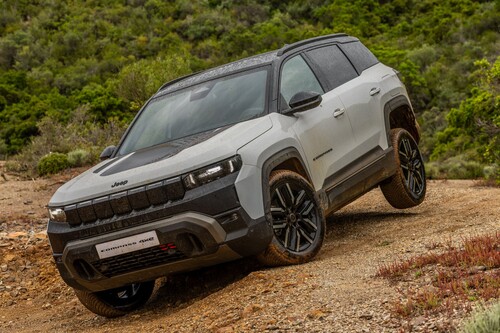
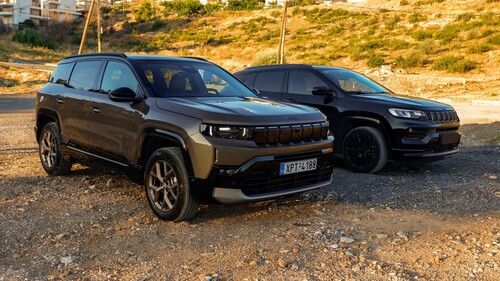
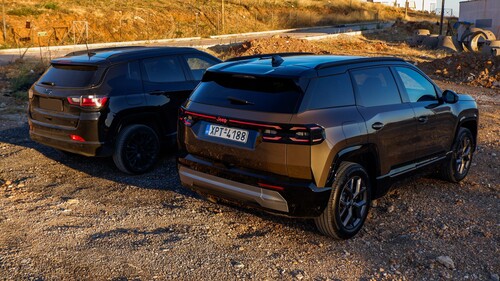
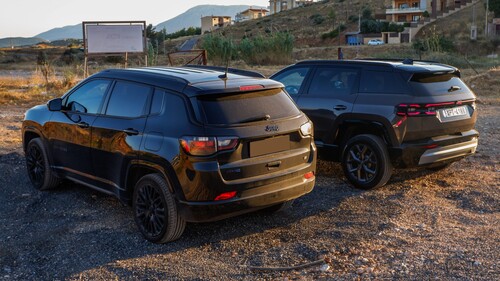
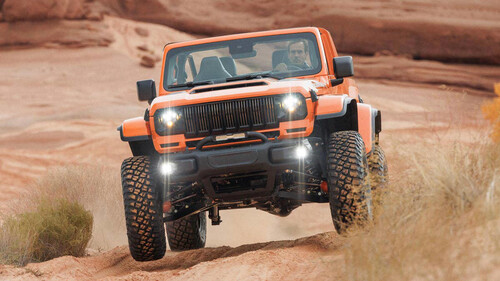
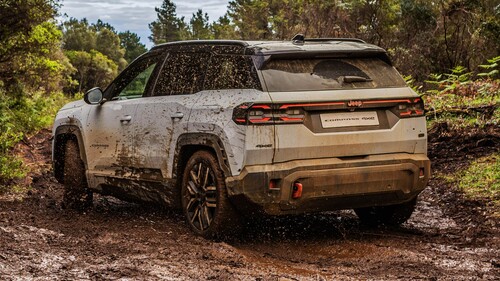
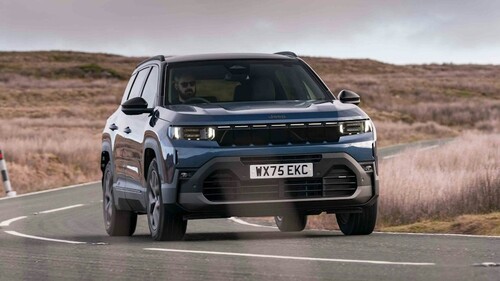
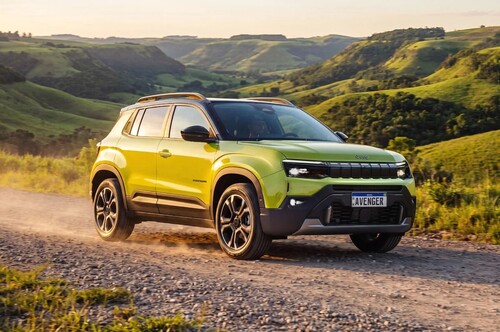
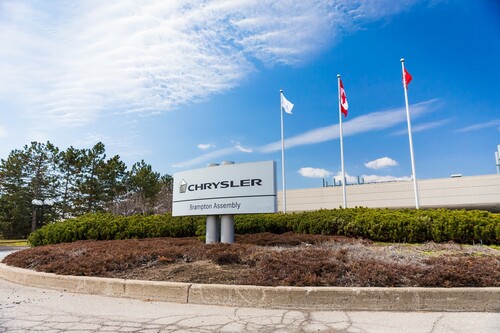
Stellantis is laying the groundwork to import electrified Jeeps to Canada from China after scrapping plans to build the next-generation Jeep Compass at the idled Brampton Assembly Plant in Ontario, a site it aims to sell to a local defence contractor.
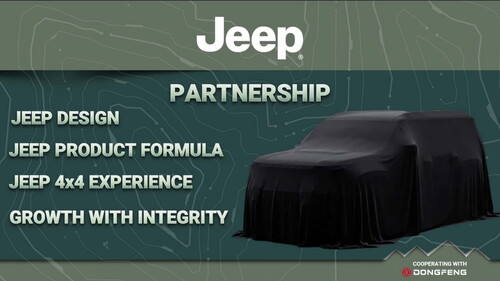
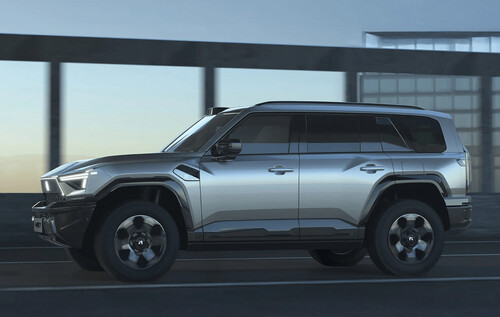
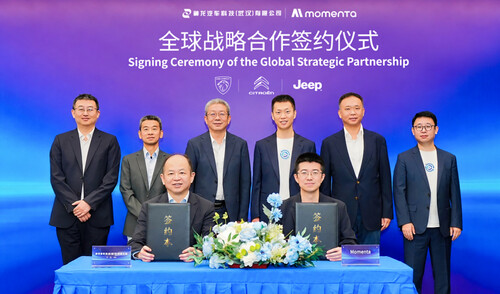
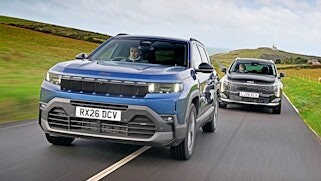
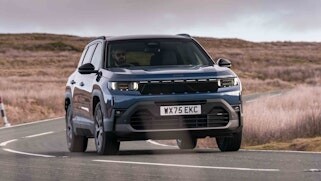
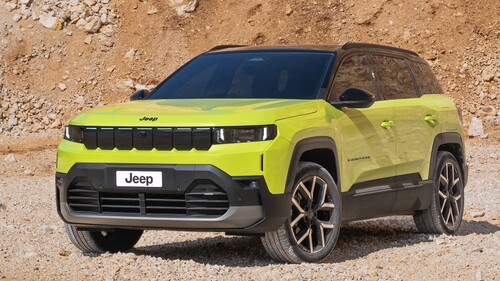
Starting in 2027, a joint venture between Stellantis and China’s Dongfeng will build two Jeep models for sale within China and for international export, according to Lv Haitao, general manager of Dongfeng Stellantis Automotive Technology.
The target export markets include Canada and Mexico, but not the United States, where China-made vehicles face steep tariffs, he told sibling publication Automotive News at a September briefing in Shanghai.
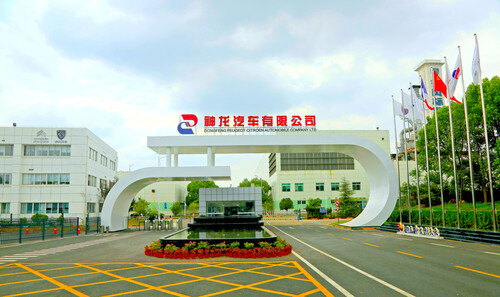
The battery-electric and plug-in hybrid Jeeps, to be built in Wuhan at the Dongfeng Peugeot Citroen Automobile plant, will leverage Dongfeng’s electrified vehicle technology. Lv provided no further details on the export plans.
Stellantis Canada said the plan to import the Jeeps from China remains preliminary.
“At this stage, saying these vehicles are planned for Canada would be very premature,” spokesperson LouAnn Gosselin said in an email.
She added that “potential imports” of the China-made Jeeps did not factor into the company’s Brampton decisions.
The automaker’s weighing overseas Jeep imports comes as its Canadian arm remains entangled in a battle with government and its unionized workforce over the future of the Brampton plant.
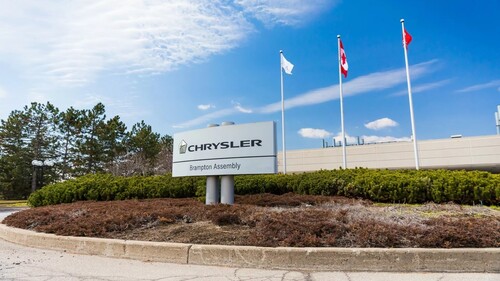
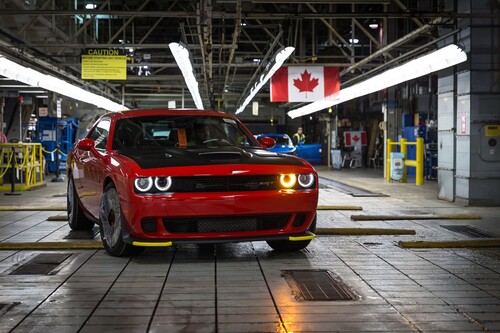
The site in the Toronto suburb has not built a vehicle since 2023, when Stellantis began retooling it to build the Jeep Compass. Partway through the project in February 2025, it abruptly paused all work, and months later, shifted the Compass program to the United States, leaving Brampton without a product.
“The idea that Stellantis will import EV Jeeps built in China to Canada, while attempting to shutter a promised EV Jeep plant in Brampton, is entirely unacceptable and out of touch with Canadians,” Unifor President Lana Payne told Automotive News Canada in an email.
Possible Brampton sale
Unifor represents about 2,200 hourly Stellantis workers in Brampton, 6,400 at the Windsor Assembly Plant and several hundred others across parts manufacturing, distribution and office roles at the company in Ontario and Alberta.
Stellantis committed the next-generation Jeep Compass — expected to have both electric and internal-combustion-engine variants — to Brampton as part of its 2023 collective agreement with the union.
Stellantis maintained until August that it was evaluating alternative options for the Brampton plant, but told Unifor ahead of 2026 bargaining that it was “seriously” considering selling the plant. The two sides sat down for contract talks Sept. 1, but have remained deadlocked after the automaker signed a tentative deal with defence contractor Roshel that could lead to the sale of the plant.
Rank-and-file Unifor members will vote on whether to authorize strike action against the company Oct. 17 and 18.
Stellantis also received millions in funding from the federal government to support dual retooling projects in Brampton and Windsor.
Canadian Industry Minister Mélanie Joly has needled Stellantis for the past year, threatening to sue the company for breaching its financing terms and pledging to get taxpayer money back if the Brampton plant closes.
The department did not immediately respond to a request for comment about the automaker’s import plans.
China import risk
Beyond the immediate issue with Brampton, Unifor’s Payne said the Stellantis move to import vehicles from China is the “clearest indication yet” that the Canadian government allowing China EV imports is a strategic error.
“Promises of cheap electric cars leading to new domestic Chinese investment is an unrealistic pipe dream, as this latest Jeep announcement demonstrates.”
Canada opened the door to electrified vehicles from China in January, replacing its 100-per-cent surtax on imports with a quota system. The quota will enable 49,000 China-made electric or hybrid vehicles into Canada at the most-favoured nation tariff rate of 6.1 per cent in its first year, with the quantity of vehicles increasing 6.5 per cent annually.
Along with enabling imports of low-cost EVs, the federal government maintains its China quota is designed to incentivize Chinese joint-venture investment in Canada’s auto sector.
The lowered trade barrier has prompted several domestic China automakers to pursue expansions into Canada, with sales expected to start shortly, but no manufacturing commitments to date.
Certification hurdles
Stellantis, meantime, is not alone among incumbent automakers looking at ways to leverage the quota system and their global networks as China emerges as a global export hub. Nissan, for instance, said in May that it was evaluating the business case for shipping several thousand EVs made at a China joint venture to Canada.
But while Ottawa’s quota creates a way around one import barrier, homologation is another hurdle.
Vehicles sold in Canada must meet Canada Motor Vehicle Safety Standards (CVMSS). The certification process is costly and time consuming, and not typically carried out if vehicles are not also destined for the United States, which has closely related safety rules.
The Jeeps developed in China are “unrelated” to any the brand builds elsewhere, said Sam Fiorani, vice-president of global vehicle forecasting at U.S.-based AutoForecast Solutions, meaning North American certification would be an obstacle.
But Fiorani would not write off the plan, as Canada explores associate membership in the European Union and local stakeholders, including Stellantis, press Ottawa to accept European vehicle standards.
“With Canada looking to realign itself with Europe, the possibility exists that it could find its way into the country.”
— Yang Jian and Greg Layson contributed to this report.