In 1977, Janet Guthrie did something no woman had done before. She qualified for the Daytona 500 in February, and then for the Indianapolis 500 in May. Janet Guthrie and the Indy 500 have been linked ever since, because she was the first woman to earn a starting spot in either race.
She did not come to racing through a family team. Instead, she was a physicist and an aerospace engineer who built her own engines. That background makes her rise to the two biggest races in America even more striking.
Her results did not stop at qualifying, either. A year later she drove a Wildcat to a top-10 finish at Indianapolis, with a team she ran herself.
An engineer who raced on weekends
Guthrie was born on March 7, 1938, in Iowa City, Iowa, according to her Encyclopedia.com biography. Her family moved to Miami when she was three, after her father became an Eastern Airlines pilot. She earned a pilot’s license at 17.
In 1960 she graduated from the University of Michigan with a degree in physics. Then she joined Republic Aviation in New York as an aerospace engineer. There she worked on forerunners to the Apollo rockets. In 1964 she also passed the first round of NASA’s first Scientist-Astronaut program, but she lacked the Ph.D. needed to go further.
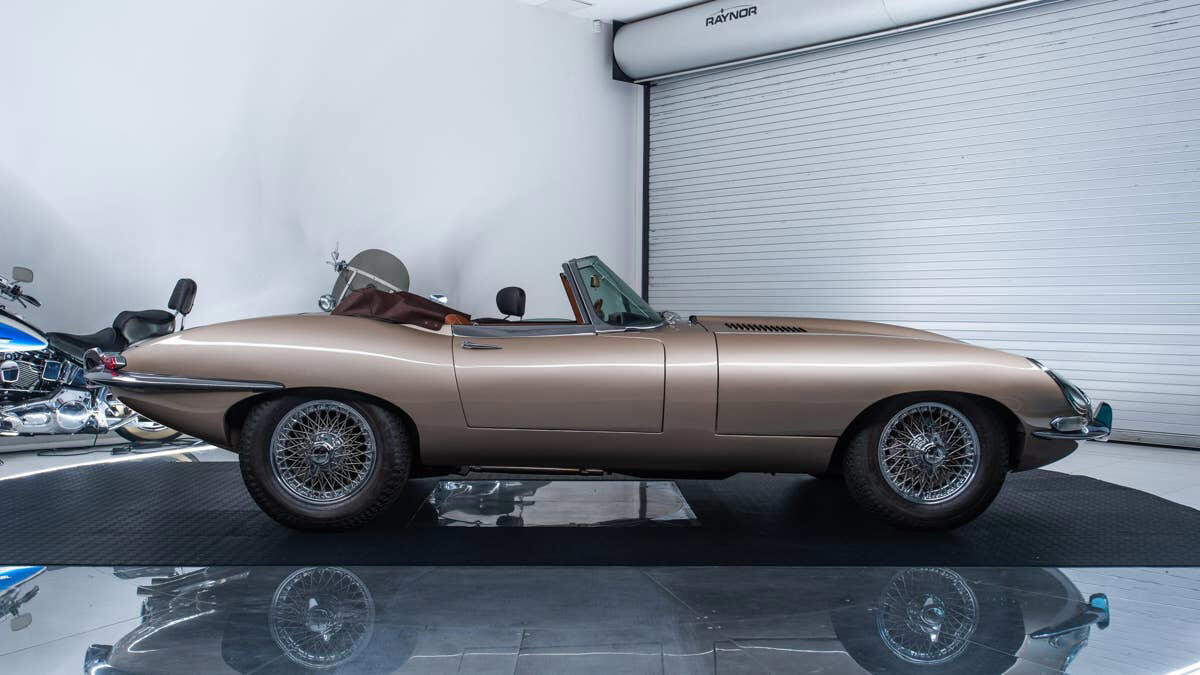
Meanwhile, racing took over her free time. She bought a used Jaguar XK 120 in 1960 and rebuilt it into a race car. Later, she moved to a Jaguar XK 140, built her own engines, towed the car herself and served as her own crew, the SCCA Hall of Fame notes.
Sports cars, Sebring and a full-time career
The results came steadily. In 1964 she finished sixth overall in the Watkins Glen 500 in her Jaguar. According to the Road Racing Drivers Club, that car ran on the first engine she ever built herself. She also won her class at the Sebring 12 Hours in 1967 and again in 1970.
Guthrie left Republic Aviation in 1967. By 1972 she was racing full time. In 1971 she won the New York 400 at Bridgehampton, her first overall victory. Two years later, she won the 1973 SCCA North Atlantic Road Racing championship in a Toyota Celica.
The road to the Janet Guthrie Indy 500 start
Her first attempt at Indianapolis came in 1976, and she did not qualify. Even so, team owner Rolla Vollstedt gave her a test drive and later signed her as his second driver for 1977. That same year, 1976, she became the first woman to race in a NASCAR Cup superspeedway event. She finished 15th of 40 starters in the World 600 at Charlotte.
Then came 1977. At Daytona in February, she became the first woman to start the Daytona 500. She finished 12th and earned Top Rookie honors, the RRDC says.
In May she made history at Indianapolis. According to the Indianapolis Motor Speedway’s driver records, she qualified the No. 27 Bryant Heating & Cooling Lightning-Offy at 188.403 mph and started 26th. However, a timing-gear failure stopped her after 27 laps, and she was classified 29th.
The Wildcat and a ninth-place finish
Guthrie came back in 1978 with a stronger car. She drove the No. 51 Texaco Star, a Wildcat with a four-cylinder Drake-Goosen-Sparks engine. Patrick Racing had built the car in 1977, according to the IMS Museum. Later, Patrick sold it to Guthrie’s team after Texaco offered sponsorship about a month before practice opened.
The museum describes the engine as a 161-cubic-inch turbocharged four. Art Sparks and Leo Goosen designed it as a slightly modified Drake Offenhauser. Bob Riley designed the Wildcat Mk 3 chassis, OldRacingCars.com notes, and the car sat much lower and narrower than the model before it.
She qualified at 190.325 mph and started 15th. Then she ran 190 laps and finished ninth, the IMS records show. That was the best Indy 500 finish by a woman until 2005, the IMS Museum says. Notably, she did it with a team she formed, owned and managed herself.
What came after 1977
Guthrie started the Indy 500 once more, in 1979, in a Lola-Cosworth. A piston failure ended her day after three laps. In total, she made 33 NASCAR Cup starts, and her best finish was sixth at Bristol in 1977, the RRDC reports. She also made 11 Indy car starts, with a best of fifth at Milwaukee in 1979.
Today the Wildcat she drove in 1978 belongs to the Indianapolis Motor Speedway Museum, and her helmet and driver’s suit are in the Smithsonian Institution in Washington, D.C.