British recyclers shred spent electric-vehicle batteries and ship the resulting powder, known as black mass, to China because the U.K. has almost no capacity to refine it domestically. The metals are then imported back at a premium.
The shortage of facilities to refine the powdery mix of metals recovered from shredded batteries is limiting the development of the U.K.’s EV supply chain, according to Christian Marston, chief operating officer of recycling firm Altilium.
The issue is becoming more pressing because European Union rules will require recycled content in new EV batteries from 2031, while most battery-grade refining capacity remains concentrated in China.
“Battery recycling today is that we shred the battery, export the black mass mainly to China and, when we do that, we export jobs, critical minerals and strategic control, then buy them back at a premium,” Marston said.
Black mass, which contains valuable cathode and anode materials including lithium, cobalt, nickel and manganese, is produced by shredding and dismantling spent lithium-ion batteries.
Fortune Business Insights values the EV battery recycling market at $700 million in 2026 and forecasts it will grow to nearly $3.3 billion by 2034.
While the U.K. has developed infrastructure to collect and mechanically shred end-of-life batteries, it lacks the chemical refining capacity needed to convert the recovered material into battery-grade products.
Altilium converts used batteries into sustainable cathode active material (CAM) for use in new batteries. The U.K.-based company says its processing technology recovers more than 95 percent of critical minerals, including lithium and nickel, from end-of-life EV batteries.
The company is building a domestic supply chain through hydrometallurgical refineries designed to recover battery-grade metals from end-of-life vehicles.
Its key projects include a refinery in Devon, England, described as the U.K.’s first commercial-scale EV battery recycling refinery. The facility is designed to process 24,000 EV batteries annually.
A second refinery in Teesside, England, is designed to process material from 150,000 EVs a year and supply more than 20 percent of the CAM required in the U.K. by 2030, Marston said.
JLR test shows recycled cathodes match performance
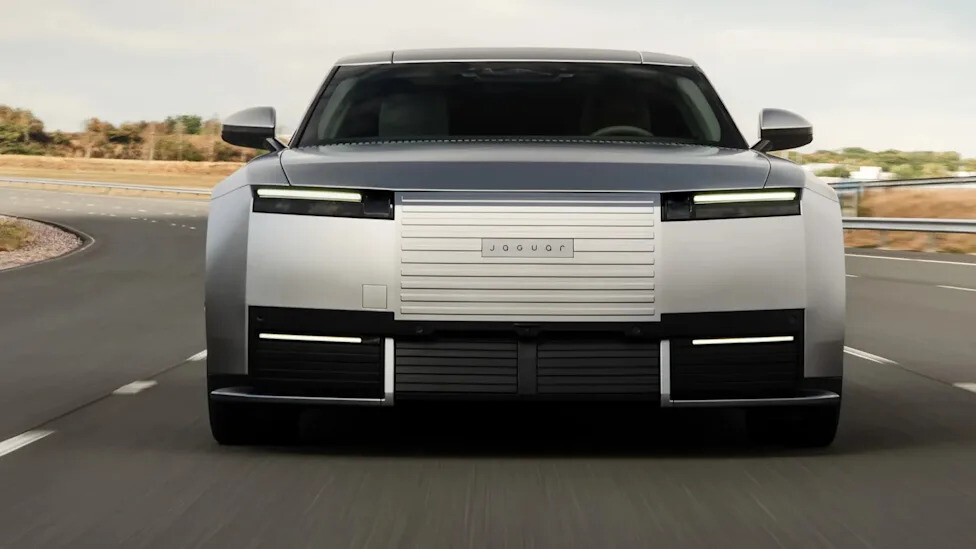
Altilium works with U.K. automakers including Jaguar Land Rover and Nissan. The company has partnered with JLR to build and test battery cells made from recycled cathode materials recovered from Jaguar I-Pace EVs.
“We were able to show the same performance with 32 percent lower carbon emissions in the cathode,” Marston said. “This demonstrates that we can recover 95 percent of the material for a third life, with lower carbon emissions and the same performance.”
According to an Altilium life-cycle analysis, its CAM has a 74 percent lower carbon footprint than material sourced through a Chinese supply chain and used in the U.K. Its anode material has a 77 percent lower carbon footprint than that of a Chinese supplier.
A fully recycled-material EV could have a carbon footprint 15 to 20 percent lower than that of today’s EVs, Marston said.
Demand for CAM and anode material is expected to rise sharply, increasing from a few thousand metric tons annually today to about 110,000 metric tons by 2035, he said. Currently, the entire supply chain is largely dependent on China.
“All you need is for China to weaponize that supply chain and you have a big problem for the U.K. automotive industry,” Marston said.