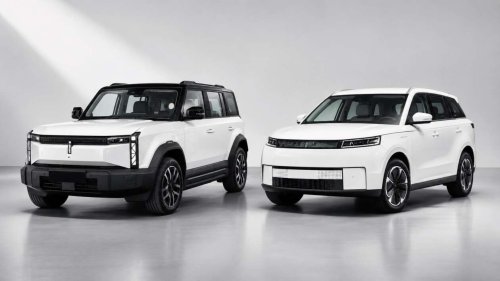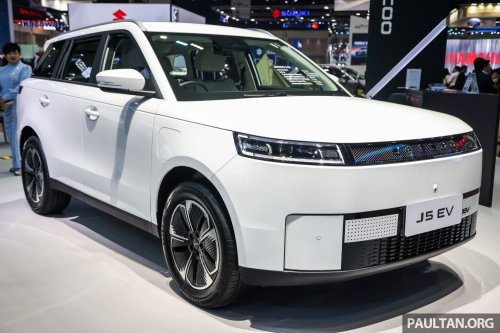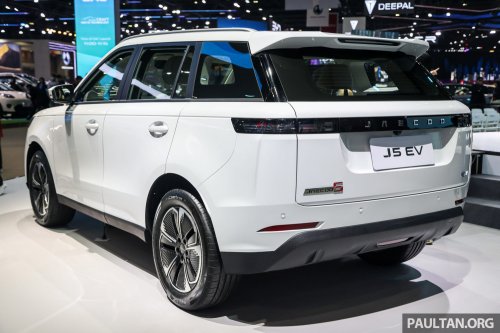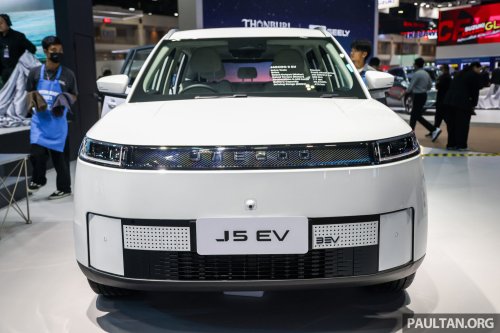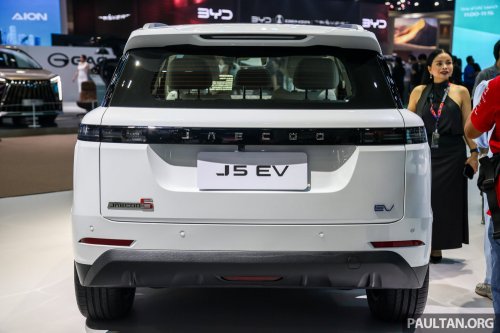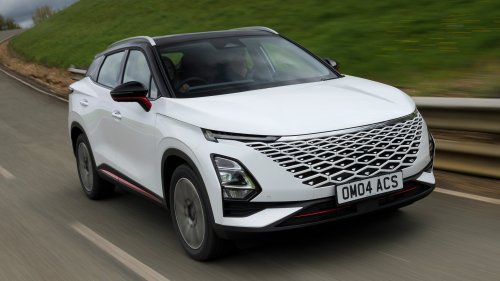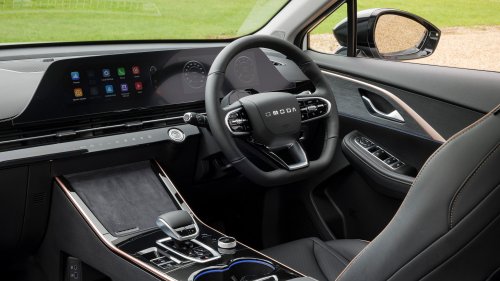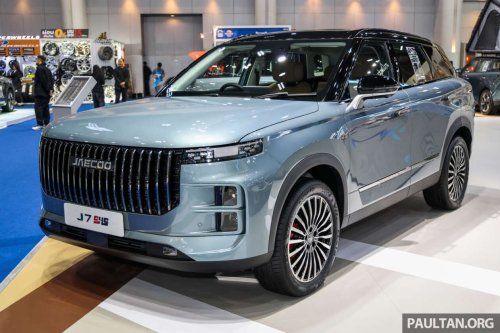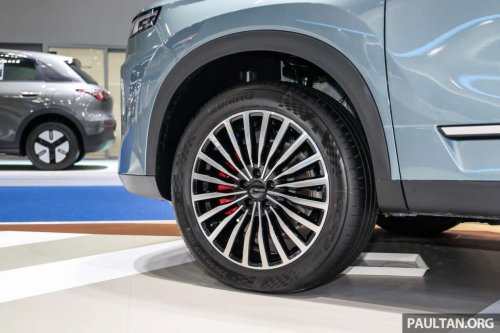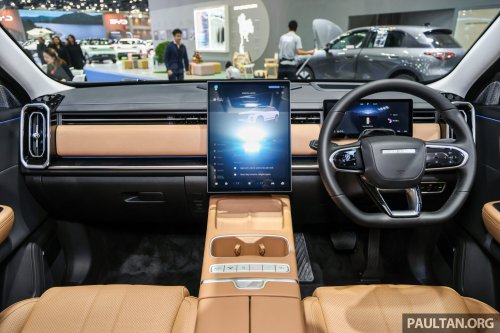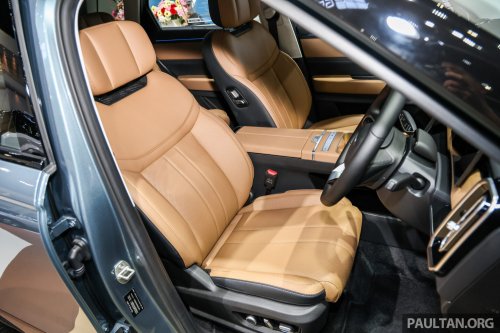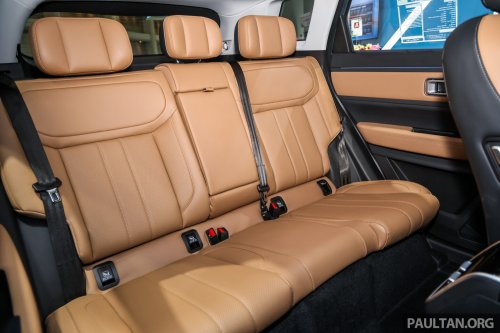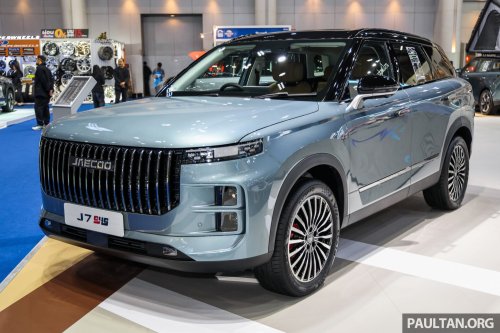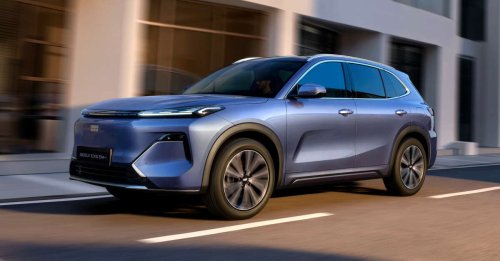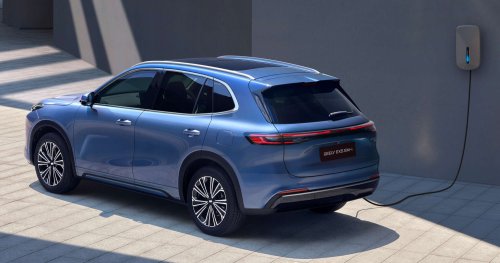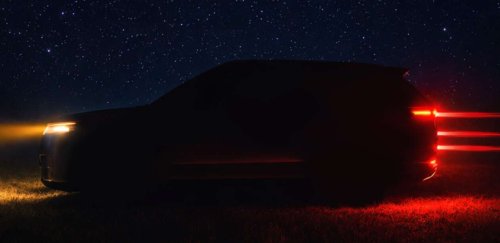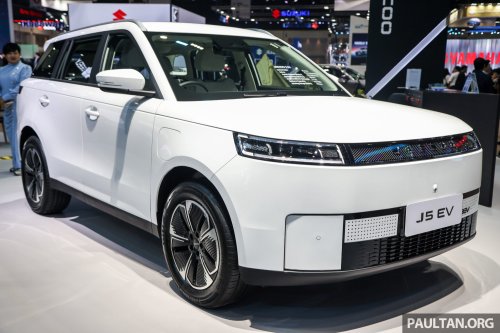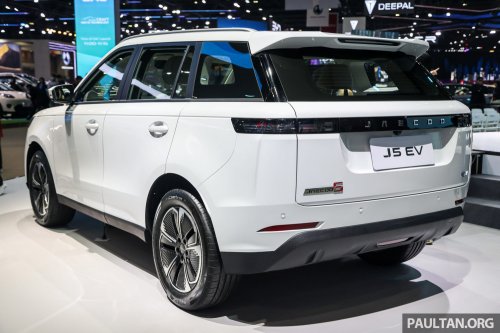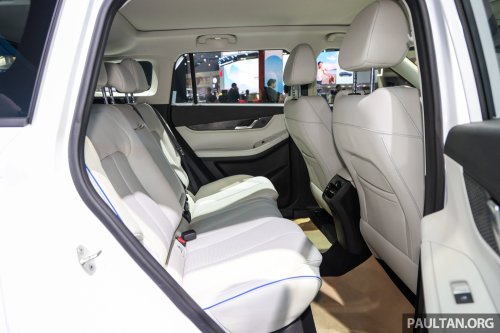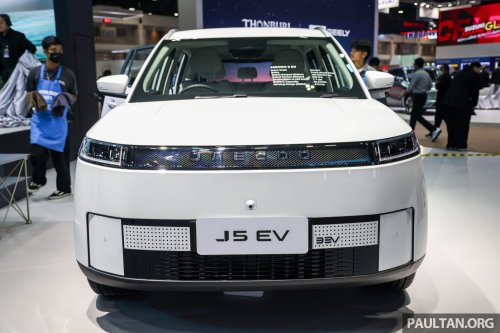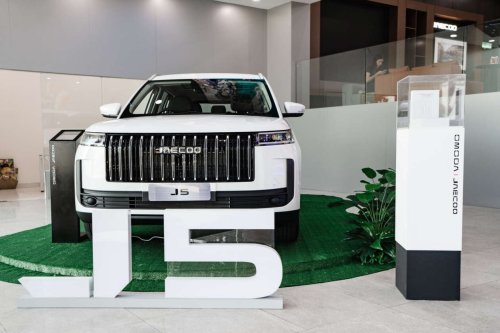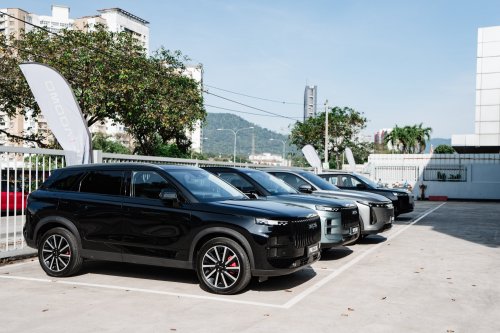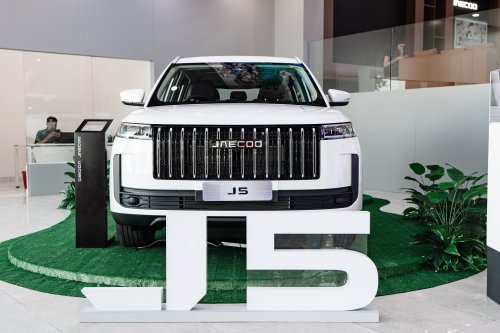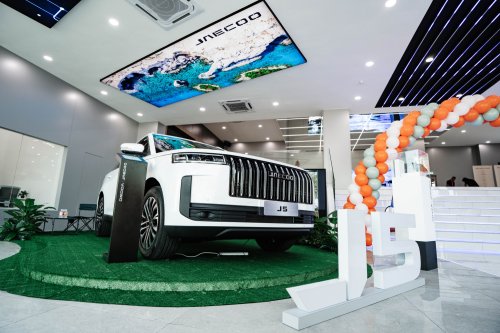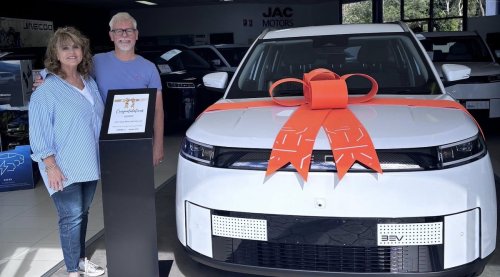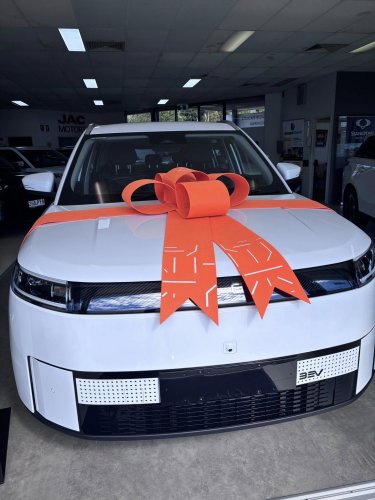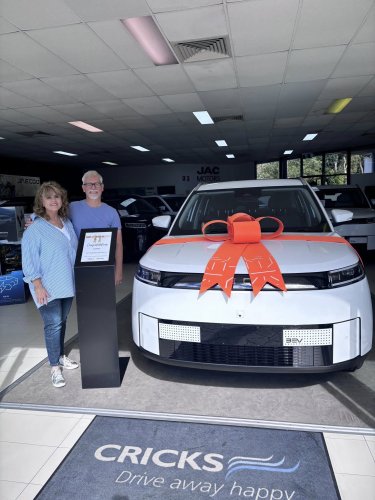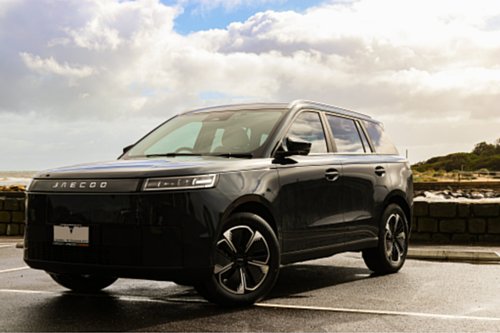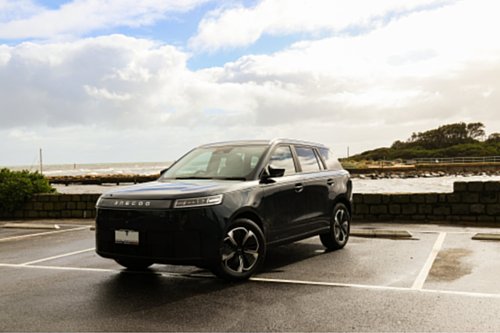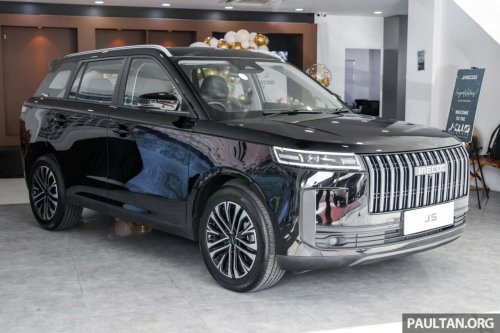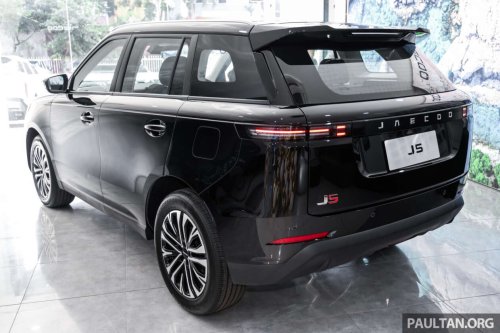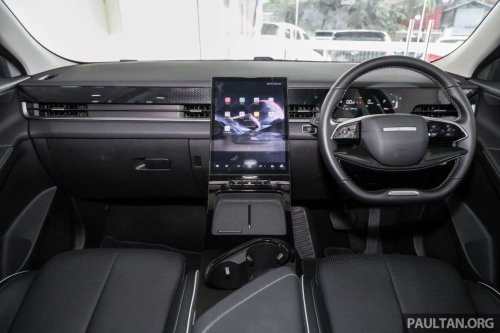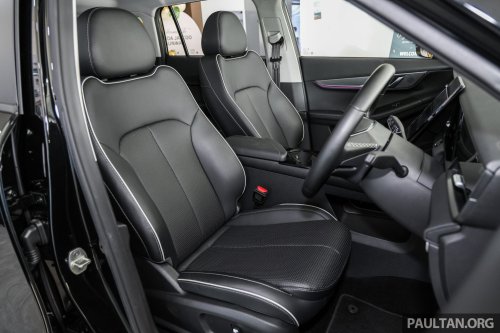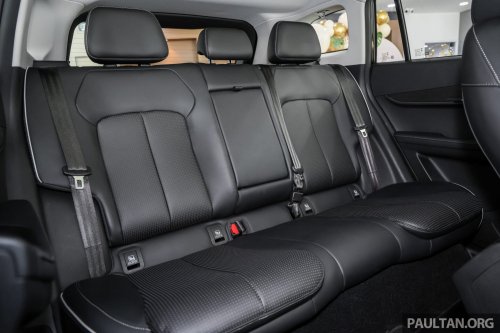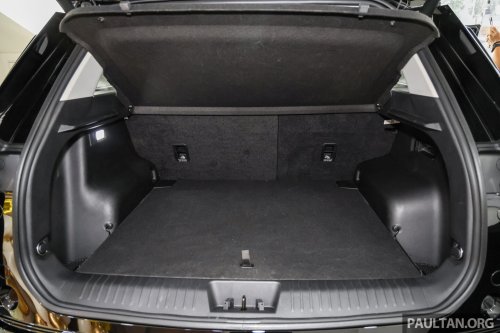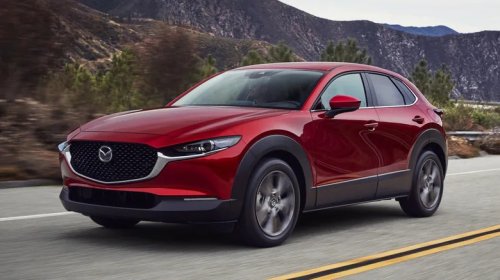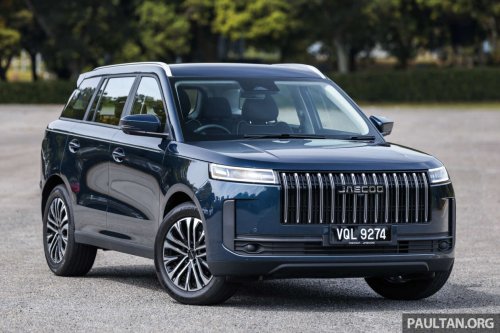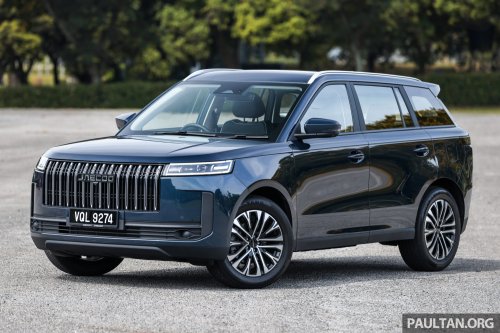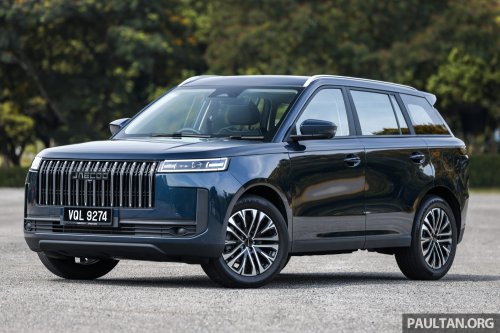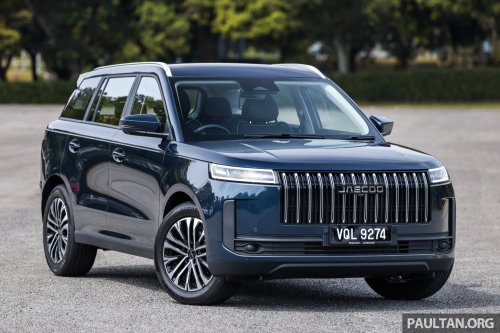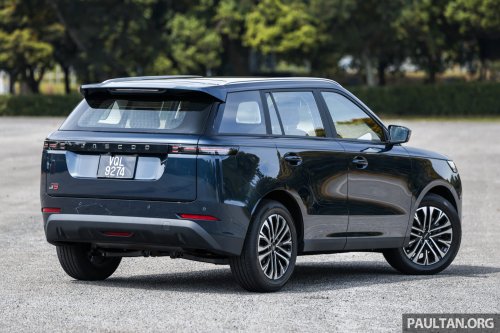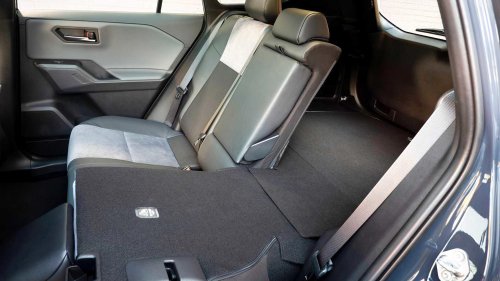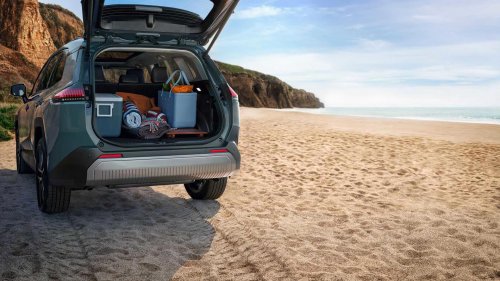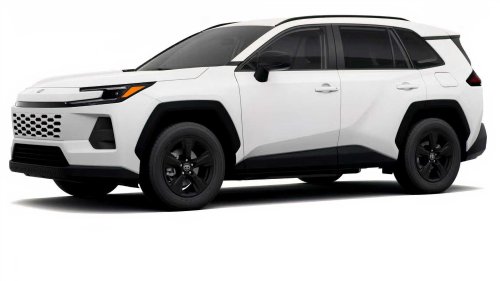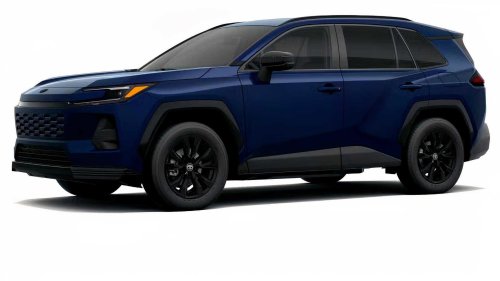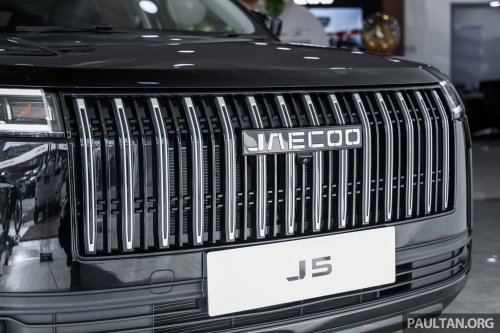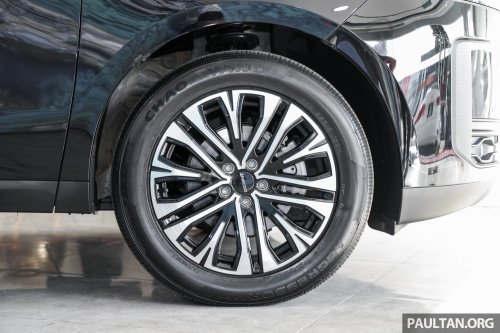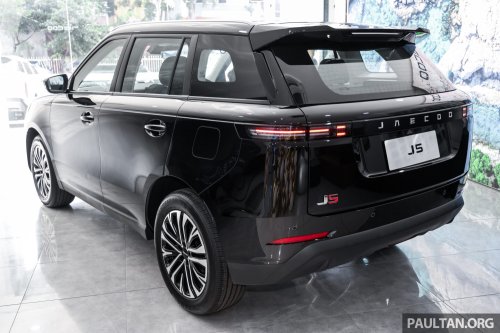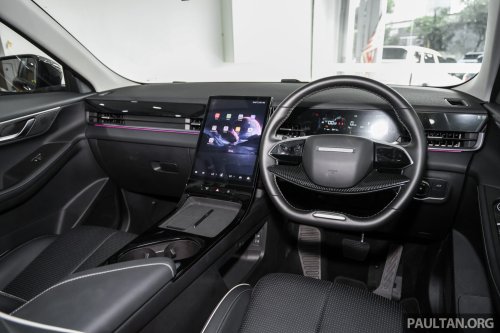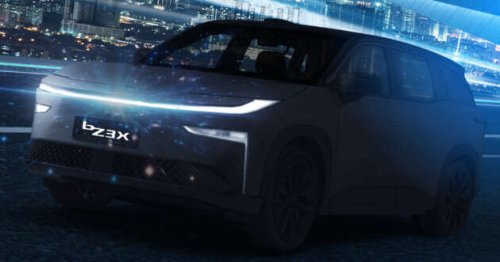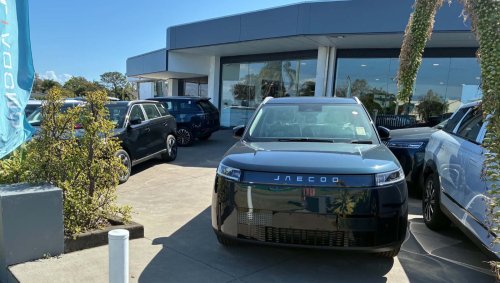
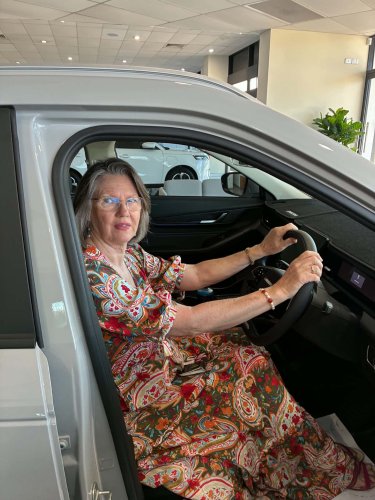
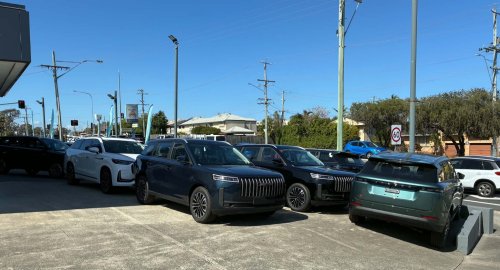
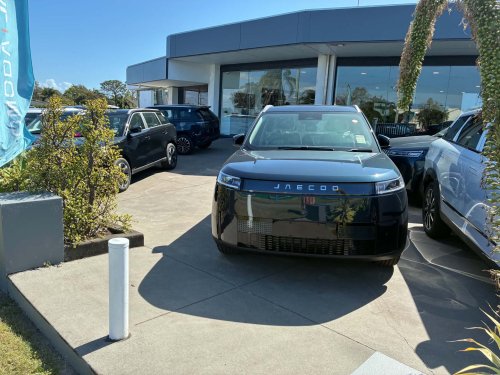
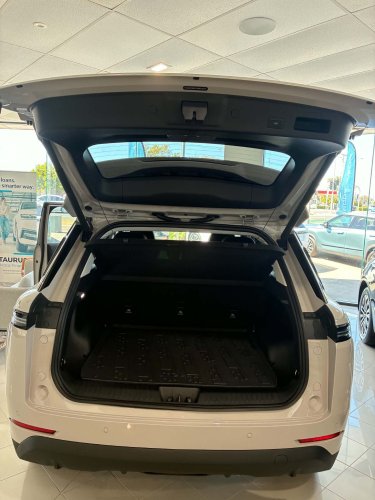
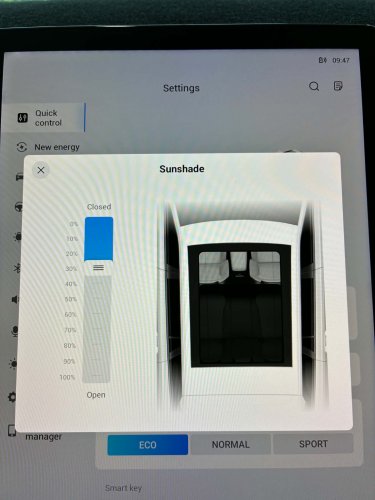
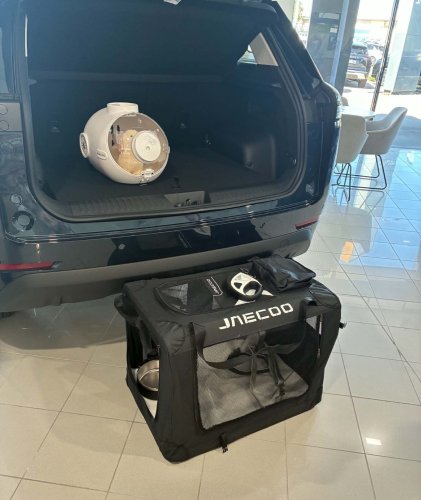
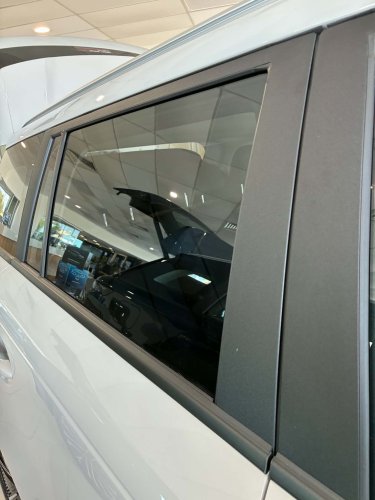
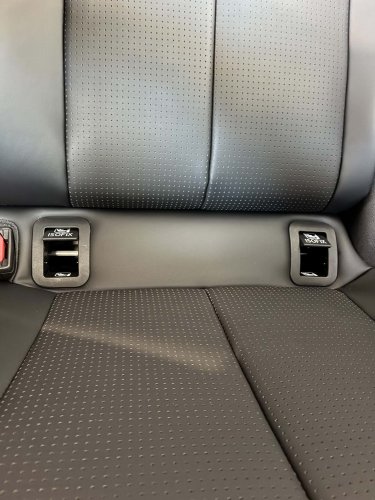
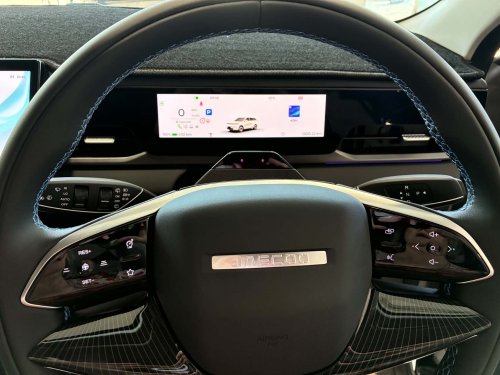
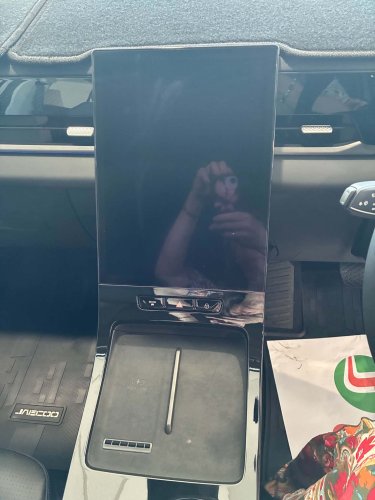

















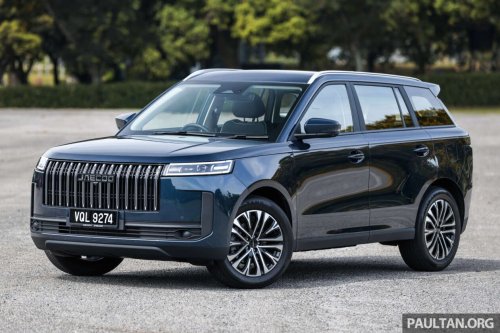
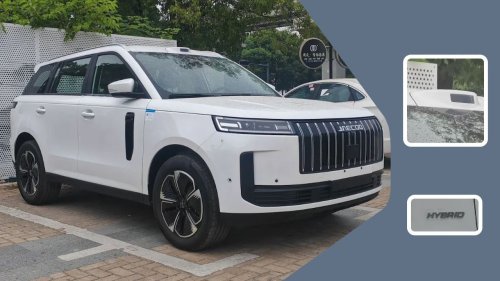
Qualms about Chinese cars seem to have vanished, as prices come down and technology goes up. Meet the Jaecoo J5. Majella in the J5. Photo courtesy Majella Waterworth. The Jaecoo J5 has been a consistent high seller since its debut only a few months ago. We first wrote about it here. As I complied my monthly update of Australia’s EV journey, I was impressed with the comparatively high sales of this newcomer. Starting at 215 units sold in January and steadily increasing to 1,672 in August, making a year-to-date total of 8,910, the Jaecoo J5 is a success by any measure and sits at number 5 in the YTD top ten. A flock of Jaecoos — no shortage of stock here. Photo courtesy Majella Waterworth. We finally managed to find time to go and check out this wunderkind for ourselves. But, first some background: Jaecoo is a sub brand of Chery, itself a new player to the industry. Founded in 1997, it is currently the fifth largest automobile manufacturer group in China, with 2,806,393 vehicles sold in 2025. Fifty two percent of its vehicles are exported. Chery had a chequered start in Australia, with some poor-quality vehicles in its initial line up. All that is in the past, as the sales figures show. In Australia, Chery already has multiple brands, notably Omoda and Jaecoo, and is set to launch its Lepas brand in the near future. In China, Chery produces Land Rover and Jaguar vehicles. The brand generates over $40 billion a year in revenue. This is no small player and is not likely to disappear. So, yesterday morning we sat down with the sales manager and one of his consultants to ask questions about the Jaecoo J5 and the reasons for its phenomenal success. I would like to thank Norris Motor Group and its staff for their generous gifts of time and information. While we talked, another sales consultant took two young couples for test drives. Interest appeared to be constant. The solid front betrays its BEV nature. Photo courtesy Majella Waterworth. We were told that 80% of the 50 vehicles a month sold at this one dealership were Jaecoo J5 full BEVs. Jaecoo also markets a super hybrid PHEV and an HEV version of the vehicle. Our particular consultant delivered 12 vehicles last month, 10 of which were BEV Jaecoo J5. He clarified that the car arrived in Australia after the US–Iran war started. It’s so hard to quantify any effect that Trump’s actions might have had on sales, though. Plenty good room in the Jaecoo boot. Makes up for the small frunk. Photo courtesy Majella Waterworth. I asked him why people were drawn to the Jaecoo. “Incredible value for money; 8 years warranty; 8 years roadside assist; 8 years capped servicing.” When I asked if he enquired what people were cross shopping, he replied that he doesn’t criticise other brands, so he doesn’t ask, though he has worked for two other dealerships before. Servicing costs in alternate years were AU$155 and AU$225, a massive difference to the costs charged for servicing a petrol or diesel vehicle — between AU$350 to AU$800. He believes people are moving to electric vehicles because of fuel costs. Most of his customers already have solar and are looking at a vehicle which will handle the trips driving around the Redcliffe peninsula. With 400 km of range from the 60 kWh LFP battery, that’s more than enough. And for the inner hoon, the car will go from zero to 100 km/hour in about 8 seconds. He still believes that a hybrid PHEV is better for longer trips. Perhaps the Jaecoo J7 Super Hybrid with 100 km of electric only range. Yes, we did mention that we had driven our Tesla to Winton. He was surprised. What about charging? The Jaecoo J5 comes with a 5 metre granny charger which can be plugged into any wall socket. Clients can also choose to purchase a Jaecoo wall charger and also a V2L adaptor. He tells his customers about various charging apps, like PlugShare and Chargefox. This was a refreshing change, as in the past we have been the ones to educate salespeople about available apps. Asked about the reactions of people new to the world of EVs, he told us stories of how amazed his customers were about the available tech. As to be expected, there were comments about the quiet acceleration and the regen braking. He advises people to start on the lowest regen setting, and as they get accustomed to it, to try the higher levels. He has had some people say that they will never use it. “Over time, they get used to it.” He finds this when they return the car for the complimentary 1,000 service check. “We love it,” they now say. Updates are uploaded when the car is in for service — every 20,000 km or twelve months. The Jaecoo can connect to Apple CarPlay or Android Auto. It comes with heated and cooling seats, a wireless charging dock for your phone, and a 360-degree camera. The Jaecoo J5 has a sunshade under the glass roof. This can be opened (by voice command no less) to a certain percentage, depending on the needs of the driver. It would be great to have this on our Tesla. Sunshade controls. Photo courtesy Majella Waterworth. Majella really appreciated that the seats are both pet and grandchildren friendly (there is a difference?) for spills and odours. “A seat surface that feels smooth, resists scratching, and has been officially certified as Pet-Friendly by TÜV SÜD.” And it even has baby anchors for the great grandchildren (perish the thought). Sadly, it doesn’t come in red. We also found the back seat a little tight — fine for the kiddly winkles, maybe not for big Aussie adults. On the outside of the car, sections that were expected to be touched were matte, so they don’t show fingerprints. Pet-friendly Jaecoo. Photo courtesy Majella Waterworth.Easy-clean matte finish. No fingerprints here. Photo courtesy Majella Waterworth.Jaecoo J5 easily accessible baby anchors. Photo courtesy Majella Waterworth. The Jaecoo features a 13.2-inch portrait-oriented central touchscreen, complemented by a separate 8.8-inch digital instrument cluster behind the steering wheel. Majella commented on the positioning of the display screen and how convenient it was. Like most modern cars, the J5 does not come with a spare tyre. The car comes fitted with Continentals — there is no need for special EV tyres. Screen behind the steering wheel. Photo courtesy Majella Waterworth.Main screen. Photo courtesy Majella Waterworth. Just after COVID, Australians were asking “Why should I buy a Chinese car?” All that reluctance seems to have vanished when countered with value-for-money products. A quick Google comparison brings up similarly sized petrol cars: Kia Seltos (AU$31,250), Mazda CX-30 (AU$34,360), and Nissan Qashqai (AU$49,116). So, Jaecoo is well on its way to price parity. Most of the cars presented as trade-ins have been SUVs, the sales manager tells me. “However we do get some utes as well as diesels, as people are trying to get out of those models.” Can’t blame them with the price of diesel heading towards AU$3 a litre. For those making the switch to electric, there is more and more choice, and the future is bright.