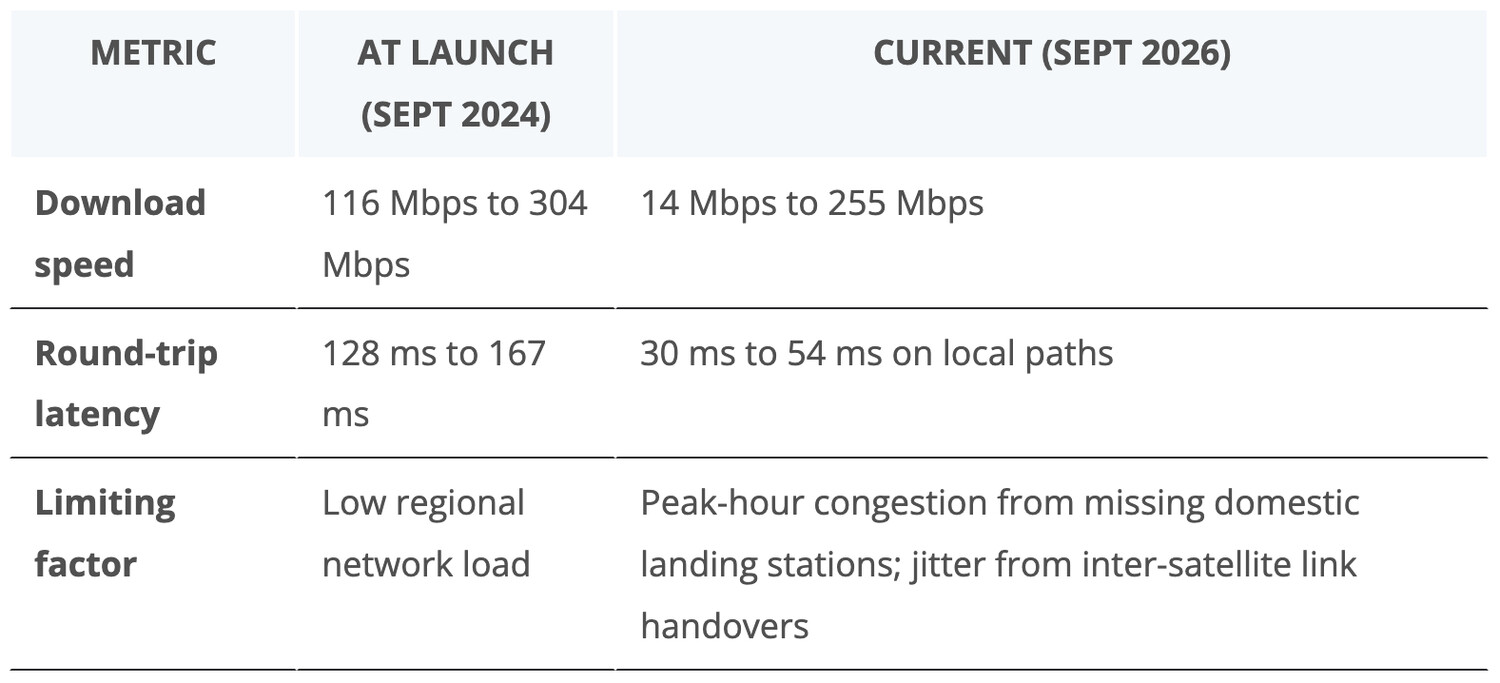
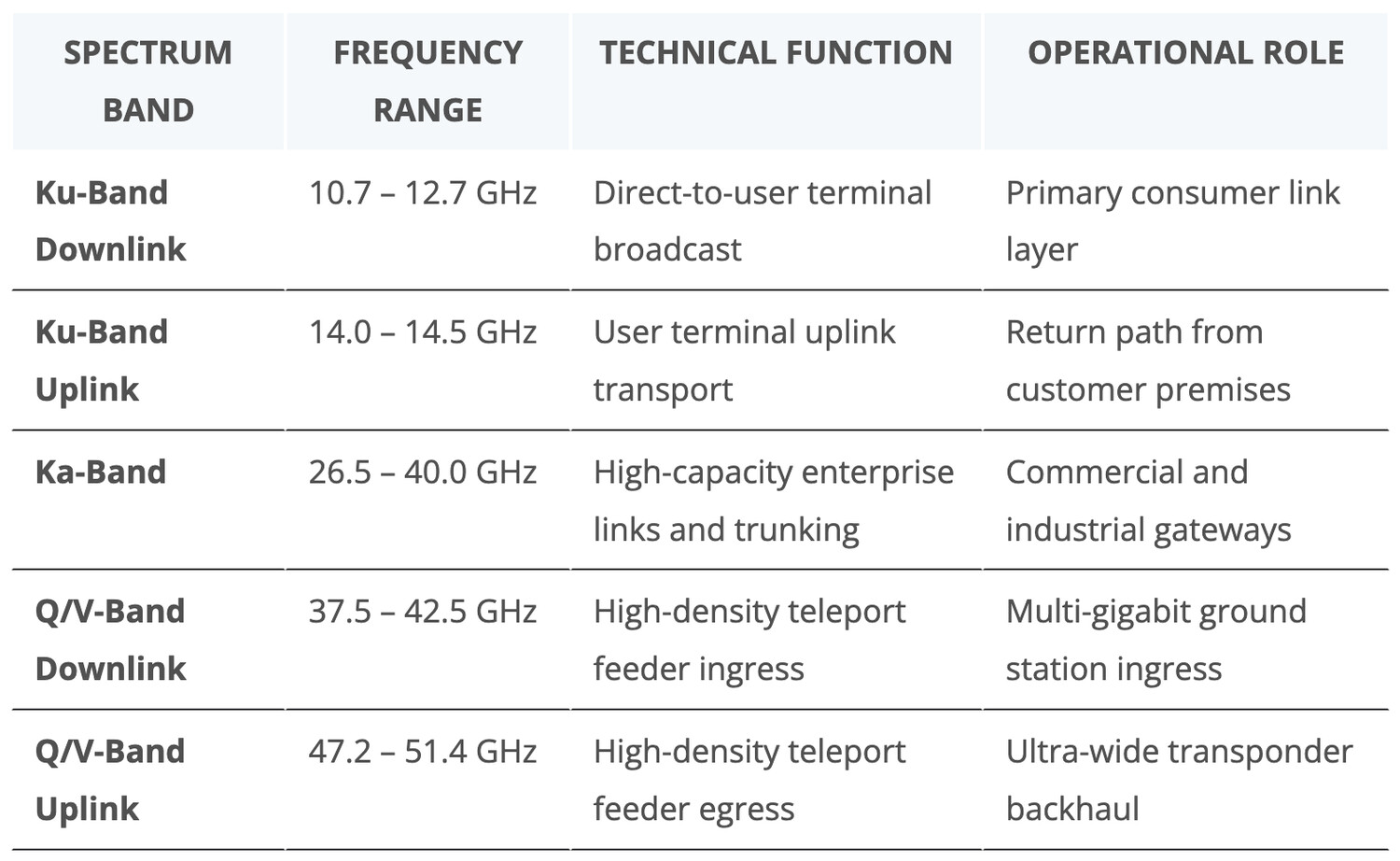
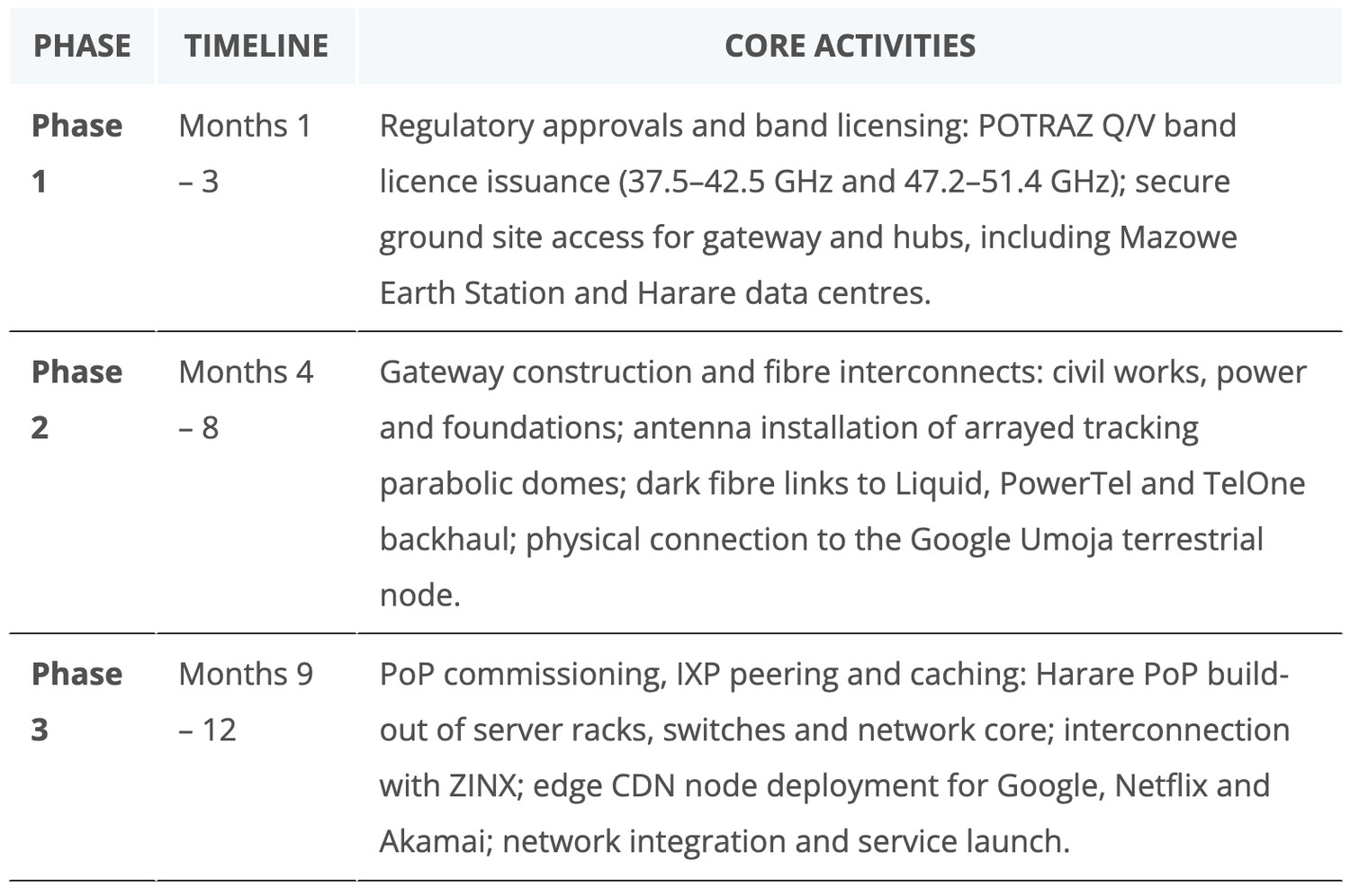
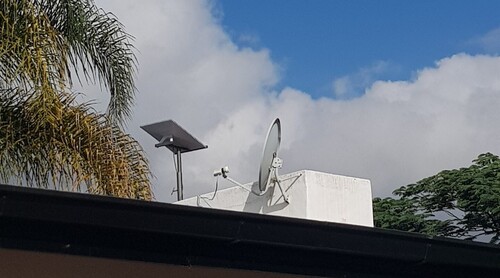
Conceptualising a twelve-month roadmap for domestic gateway teleports, Q/V band licensing and a Harare Point of Presence. By Willard Shoko The Satellite Evolution: From Mazowe to LEO Constellations Zimbabwe’s satellite telecommunications journey began following an official state visit to Japan, which led directly to the establishment of the country’s primary satellite hub at Mazowe in 1985. The Mazowe Earth Station served as the nation’s sole gateway to international telecommunications networks via Geostationary Earth Orbit (GEO) links. As demands for enterprise and consumer bandwidth grew, Very Small Aperture Terminal (VSAT) technology became the next operational milestone. Early commercial implementations relied on a single VSAT terminal to handle the entire international bandwidth load for Data Control Systems, the entity that eventually evolved into Liquid Intelligent Technologies, delivering a 1 Mbps aggregate trunk connection. Over time, individual domestic and enterprise users began consuming far more bandwidth than the total national capacity available during the early satellite era. The arrival of Low Earth Orbit (LEO) constellations like Starlink represents a shift: a modern enterprise dish or user terminal delivers throughput exceeding Zimbabwe’s total national bandwidth capacity from 1999 by a factor of 100. Figure 1. Zimbabwe’s satellite communications journey, 1985 to the LEO era. Historical Performance Metrics & Latency Trends Starlink officially introduced commercial satellite service in Zimbabwe on 6 September 2024. Initial performance benchmarks reflected low regional network load. By September 2026, substantial regional subscriber adoption created bandwidth throttling during peak hours, while infrastructure optimisations yielded mixed latency performance. Deploying local ground station teleports and a domestic Point of Presence (PoP) in Harare will resolve these bandwidth bottlenecks, stabilising speeds and maintaining sub-20 ms domestic latencies. Technical Architecture & Spectrum Allocation To establish high-capacity feeder links between Low Earth Orbit constellations and terrestrial networks, high-frequency feeder allocations in the Q/V band are required alongside standard Ku and Ka bands. Q/V Band Engineering Advantages Ultra-wide channel widths. The Q/V bands offer continuous radio frequency allocation blocks, allowing arrayed tracking dishes to achieve capacities exceeding 100 Gbps per earth station cluster. Starlink V3 integration. Next-generation Starlink V3 satellites support over 1 Tbps of internal switching capacity per satellite with a 4 Tbps burst throughput reserve. Local Q/V band ground stations allow these satellites to offload data straight into domestic fibre networks rather than relying on inter-satellite laser link (ISL) chains. Spectrum Band Allocation National Fibre Infrastructure Synergy Matrix Connecting local Starlink teleports to a central Harare Point of Presence leverages Zimbabwe’s existing and ongoing terrestrial fibre builds. Figure 2. Signal path from the LEO constellation through the Harare PoP into national fibre. Liquid Intelligent Technologies fibre backbone. Operating over 26,000 km of fibre in Zimbabwe, Liquid provides the core long-haul terrestrial routing layer. Connecting Starlink’s Harare PoP directly into Liquid’s regional cross-border network ensures resilient transit across Southern Africa. PowerTel. Powertel and Paratus Zimbabwe formed an equal-investment PPP to build a high-capacity DWDM fiber backhaul network across Zimbabwe, starting with an active 800 Gbps link between Plumtree and Bulawayo. The agreement leverages Powertel’s powerline-based national fiber infrastructure and Paratus’ continental network to deliver up to 10 Tbps in cross-border bandwidth linking Zimbabwe, Botswana, and Zambia. TelOne. Ongoing backbone capacity expansions along cross-border transit links (such as Kazungula to Zambia/Botswana and Beitbridge to South Africa) driven by surging regional demand for 100G+ wavelengths and DFA. DFA) Zimbabwe constructed a 1,500 km open-access optical fiber backbone running along national railway servitudes from Beitbridge through Bulawayo, Harare, and Mutare. Built via an $18M+ partnership with BCS Group and Dandemutande, the network uses DWDM technology to deliver multi-gigabit transit capacity across the country. This infrastructure provides local ISPs and mobile operators with redundant, high-speed wholesale backhaul while improving cross-border links to South Africa, Botswana, Zambia, and Mozambique. Google Umoja cable system. Provides an overland terrestrial path from East Africa down through Southern Africa and across to global subsea landings. Linking the local Starlink PoP to the Umoja network establishes direct access to low-latency intercontinental cloud links. Capacity Resolution Mechanisms for Harare Localising content via edge CDNs. Housing Google, Meta, Netflix Open Connect, and Akamai caches inside the Harare PoP enables up to 70% of routinely requested bandwidth to be delivered locally over fibre, relieving satellite feeder load during peak usage windows. Zimbabwe Internet Exchange (ZINX) integration. Direct peering between the Starlink Harare PoP and ZINX ensures domestic IP traffic stays entirely inside the country, preserving international subsea link capacity. Global Benchmarks: Brazil and USA Case Study Brazil and the USA serve as an operational benchmark for deploying LEO satellite ground infrastructure across large geographic areas. Scale and reach. Telecommunications regulator Anatel granted SpaceX authorisation to utilise Ku, Ka, and Q/V frequency bands alongside more than 100 operational earth station gateways nationwide. Subscribers supported. Over 2,000,000 active subscribers were supported across the US. Takeaway for Zimbabwe. Combining clear Q/V-band licensing frameworks with fast-tracked gateway approvals allows LEO satellite deployments to deliver fast, stable internet service across rural and urban markets. Strategic Implementation Roadmap The deployment runs over twelve months across three phases, moving from regulatory clearance through physical gateway construction to PoP commissioning and service launch. Figure 3. Twelve-month landing station and PoP deployment roadmap. About the Author: Willard Shoko is an Independent Starlink Researcher and Network Consultant with over two decades of hands-on expertise in networking infrastructure and internet connectivity. Passionate about next-generation satellite technology, Willard is a key community contributor on X and Reddit, best known for his work mapping unofficial Starlink Ground Stations and Points of Presence (POPs). His technical insights have earned recognition and reposts directly from Elon Musk and Starlink. Today, he leverages his deep network architecture expertise to design and deploy tailored internet-based solutions across the educational and private sectors. (Independent consultant; not affiliated with Starlink.)