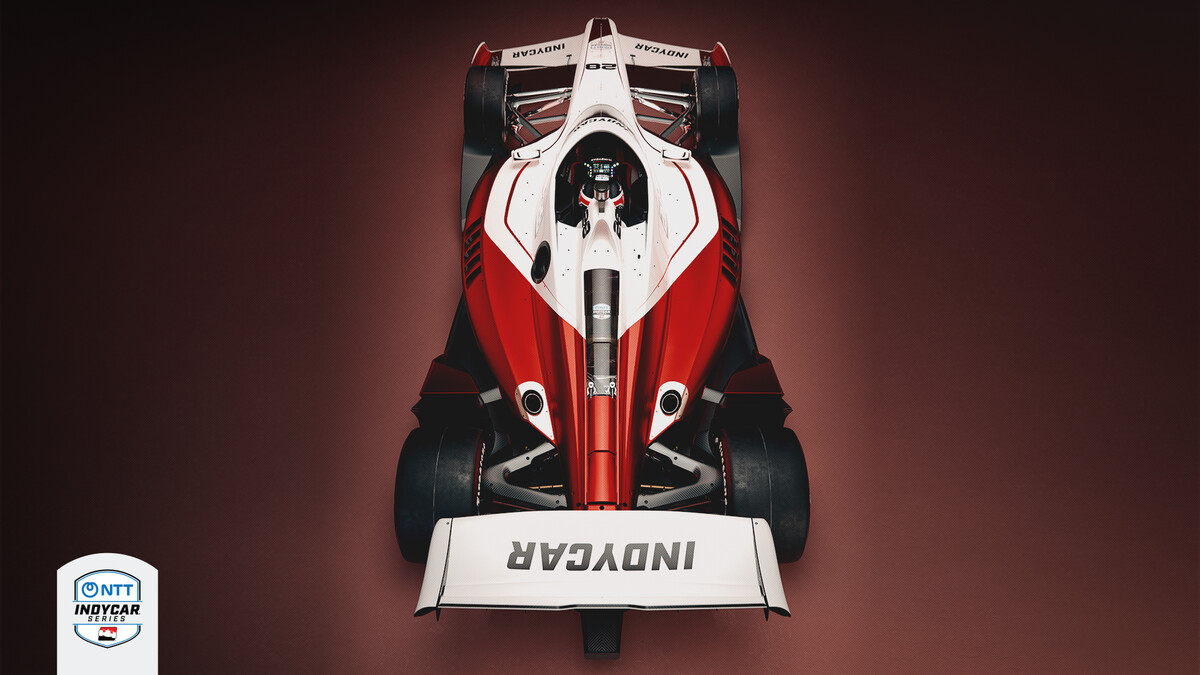
Emily Brown · 2 months ago@emilybrown73IndyCar unveils all-new race car for 2028 Liked by+57 othersPost commentRelated PostsToyota unveils one of world’s top AI vision engines at Japan test bed as race with China heats up 34 · Parker Campbell · 6 months agoPorsche unveils future Formula E racing car: the 975 RSE 11 · Ava Nelson · 6 months agoXpeng Unveils Second-Gen VLA, Claims Fivefold Edge in Race to L4 Autonomy 21 · Amélie Anderson · 6 months agoMotoGP 2026: Pertamina VR46 unveils racing colours 30 · Madeleine Macdonald · 9 months agoChip Ganassi Racing Signs IndyCar 3rd-Place Finisher Christian Lundgaard 30 · Samuel Bouchard · 25 days agoScott McLaughlin Breaks Two-Year Winless Streak with Win in IndyCar Finale 54 · Daniel Walker · 1 months agoIndyCar Saturday Halted Following Huge Porsche Sprint Crash in Zanardi Corkscrew 46 · Olivia Leblanc · 1 months agoAlex Palou Enters Rare Air With 5th IndyCar Title In 6 Years 57 · Matthew Gagnon · 1 months agoAlex Palou is a Five-Time IndyCar Champion 28 · Daniel Anderson · 1 months agoPato O’Ward Wins Two IndyCar Races in One Day, Sweeps Milwaukee Mile Doubleheader 38 · Olivia Lee · 1 months agoPato O’Ward Wins IndyCar’s Milwaukee Mile Race 2 While Leading Race 1 34 · Alexander King · 1 months agoThe Completion of IndyCar’s Rain-Delayed Race 1 of Milwaukee Mile Doubleheader Moved After Race 2 54 · Olivia Martin · 1 months agoKyle Kirkwood Wins Trump's Bizzaro Land IndyCar Race In D.C. 63 · Charlotte Bouchard · 2 months agoDavid Malukas Crashes Out of IndyCar’s Freedom 250, Collects Sting Ray Robb 14 · Victoria Harris · 2 months agoArrow McLaren on preparing for IndyCar Freedom 250 street race track: 'We've never seen it' 68 · Annabelle Lavoie · 2 months agoHere Are All The Ways You Would Fix IndyCar If You Had The Power 87 · Charlotte Wilson · 2 months agoMarcus Ericsson Wins Inaugural IndyCar Markham Race with Late Charge Past Romain Grosjean 77 · Noah Wright · 2 months agoIndyCar Drivers Experience Biggest Change From Simulator to Track at Markham’s Hairpin Turn 87 · Gabriel Côté · 2 months agoYou're In Charge Of IndyCar For A Day, How Do You Beat F1 At Their Own Game? 71 · Logan Roy · 2 months agoIndyCar’s Markham Street Course Receives FIA License After Delays 84 · Daniel Gagnon · 2 months ago



 +57 others