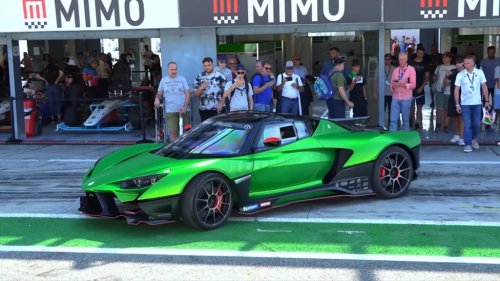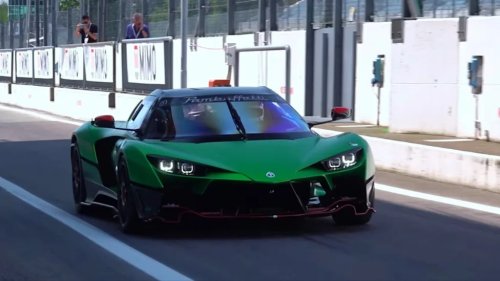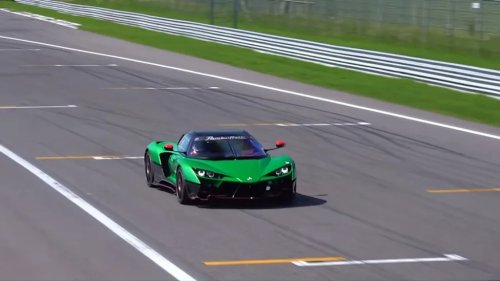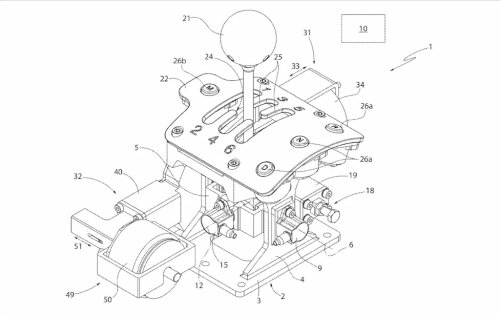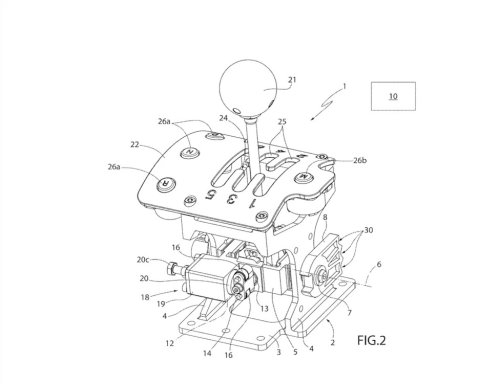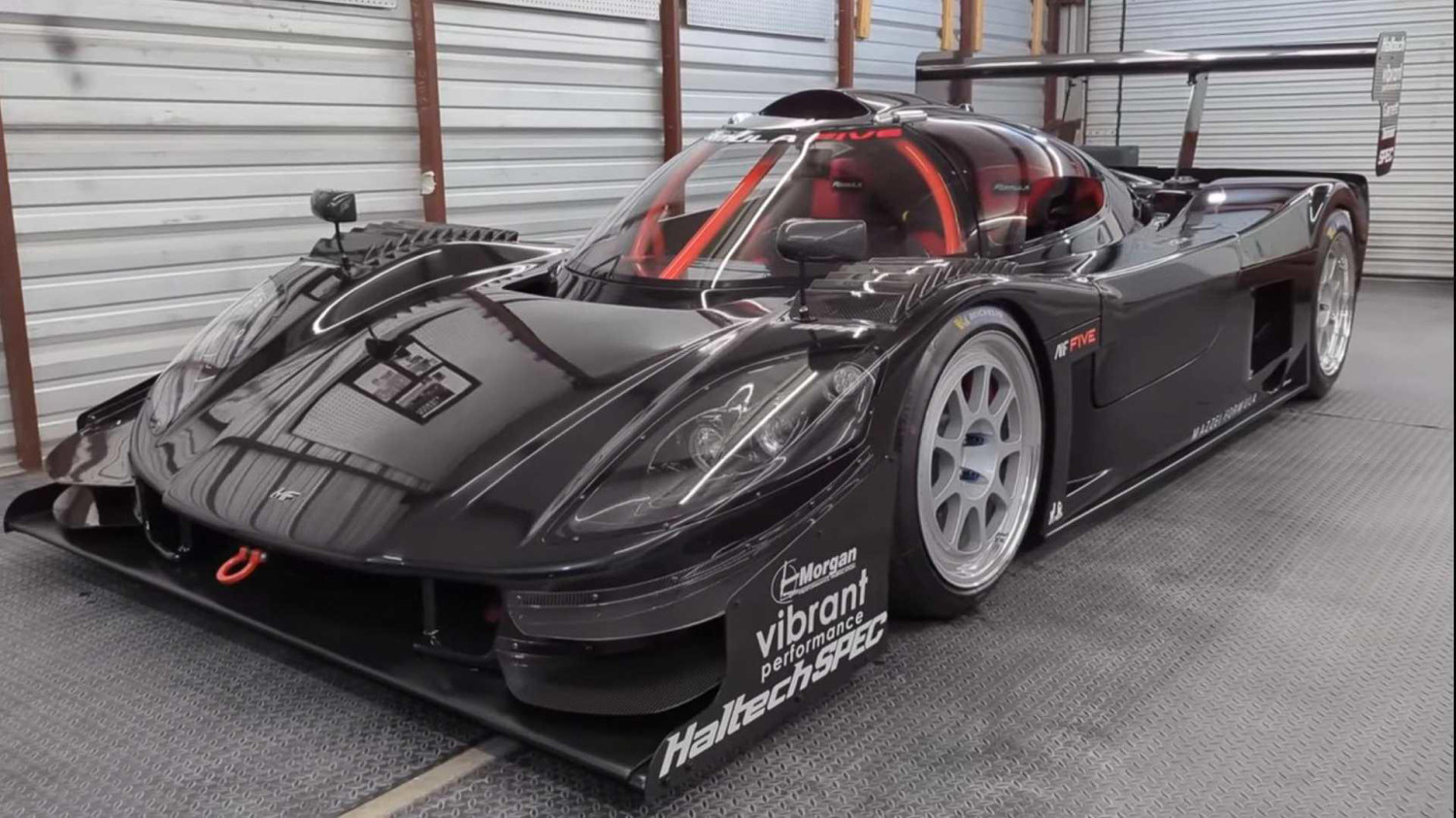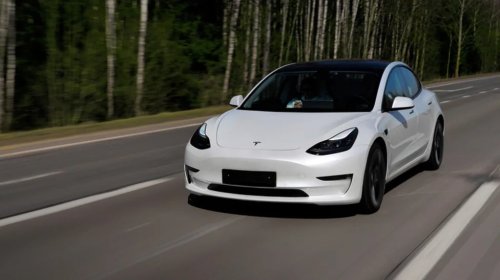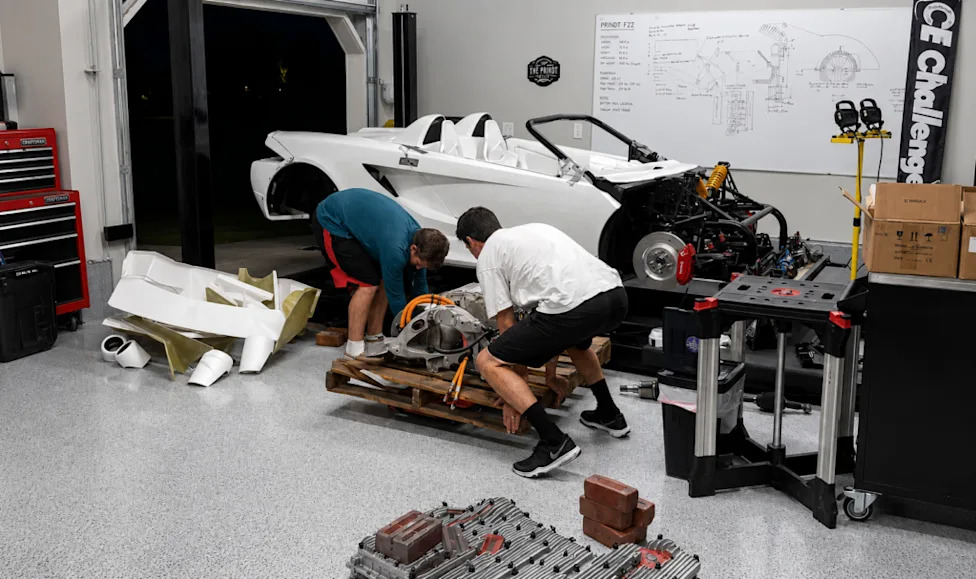
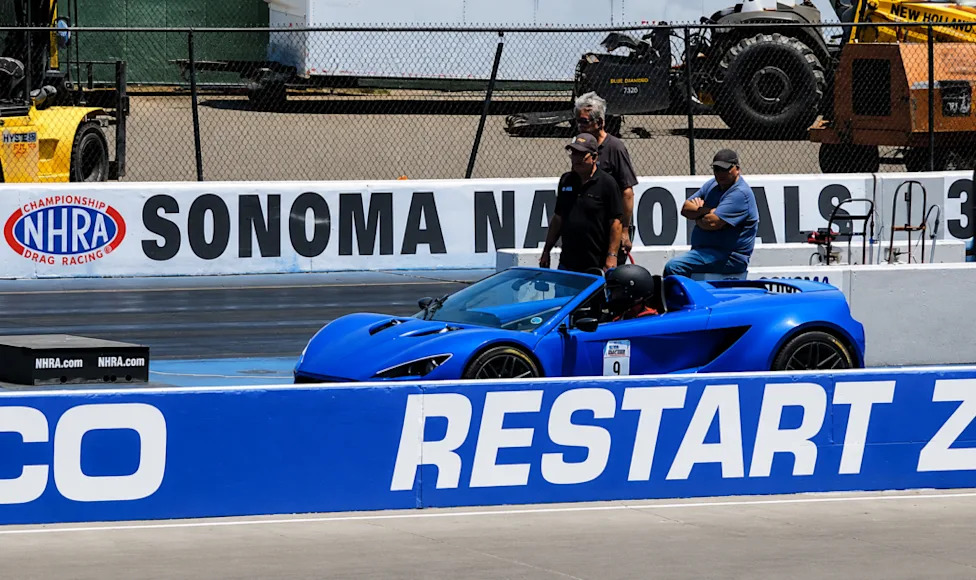


















Building a custom car from scratch is a daunting, wallet-draining task even for seasoned mechanics. But YouTuber Jeremy Snow, the creator behind the Electric Supercar channel, took the DIY ethos to an entirely different level.With absolutely zero prior experience in high-voltage wiring, welding, or fiberglass molding, he spent three painstaking years building a fully functional, 600-horsepower electric supercar in his home garage in Salt Lake City, Utah. If you've ever used a lack of experience as an excuse not to tackle a project car, prepare to feel incredibly lazy.A Crash Course in Garage EngineeringThe foundation of the build is a K1 Attack kit car, a platform that typically accepts conventional internal combustion engines. But Jeremy quickly found himself in the deep end.AdvertisementAdvertisement"I don't know much. The most adventurous automotive thing I had done before this was change my own spark plugs," he explained. To make matters worse, the kit didn't come with the step-by-step guidance he expected. "I later learned there were no instructions, so I had to figure most things out on my own and with the help of YouTube".What followed was a crash course in automotive manufacturing. He taught himself how to rivet, weld, solder, and paint on the fly. The 12-volt wiring harness was built entirely from scratch, and after frying a few circuits early on, he learned the hard way that "fuses are important".The Heart of a Tesla Model SRather than sticking to a traditional gas engine, Snow took a massive leap and sourced a rear drive unit from a Tesla Model S Performance. Fitting an EV powertrain into a chassis meant for a gas engine required heavy modification. He modeled parts in CAD, chopped and welded the tubular chassis to fit the Tesla subframe, and fabricated a custom battery box to safely house the high-voltage cells.Because the Tesla drive unit has such a wide track width, the K1 Attack's factory fiberglass body didn't fit. He had to learn fiberglass fabrication to extend the rear fenders by three to four inches on each side, ensuring the car kept its low, exotic supercar stance.AdvertisementAdvertisementThe interior is just as custom. He built a bespoke center console, integrated a gear selector salvaged from a Honda Odyssey minivan, and programmed his own digital dash display.Through the endless sanding, wiring, and panel gap adjustments, the build became a family affair. He regularly had his kids helping with the assembly, noting, "I really do have the best helpers".After laying down a vibrant blue paint job in a makeshift garage booth and successfully registering the car for public roads, it was time to test the engineering. He took the car to Sonoma Raceway, putting it through its paces on the autocross course and the drag strip. The instant torque of the Model S Performance motor turned the kit car into a rocket."Pretty awesome to beat some Teslas on the drag strip," Jeremy said after taking home an award at the track.AdvertisementAdvertisementThe three-year journey culminated with the car being placed in a museum, an incredible achievement for a guy who started out just knowing how to swap spark plugs. His advice to anyone on the fence about starting an ambitious project car is simple: "There is no better way to get something done than to just go do it"