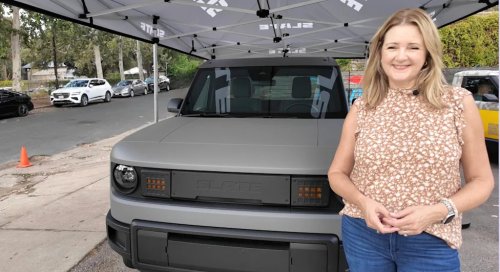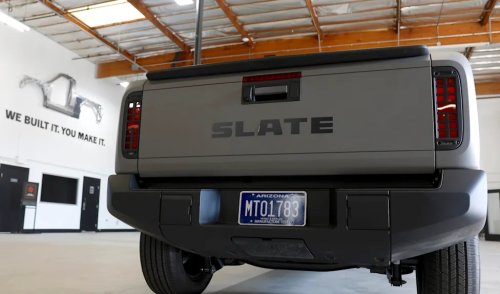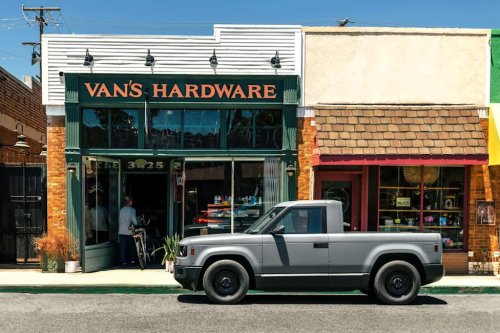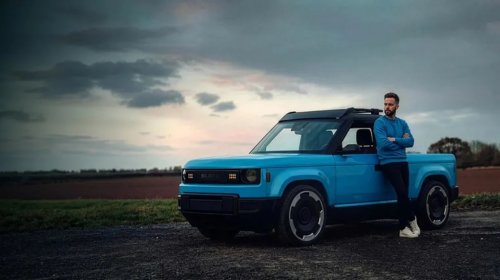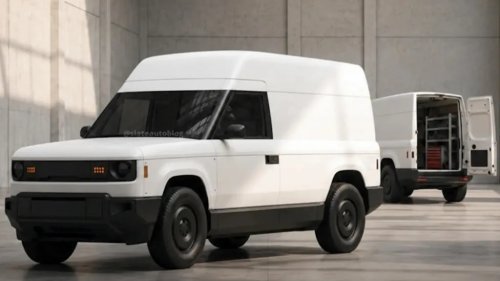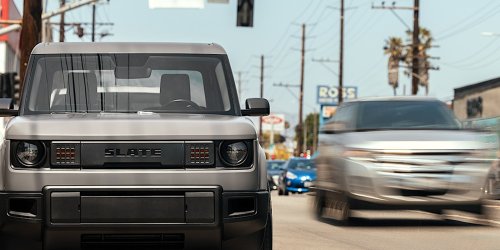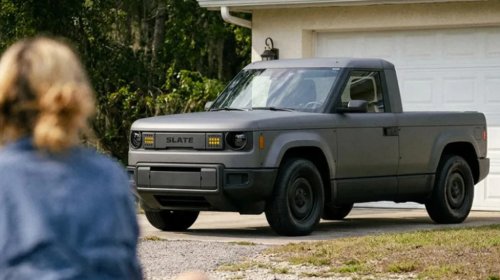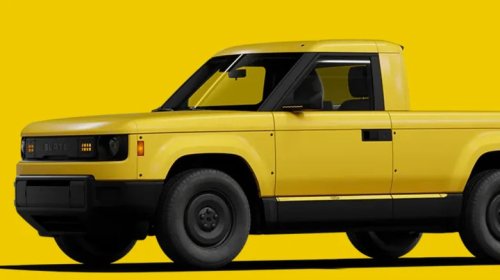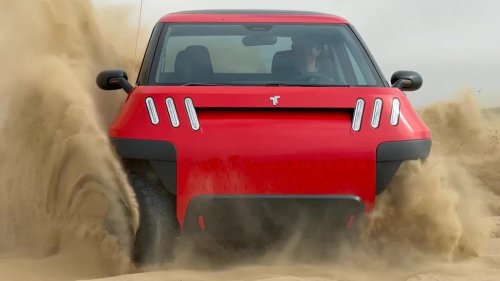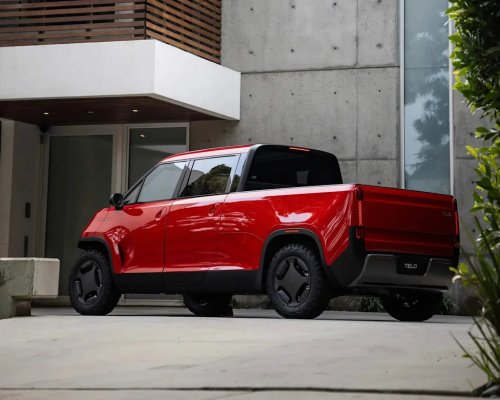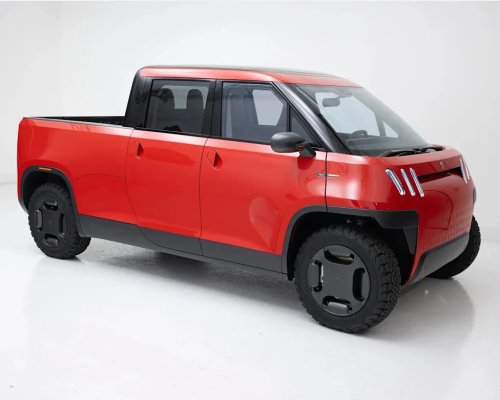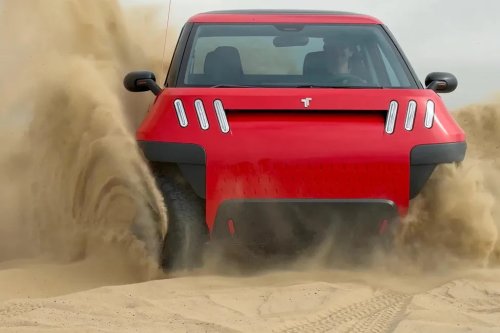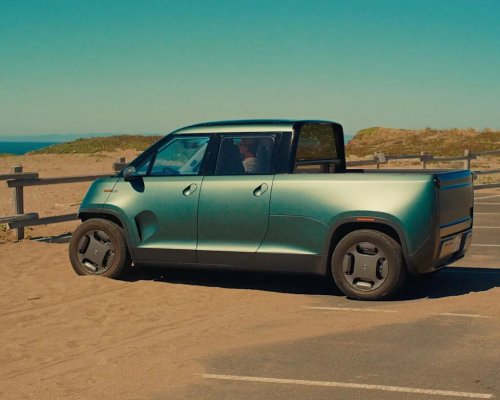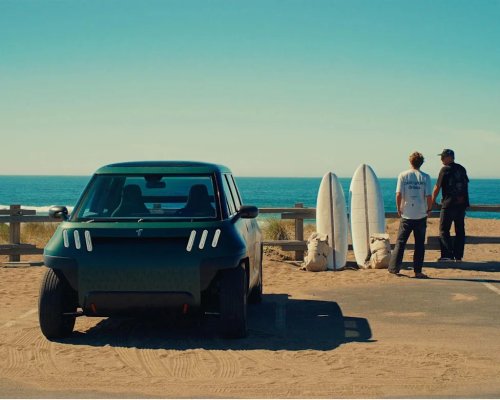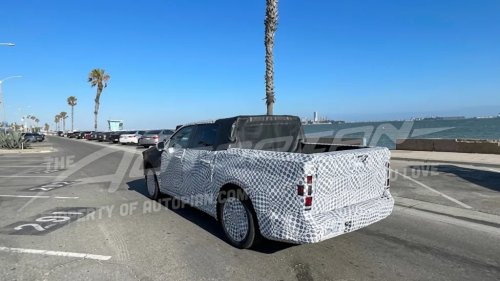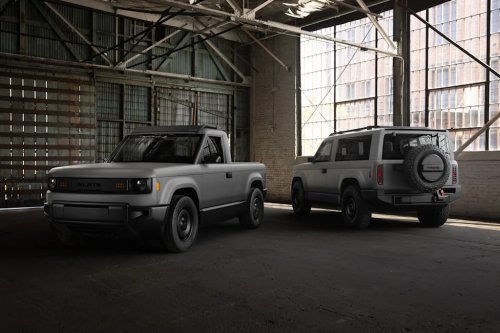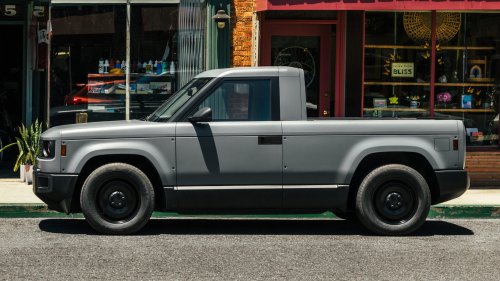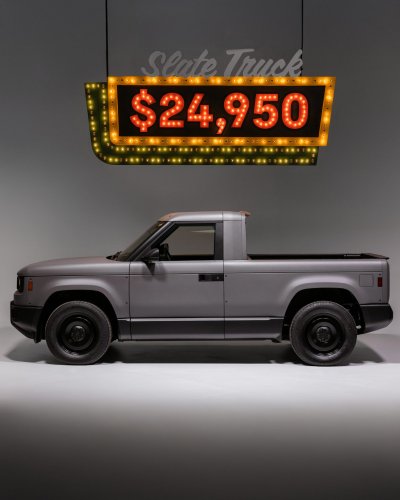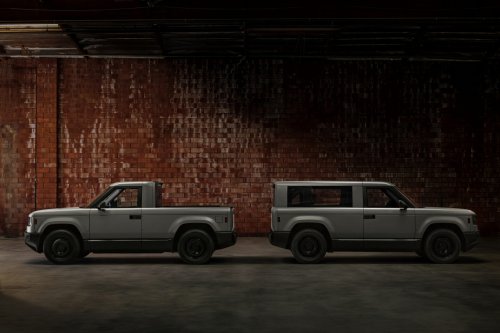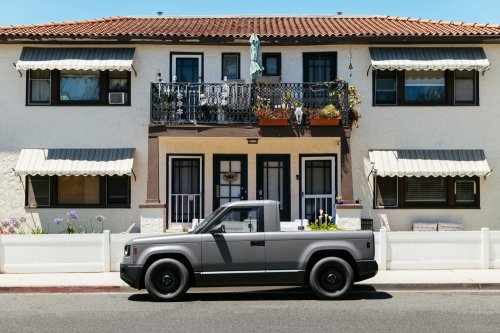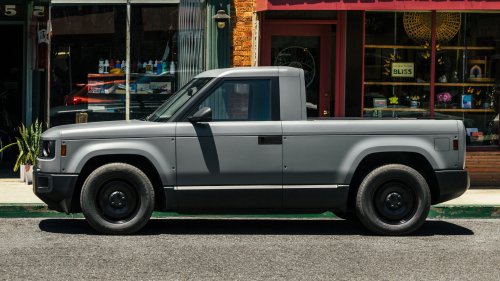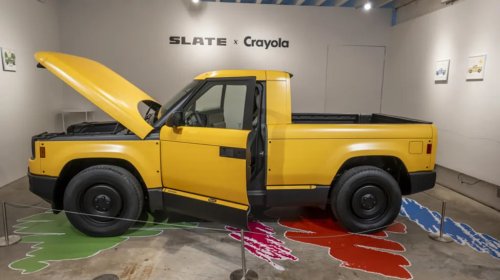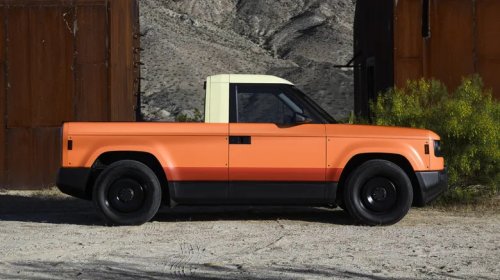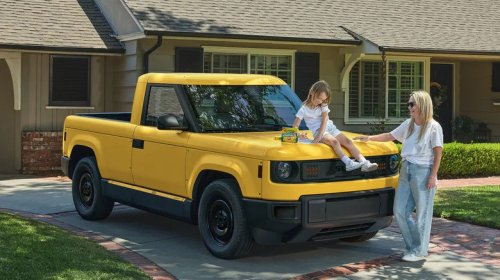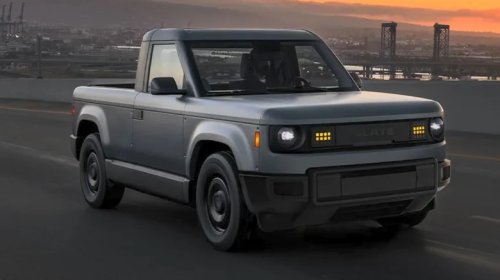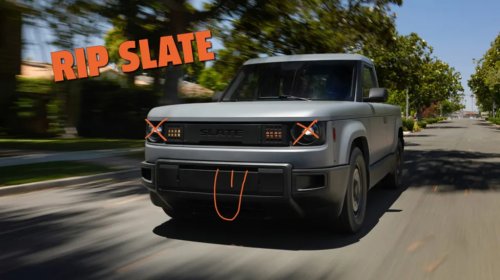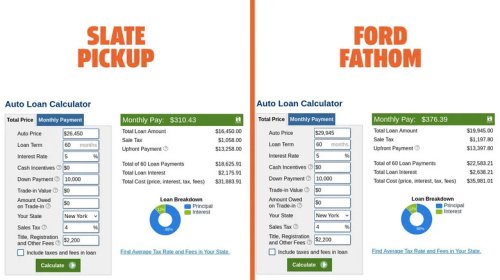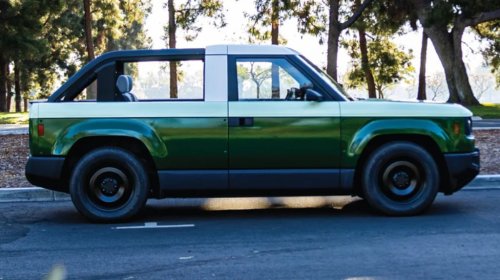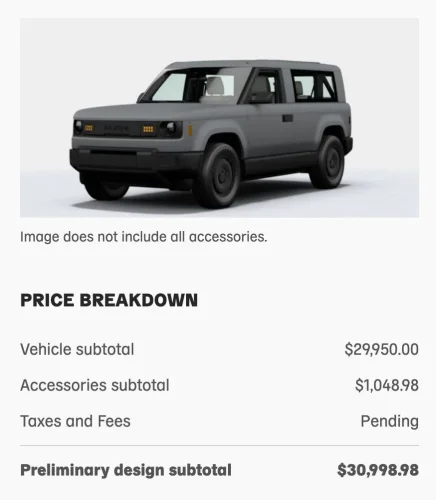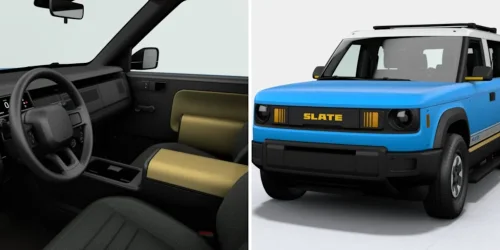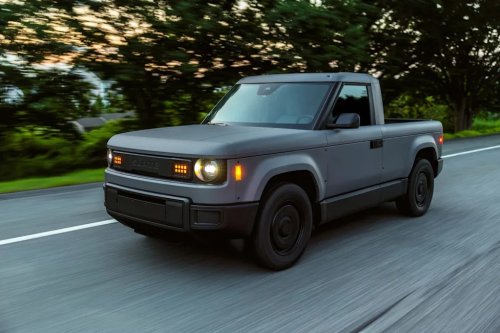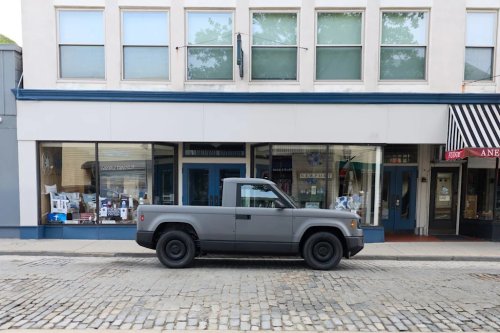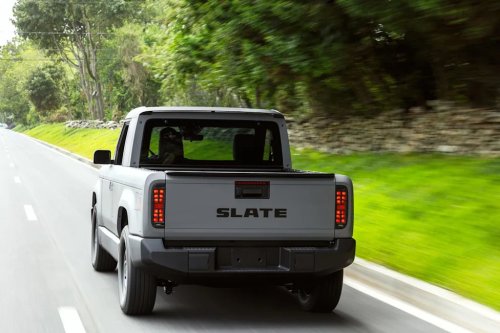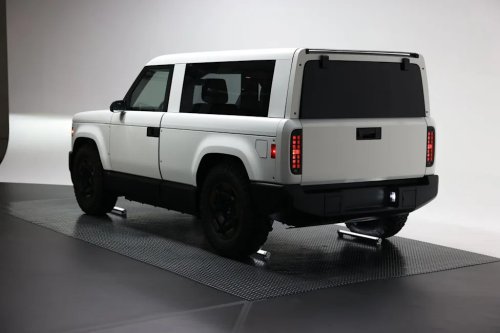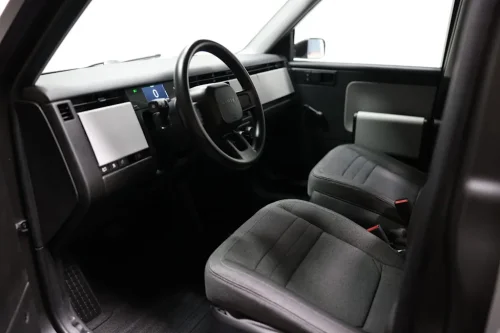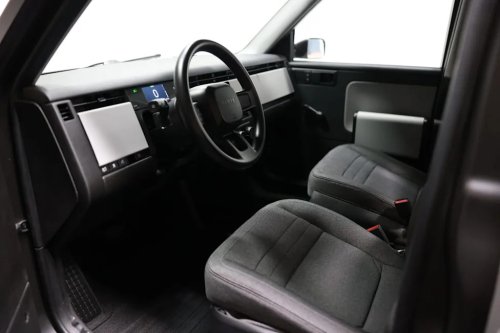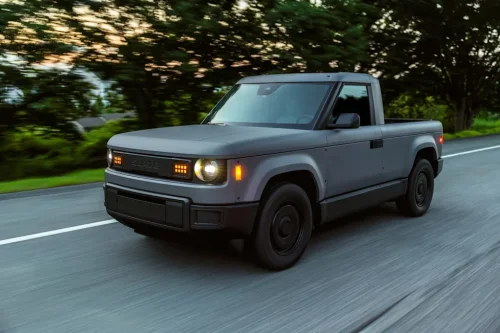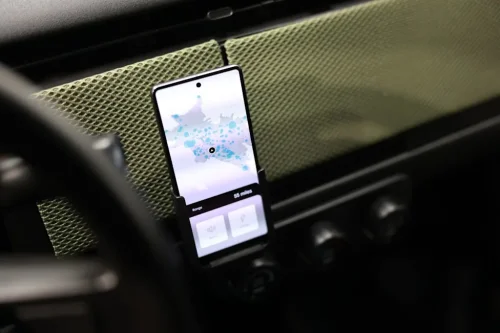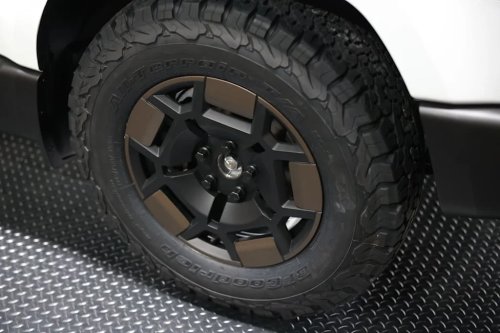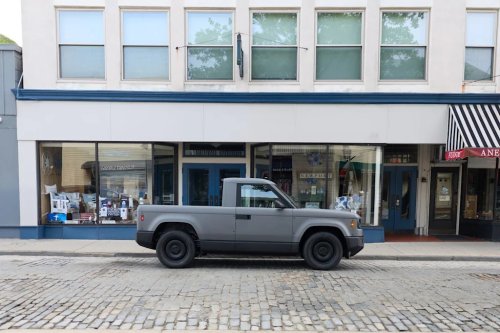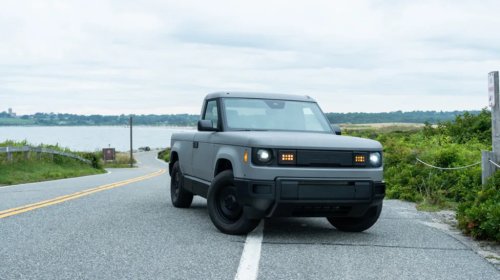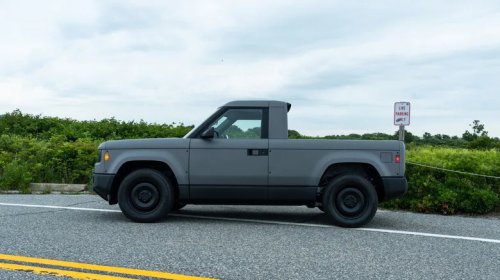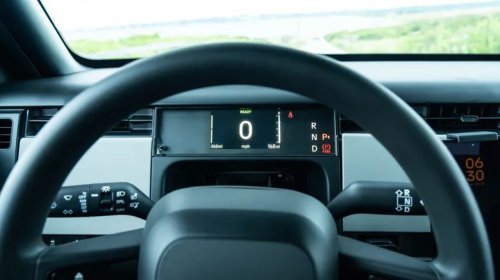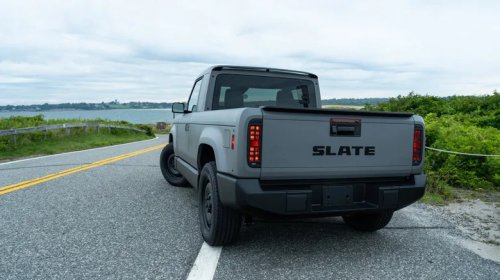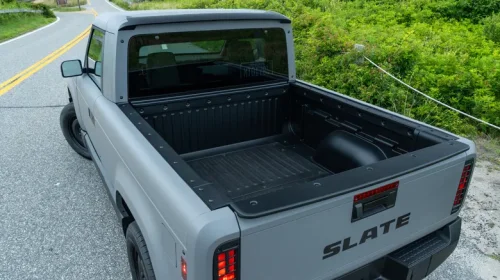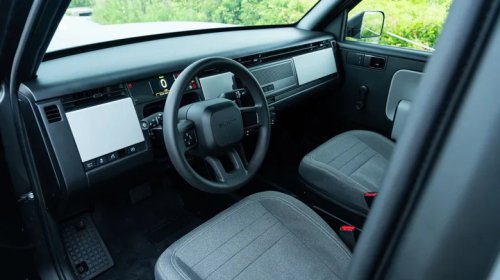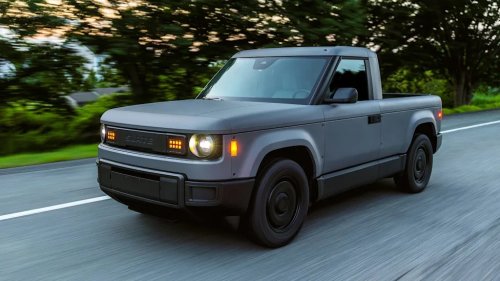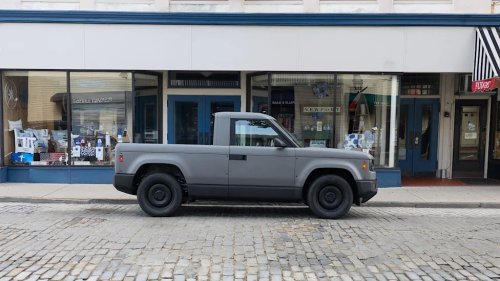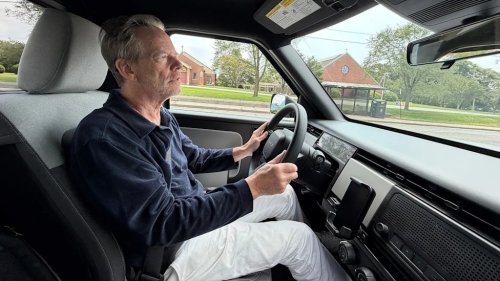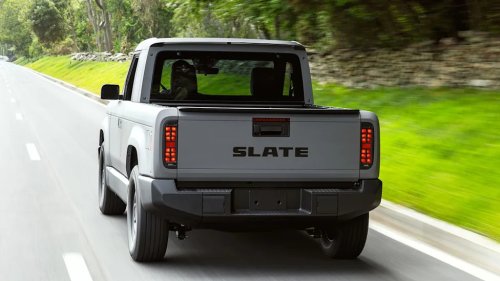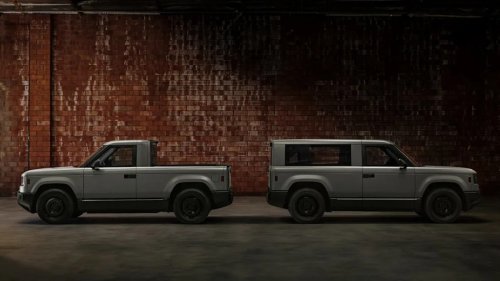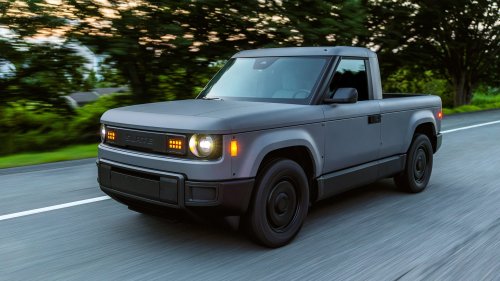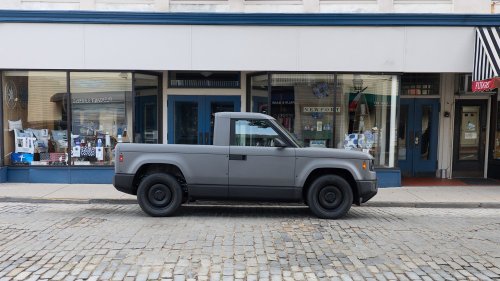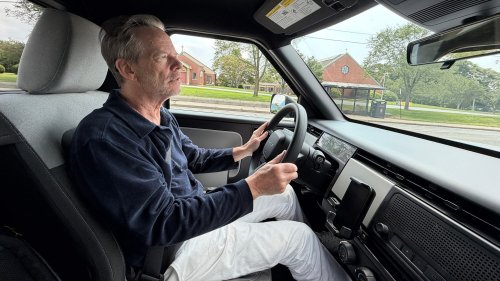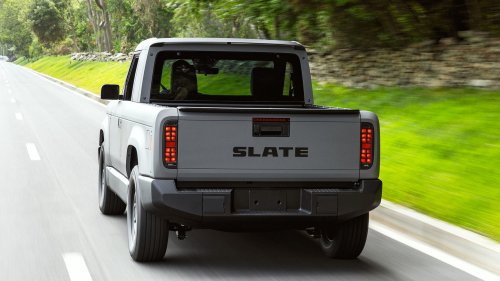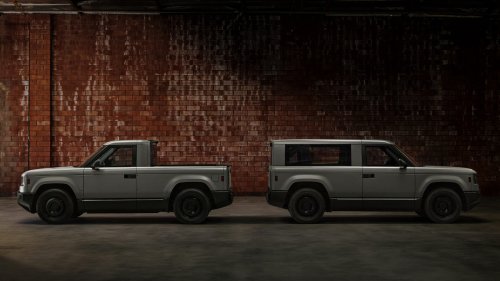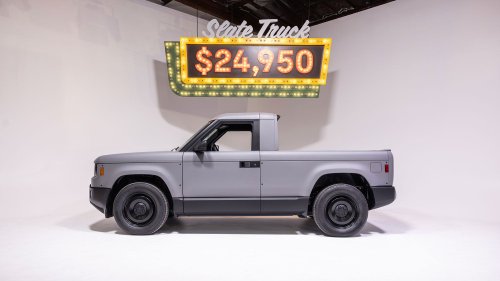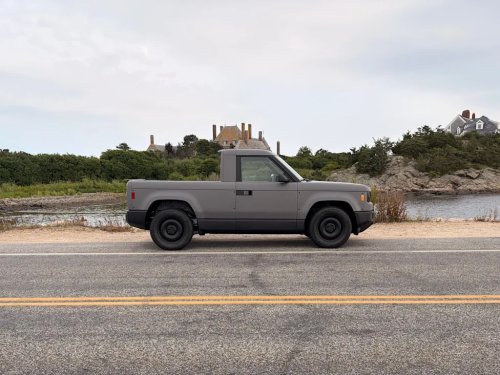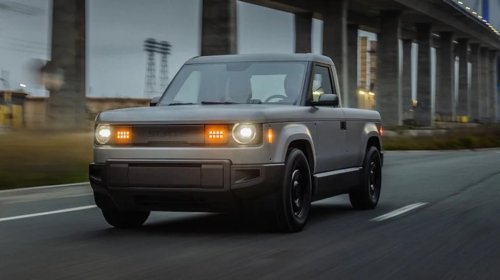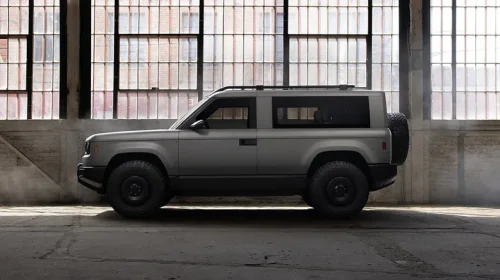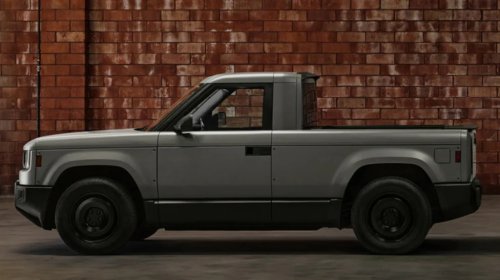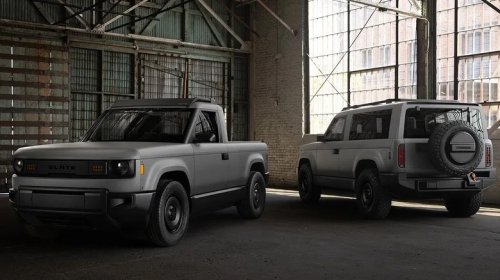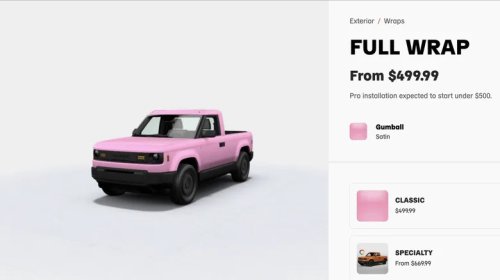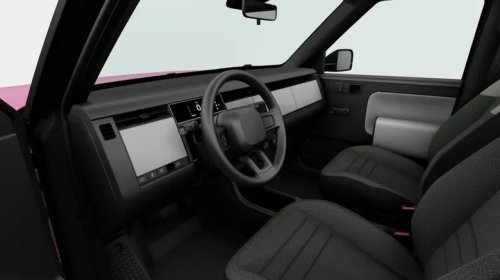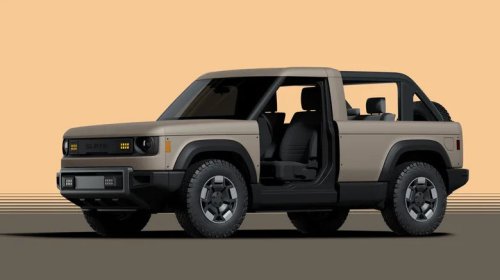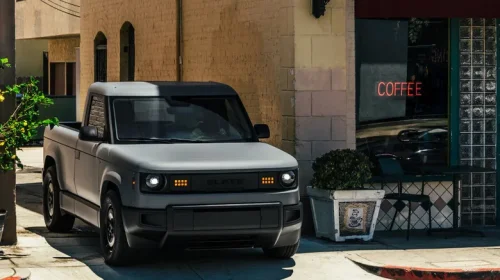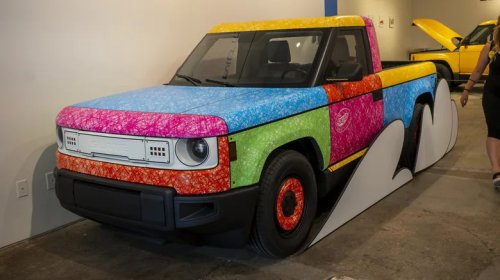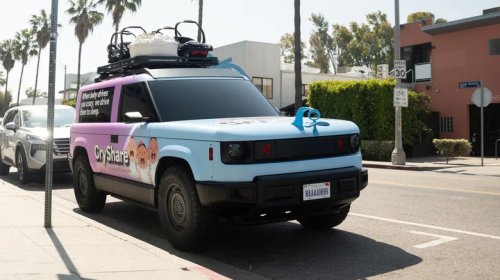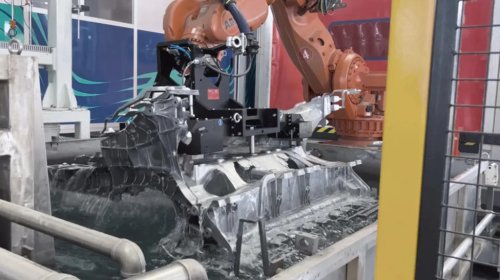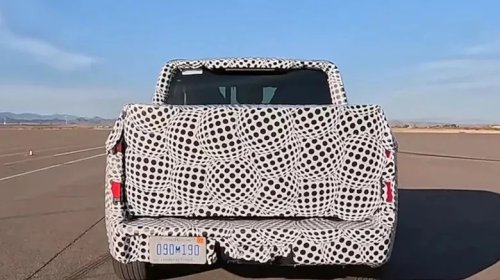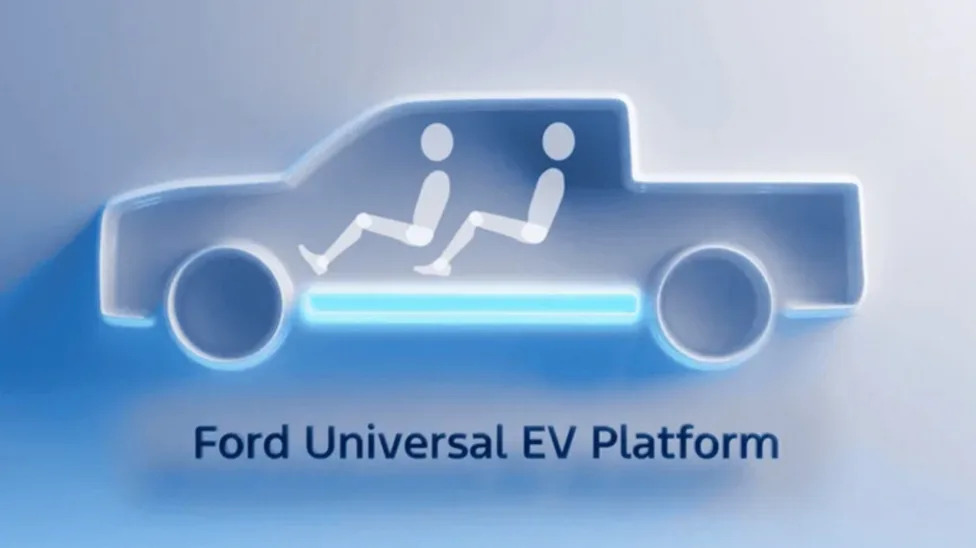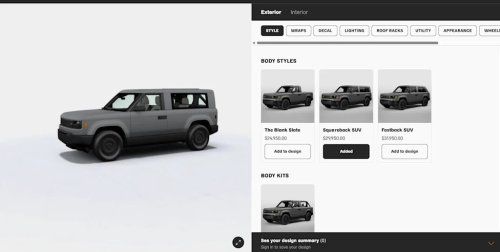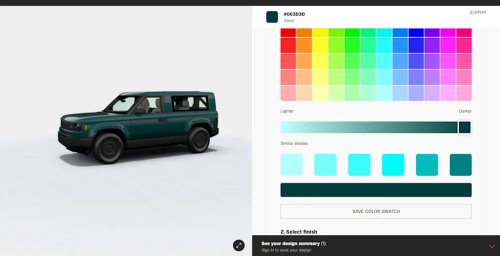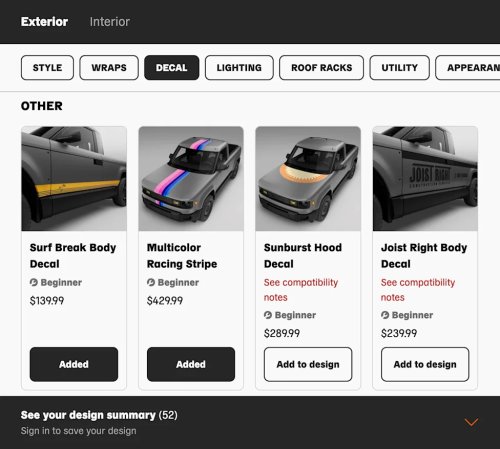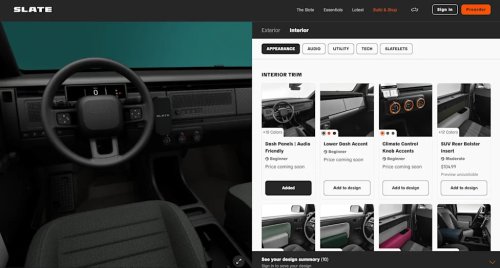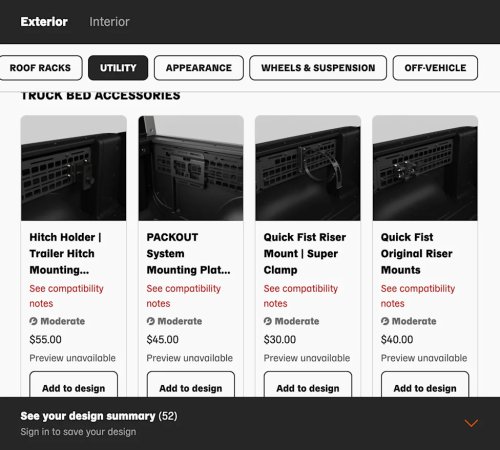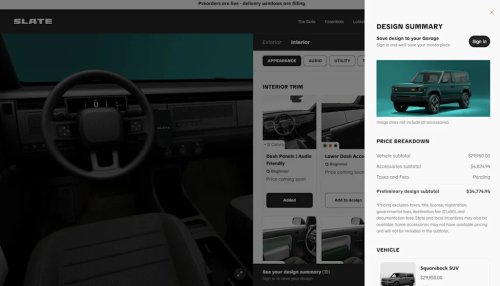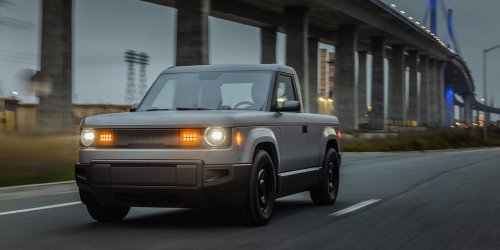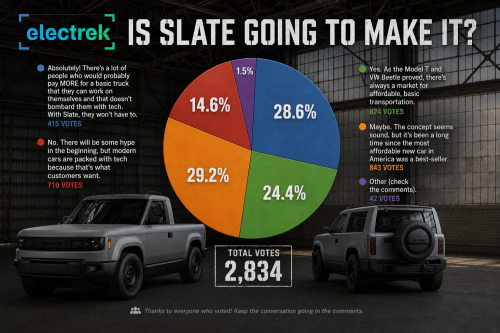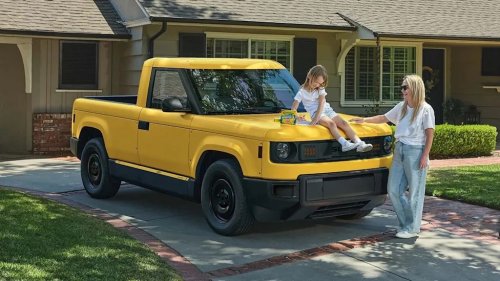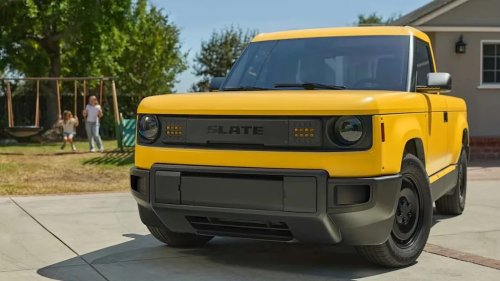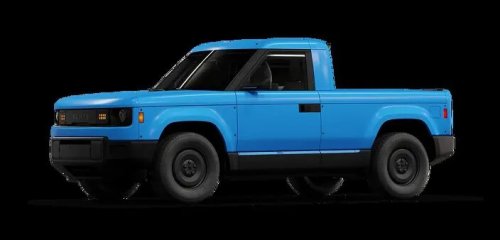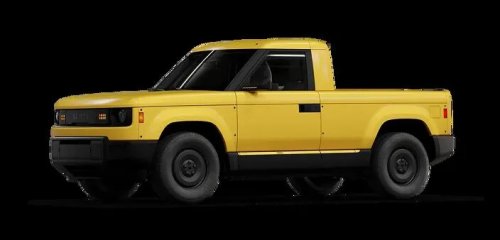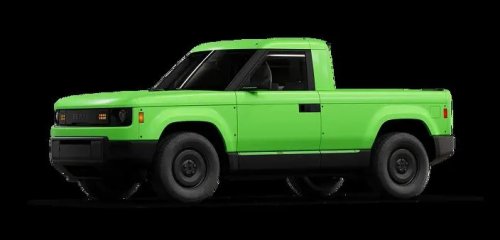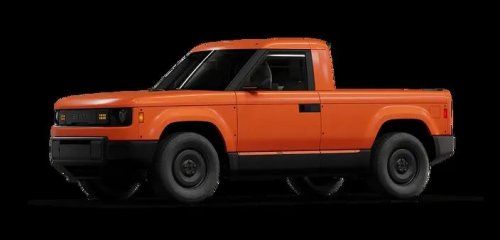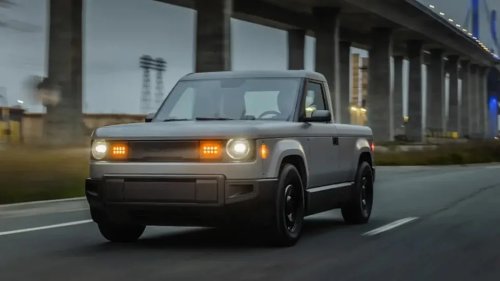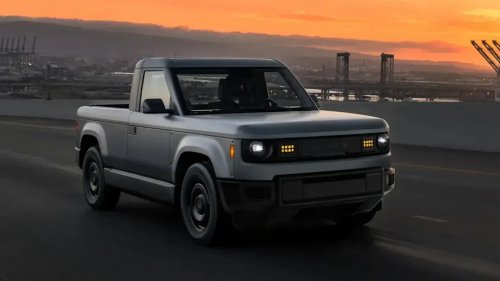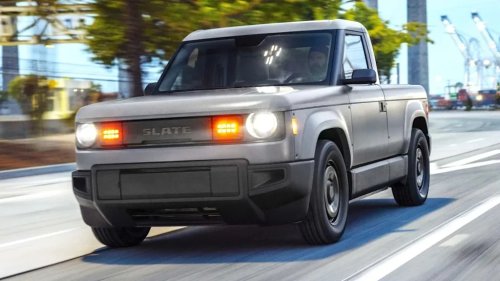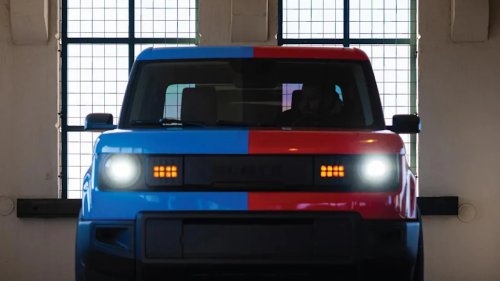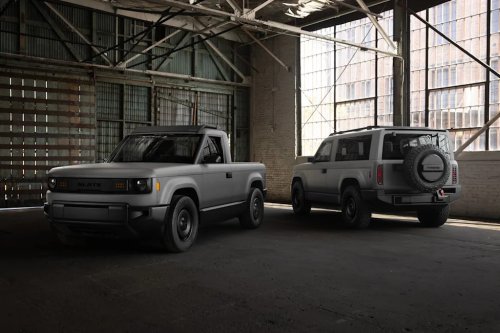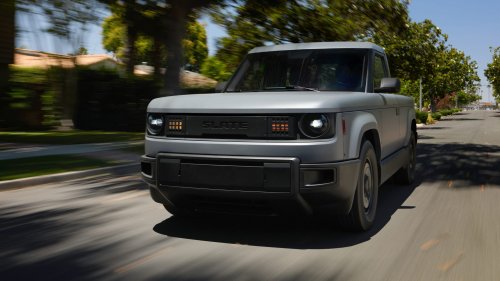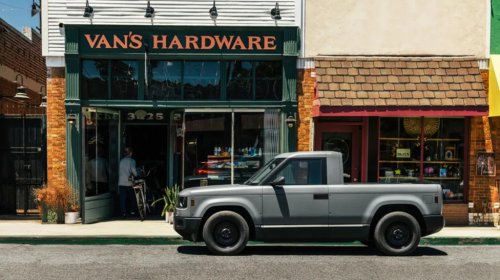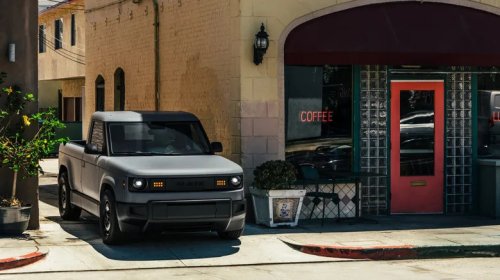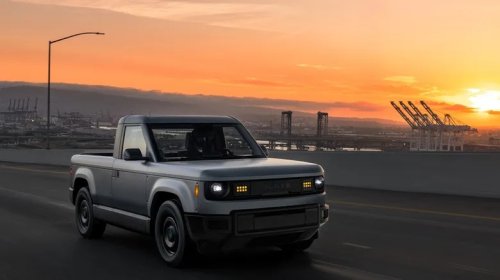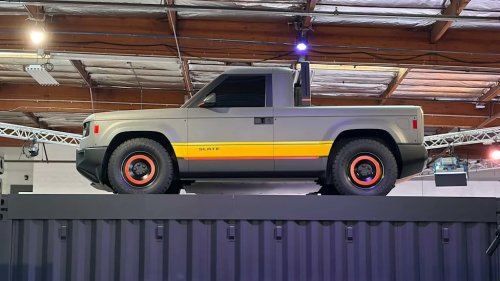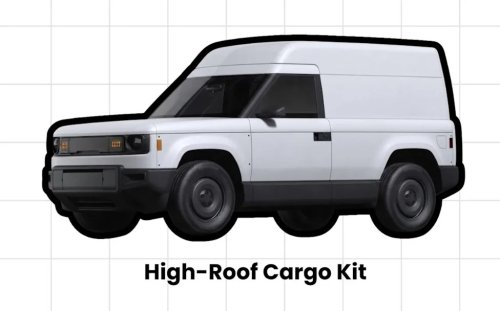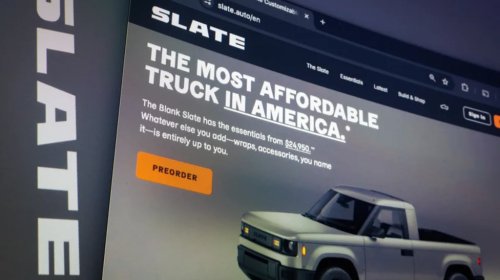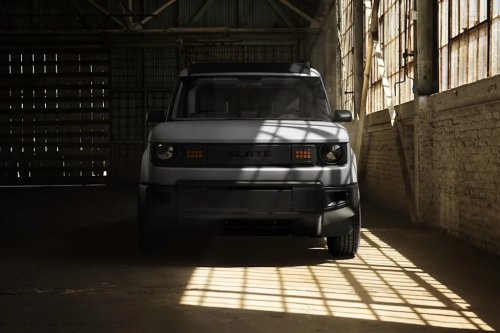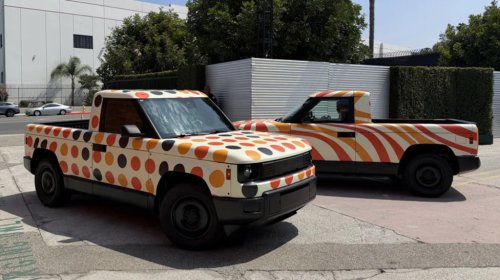
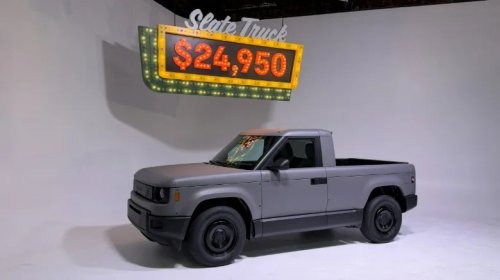
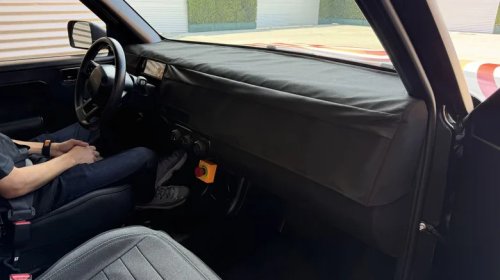
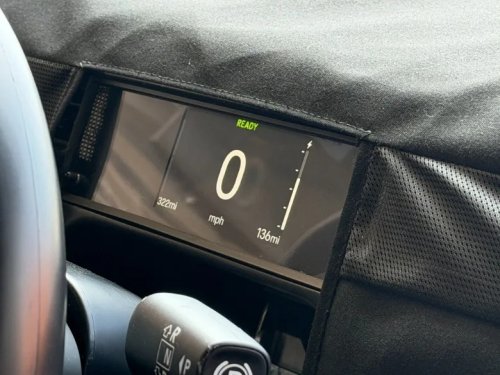
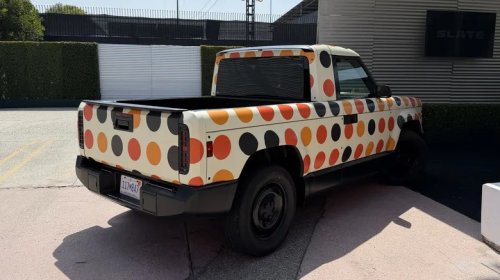
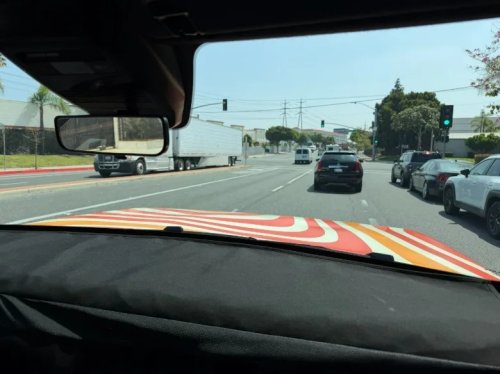
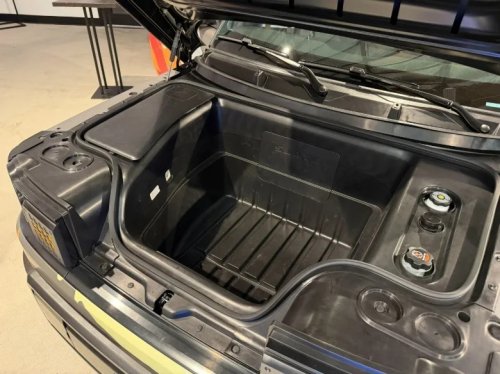
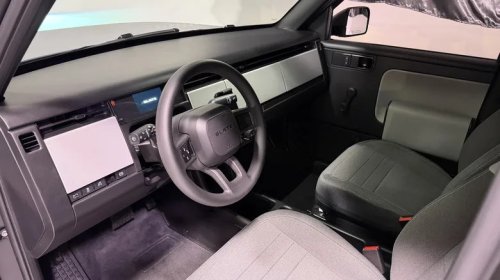
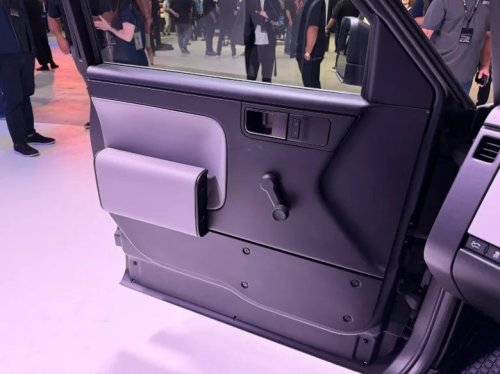
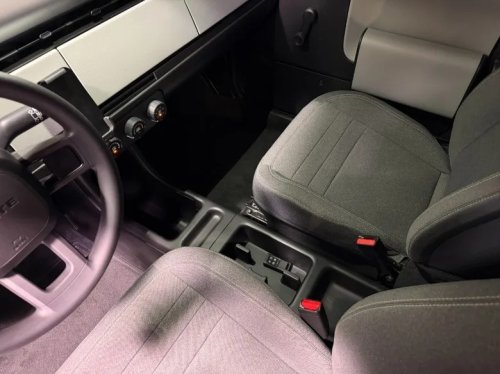
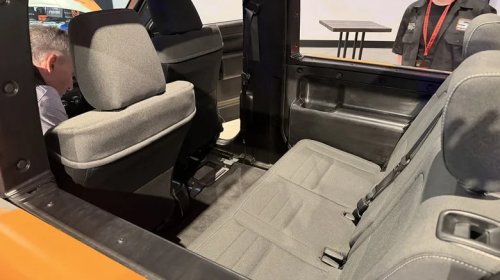
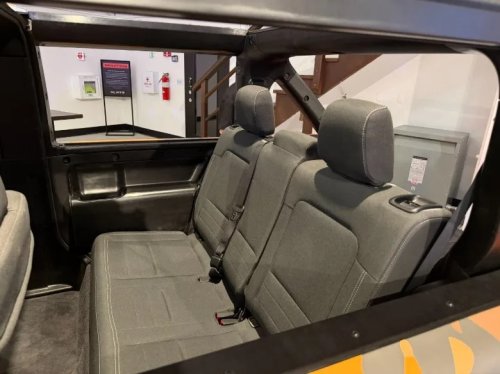
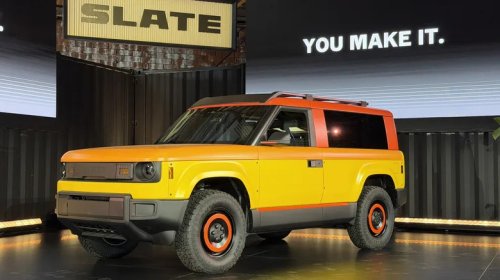
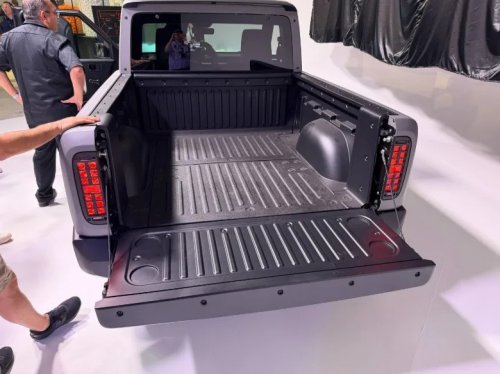



















Daniel Golson/Jalopnik One of the most talked about new cars over the past year has been the two-door electric pickup truck from Slate Auto, a partially Bezos-backed startup that seemingly came out of nowhere. When the Slate was first revealed in April 2025, we lived in a world where the federal EV tax credit still existed, and Slate said the "blank Slate" truck would start at less than $27,500 before that incentive was factored in, so hypothetically the truck would be "under $20,000" with that applied. A lot has changed in the last year, but Slate says it's still on track to deliver its first trucks at the end of this year. With the $7,500 tax credit now dead, people have been eagerly awaiting how much the Slate would actually cost. On Wednesday, that was finally announced: the blank Slate will start at $24,950. That's before destination and delivery fees, so the final base price will be closer to $26,500, or potentially higher. This was also the first time we got any information about the price of options and accessories. Daniel Golson/Jalopnik Also on Wednesday, Slate opened up pre-orders, with reservation holders able to configure their trucks and get an estimated delivery date. Just after 9 a.m., at a media event in California, the automaker said it has over 180,000 reservations, with 10,000 pre-orders placed in the first few hours the configurator had been live. At that event, I got to poke around the interiors of some Slate prototypes, check out a lot of the accessories, and ride in the truck for the first time, albeit very briefly. Despite liking its overall design and really loving the customization possibilities, I've been a skeptic about the Slate since it debuted, and the brief ride-along, paired with the new details, has only made me less enthusiastic about the little truck. Full disclosure: Slate invited me to drive to a warehouse in Gardena to attend its event and ride in the truck. Lots of media and influencers were there, many of whom were flown in by Slate. Hitting the road Daniel Golson/Jalopnik I'll get the actual ride-along out of the way first. A Slate engineer took me for a literal drive around the block; it was about three minutes of time in the passenger seat, on straight surface streets connected by four right-handers. The Slate I rode in was a design verification prototype, built in the late stages of the development process to find issues and make final tweaks before production begins. The interior had some coverings on it, as many of the components weren't built using final material or texture, but overall, it was a pretty well-finished prototype. The Slate has a more awkward step-in than I anticipated. There's 7.8 inches of ground clearance, which isn't a problem, but the side sill was taller than my brain expected, and the floor itself was lower than that. Every time I got in and out of one of the trucks, I was slightly ungraceful. The cabin is really spacious, though, and the seats seemed comfy enough. You sit high enough for it to feel trucky while still being compact, a feeling aided by the long, bluff hood and great forward visibility. Daniel Golson/Jalopnik The Slate's rear-axle motor now makes 181 horsepower, down from the initial 201-hp spec, though the 195 pound-feet of torque are the same. Towing capacity has also increased, from 1,000 pounds to 2,000 pounds. The engineer got on it a couple of times, maybe hitting 50 mph, and the acceleration and mid-range torque felt punchy enough to keep up with LA traffic. Slate says it'll hit 60 mph in 8 seconds, which seems accurate, and is definitely fine for a vehicle this small and relatively light. The only setting for the Slate's regenerative braking is full one-pedal driving, which I think is a great move, and from the passenger seat, the regen felt strong and linear. Not as great a move is what Slate's done with the truck's battery. Slate initially said there would be a 52.7-kWh standard battery pack and an optional 84.3-kWh pack, offering 150 and 240 miles of range, respectively. Apparently, almost everyone who preordered a Slate said they'd want the bigger battery, so the production truck will only have one available battery pack — one in the middle of the two previously-proposed options, with a 63-kWh capacity. The estimated range is only 205 miles, which will probably be disappointing for the people expecting 240. There's no heat pump, either. DC fast-charging capability of 150 kW gives the Slate the ability to charge from 20 to 80% in about 30 minutes, which is about 125 miles of range — not great when compared to other modern EVs. On a level 2 charger, a full charge will take 4-8 hours. Kinda nice but noisy Daniel Golson/Jalopnik My driver took a couple of the corners at an okay speed, but that's about the limit of the dynamic driving I experienced, so I can't really tell you what the Slate's handling is like. The Slate has a MacPherson strut suspension up front with a De Dion axle in the back (the same as what you get in an electric G-wagen), the latter chosen because it's cheap and acts more like a solid rear axle. This truck had the base wheels: 17-inch steelies wearing Kenda all-season tires that have a thick sidewall. The roads we drove on were mostly smooth, and for the most part, the ride quality was pretty good over small bumps, though extended bits of rough surface or expansion joints felt a lot more choppy. Daniel Golson/Jalopnik A bigger problem was the noise. There wasn't a lot of noise coming from the tires, but the cabin was fairly loud overall, with the worst part being wind noise at the A-pillars. Even at 40 mph there was a lot of wind audibly whipping right at my ear level, and I can imagine it would be a lot worse on the freeway. Hopefully, that can be chalked up to this truck still being a prototype. I also didn't get any idea of how good the air conditioning system is. Daniel Golson/Jalopnik As a nice point of comparison, I'm currently driving a 2027 Chevrolet Bolt EV. While my particular test car is an RS trim that checks in at $35,685 (almost fully loaded), the driving experience is basically the same as a $28,995 base model Bolt (that price including destination). When I hopped back into the Bolt to drive home, it immediately felt quieter and more refined, and I know a Maverick would too. Yes, it's not exactly a fair comparison given the Slate's chassis setup, but still. Up to six air bags, automatic high beams, automated emergency braking with pedestrian detection, and traction and stability control are the Slate's only safety features. You don't even get the option of cruise control, let alone adaptive cruise control or the myriad other active-safety systems that come standard on vehicles like the Corolla or Elantra. And that's just the beginning of the bare-bones story. Does anyone really want crank windows? Daniel Golson/Jalopnik I think that once I get to drive a finished production model, I'll have at least a slightly better opinion of the Slate's dynamics and on-road manners, but nothing is going to sweeten my thoughts on the Slate's interior. Like I said before, I think the actual design of the cabin is great, evoking pickups from the 1960s and '80s, and it looks a lot more interesting when you shell out some cash for different colored panels and various accessories. It's spacious, and there are real air vents. But that's about where the positives end for me. If the Slate were still able to receive the tax credit and come in at $20,000 to start, the interior would be a bit more acceptable, but at this price, it's far too bleak for me. The rounded armrests on the door cards are made from very hard plastic, as is the rest of the door card. They immediately feel bad. If you want a storage pocket in the doors, it'll cost $50 for a pair, which will take 30 minutes to 2 hours for you to install. Getting a center console added between the seats costs $250, and its armrest is the same piece of hard plastic used on the doors, but at least you get more storage space and better cupholders. According to Slate's estimates, that will also take up to 2 hours to install. Daniel Golson/Jalopnik Yes, it's got a trio of physical knobs for the climate controls, but they look and feel boring, and the same goes for the steering wheel stalks. I like that there are two gloveboxes behind the dashboard panels, but neither would open on the truck I sat in, which was the least prototype-y of all the ones on display. The steering wheel rim was ever-so-slightly plush, but I don't think it would be very comfortable to hold on to during longer drives. I get that it's supposed to be a simple truck for people who want to do real work or whatever, but I think those people deserve at least some amount of armrest padding, an attempt at interesting design elements, or actual texture on interior materials. Daniel Golson/Jalopnik What I really don't understand are the crank windows and lack of speakers — this is where the Slate really falls into virtue signaling territory for me. Initially, Slate said power windows would be available as one of its accessories, but they've been taken off the list. A spokesperson told me they might become available in the future, but that apparently people love the crank windows, and "it's the first thing people use when they get in the car." But do people really want crank windows? Especially people who are dropping $25,000+ on a brand-new car? I'm pretty sure we figured out power windows, like, six decades ago. Aside from being able to say "my car has crank windows," is there actually a benefit there? This problem felt especially noticeable when I tried to roll down the passenger window, which I couldn't easily do. Even at 5-foot-9, I had to fully extend my body across the cabin and slightly lift my butt off the seat to reach the passenger-side crank. Slate apparently saves $40 per truck by using crank windows instead of power ones, and I don't think that's worth it. At least it's spacious Daniel Golson/Jalopnik Then there's the fact that the Slate doesn't come with speakers of any kind. Come on, dog. Yes, I know there are people on Bluesky who say they're fine with just using a Bluetooth speaker mounted to the dash, but I think that's ridiculous, and I certainly don't think that's something that actual new-car buyers want. Slate says that a speaker mounted in the center of the dashboard (with a few buttons and a volume knob) costs $250 and will take 30 minutes to 2 hours to put in, and a speaker for each door is another $150 and will take the same amount of time. Daniel Golson/Jalopnik There's no center touchscreen or infotainment system, which I have less of a problem with. You get a smartphone mount as standard, plus the option of a larger tablet, and Slate offers its own infotainment app for your phone. But using that tablet requires installing the $275 telematics module, which is also the only way to get battery preconditioning and remote access. One of the Slates on display had the back seats and open-roof kit installed, which Slate hasn't announced the price of yet. The front seats slide forward really far, and the low floor and big door opening make it fairly easy to climb in and out of the back, though there's the same problem with the side sills. I fit in the back seat with a lot of headroom and legroom, but it's definitely not somewhere I'd want to be for more than a quick trip. Man, I dunno Daniel Golson/Jalopnik Look, I already knew going into this event that the Slate wasn't going to be my vibe. But after getting that quick ride-along and poking around those prototypes, I really don't get it. I love how customizable the Slate is, and how the company is encouraging people to design their own accessories. This isn't even me being a cheap-car hater, either. I'm all for simple, focused vehicles, and agree that the U.S. desperately needs more cheap and small options, especially when it comes to EVs and segments like the pickup truck. The Slate just doesn't meet the moment for me. Option up the base Slate with some basic options like the speakers, center armrest, storage cubbies, floor mats, a tonneau cover, and one of the exterior wraps, and you're quickly looking at a truck that costs about $30,000. If all you want is the four-seater SUV kit, that'll cost you at least $29,950 before destination, and the fastback SUV kit is another two grand more than that. Yes, the Slate is both the cheapest EV and the cheapest truck on the market, but when put up against other ~$25k vehicles, it really doesn't look like a good deal. Daniel Golson/Jalopnik It'll also soon face some stiff competition, with Ford set to launch its $30,000 electric pickup truck next year. That truck will have four doors, and probably a notably longer range and faster charging. It'll almost surely have power windows and speakers as standard, too. And of course, there's also the existing hybrid Maverick, which starts at $29,990 including destination. Slate says it already has 3,000 authorized service centers that will be able to do work on the truck and install accessories and wraps, but there's still a lot we don't know, like how the company will actually be handling deliveries. Maybe I'll be proven wrong, and the Slate will be a smash hit, with the company pumping out 150,000 units a year, like it says the Warsaw, Indiana, factory will be able to handle. But as it sits, I just don't see the Slate genuinely appealing to actual buyers, beyond a small handful of nerds who have been clamoring for a return of tiny, bare bones trucks.