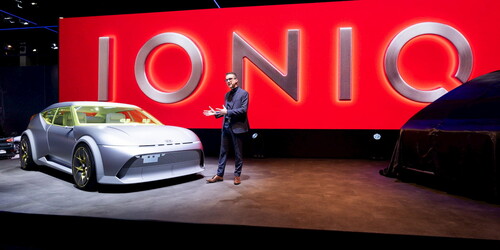
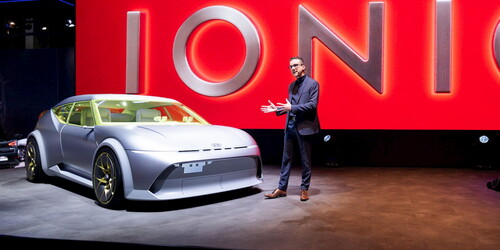
Announcing its Q3 2026 results on 28 October, Hyundai Motor India Limited (HMIL), the South Korean automaker’s publicly listed local subsidiary, announced it would launch a “dedicated mass market EV” in the January-March 2027 quarter. The following day, its parent company revealed Ioniq P as the name of this model while briefing analysts on its product pipeline for South Korea and overseas markets during its Q3 2026 earnings conference call.
“In China, we have Ioniq V that’s coming, and in India, we have Bayon and Ioniq P”, a Hyundai global official said. The Ioniq P will be the same A-segment EV which local media earlier referred to by the codename ‘HE1i’. The company has been testing this model locally and in South Korea for nearly a year now.
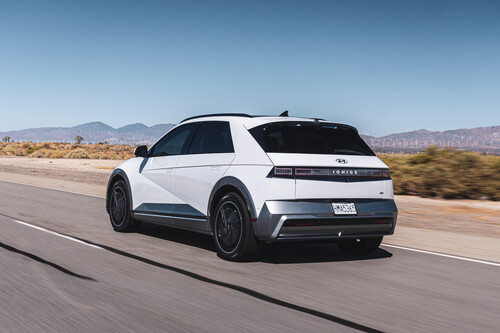
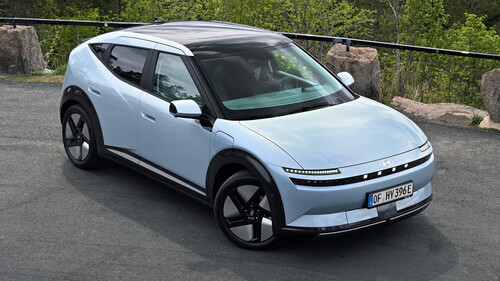
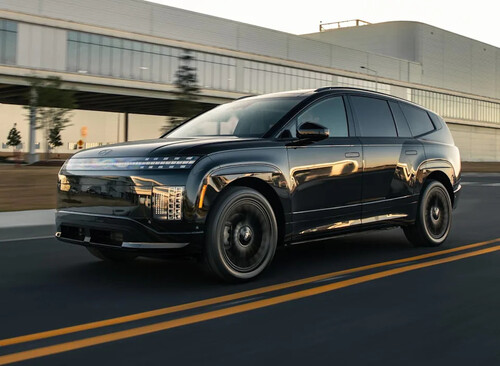
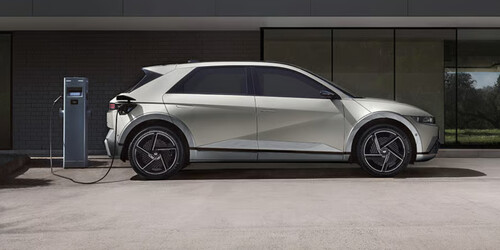
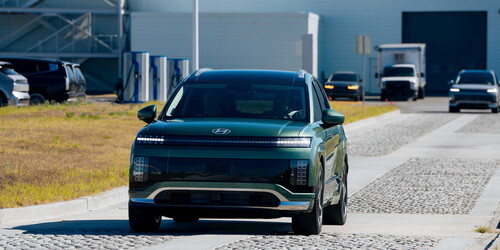
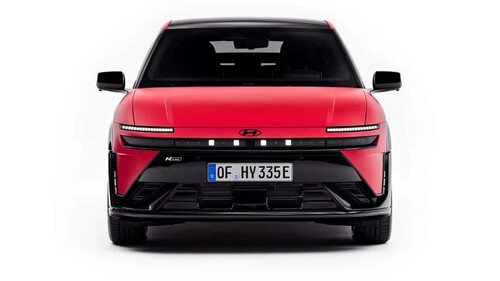
Prototypes spotted during road testing suggest the exterior of the Ioniq P will follow a concept similar to the Inster, but with a boxier, more upright shape and a tougher look, in line with Indian consumer preference for more authentic SUV character. The Indian model also looks bigger in size, which further contributes to its stronger SUV identity.
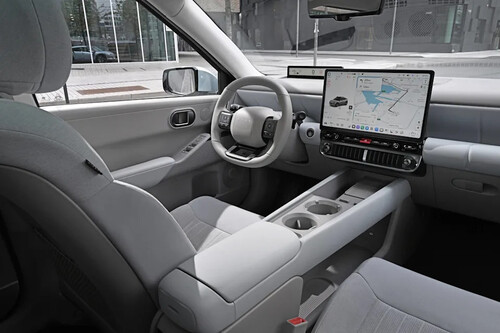
At the same time, Hyundai appears to have used several modern design cues, including flush-fitted door handles, slim front and rear lights incorporating Hyundai’s signature Parametric Pixel pattern, two-tone wheels, and a shark-fin antenna. Inside, the company has indicated that the new EV will align with its latest global design language, featuring a combination of a slim 9.9-inch digital instrument cluster and a tablet-style 12.9-inch touchscreen infotainment system, both running the Android Automotive Operating System (AAOS). It has also confirmed the availability of Level 2 advanced driver assistance systems, which are emerging as a key selling point in India.
According to a report from Autocar India, the Ioniq P should sit on the E-GMP (K) platform that underpins the Inster. Hyundai originally planned to use LFP cells produced locally by Exide Energy, but following delays from the supplier, it has decided to import them from China’s Svolt during the initial stage. The company plans to offer two battery pack options, targeting both urban commuters and customers who frequently travel longer distances. It has yet to announce any export plans for this model.