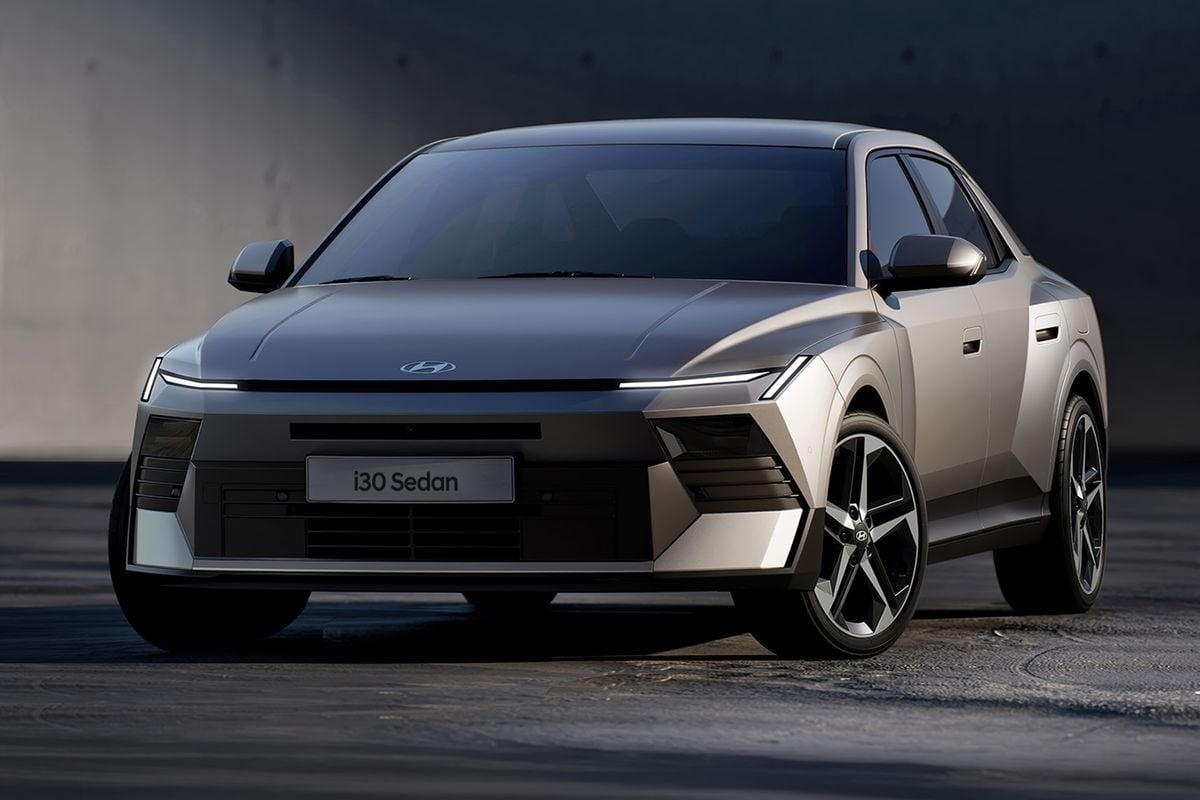
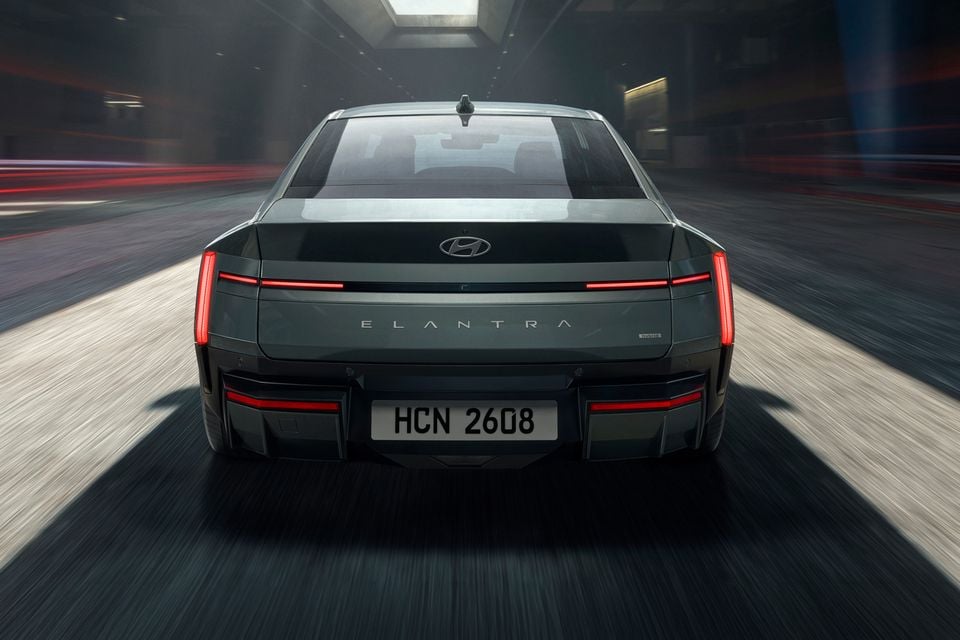
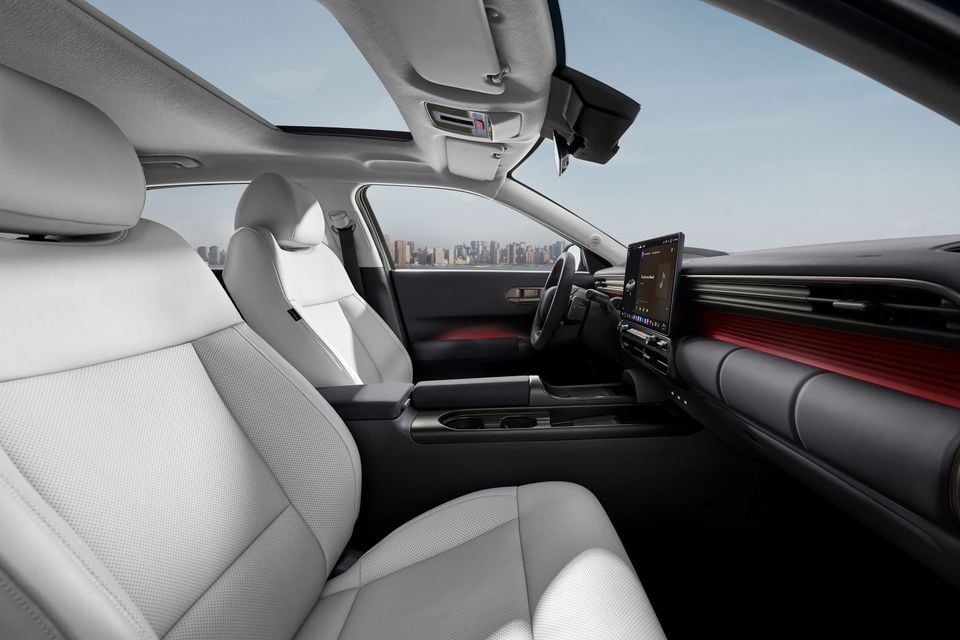
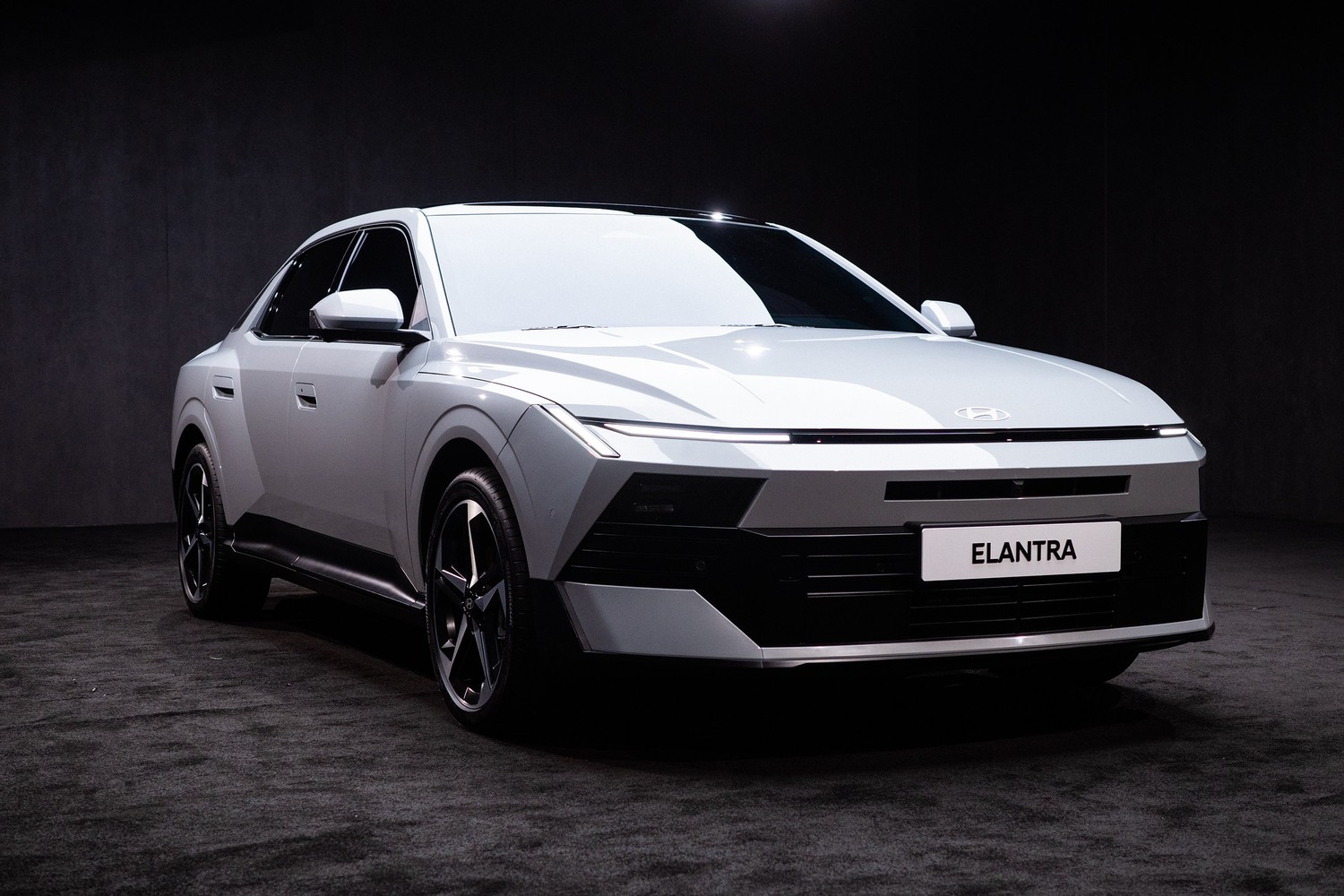
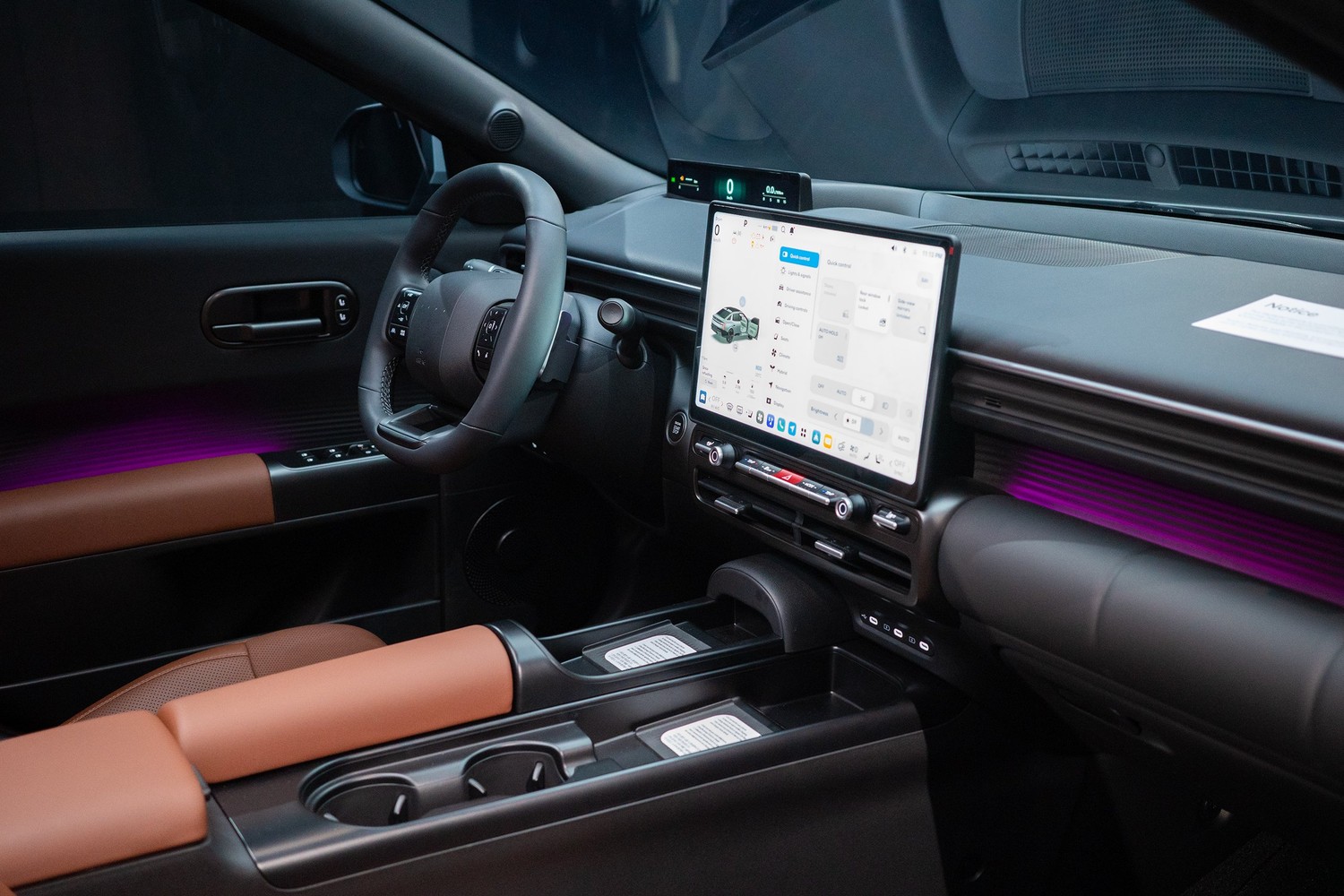
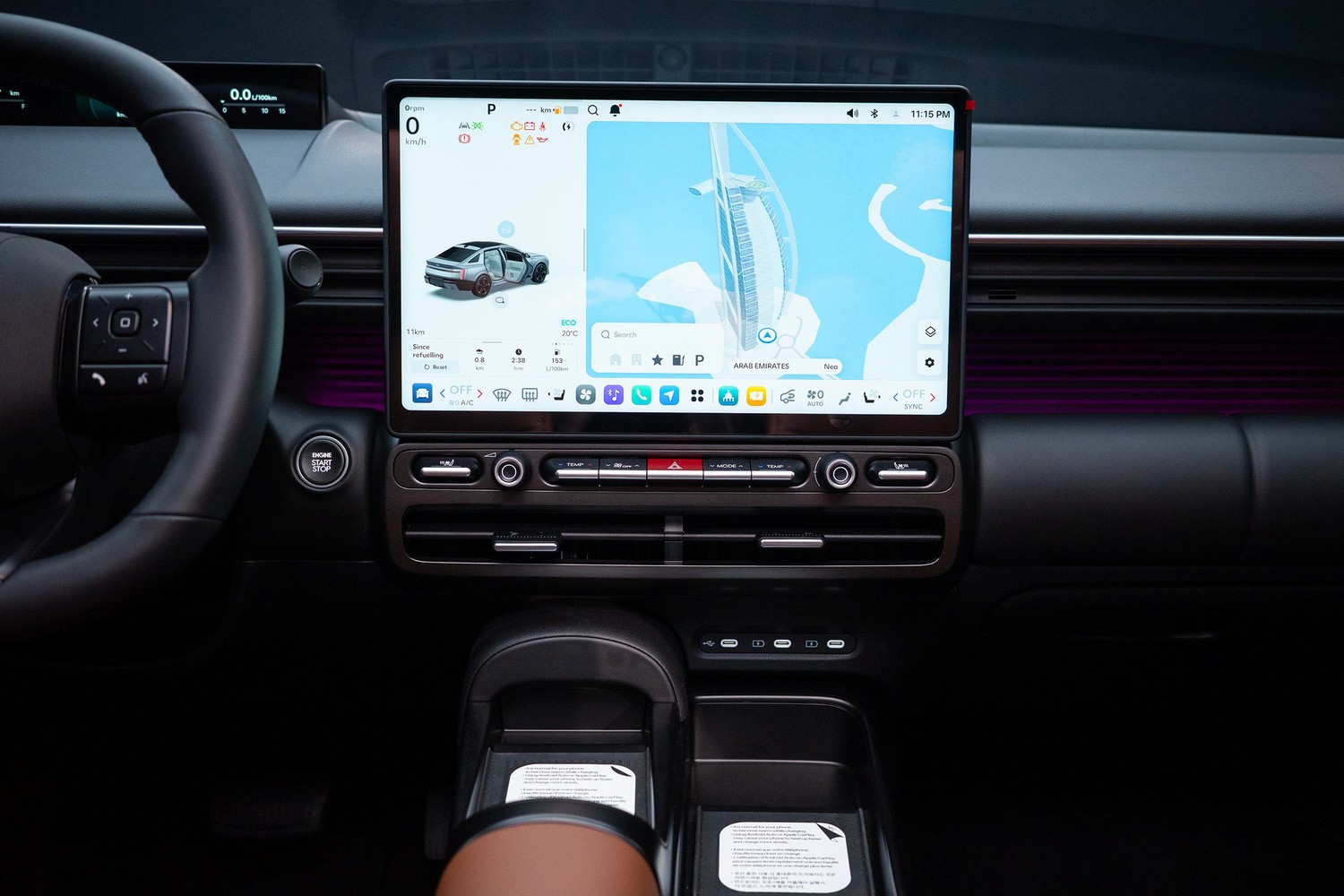
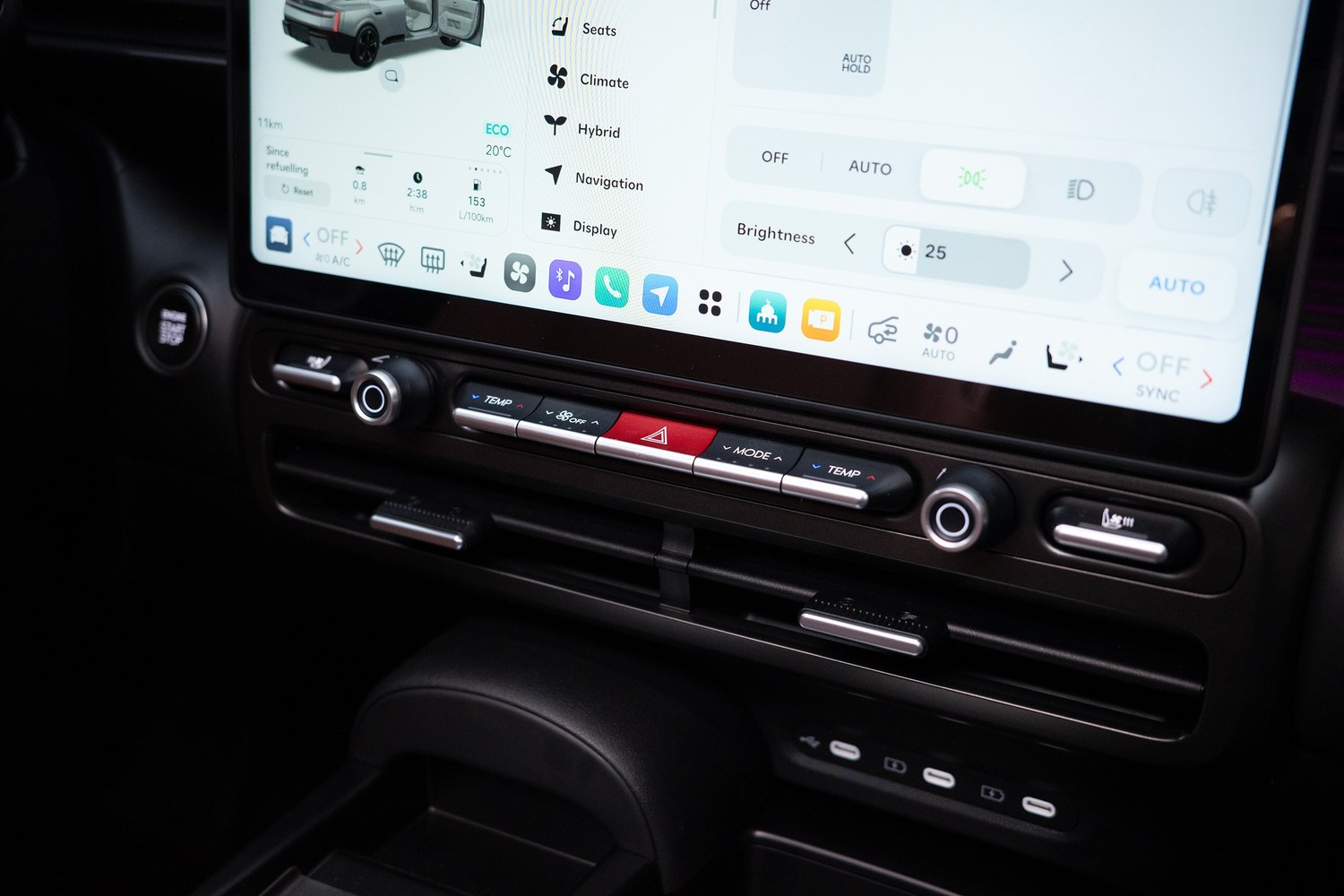
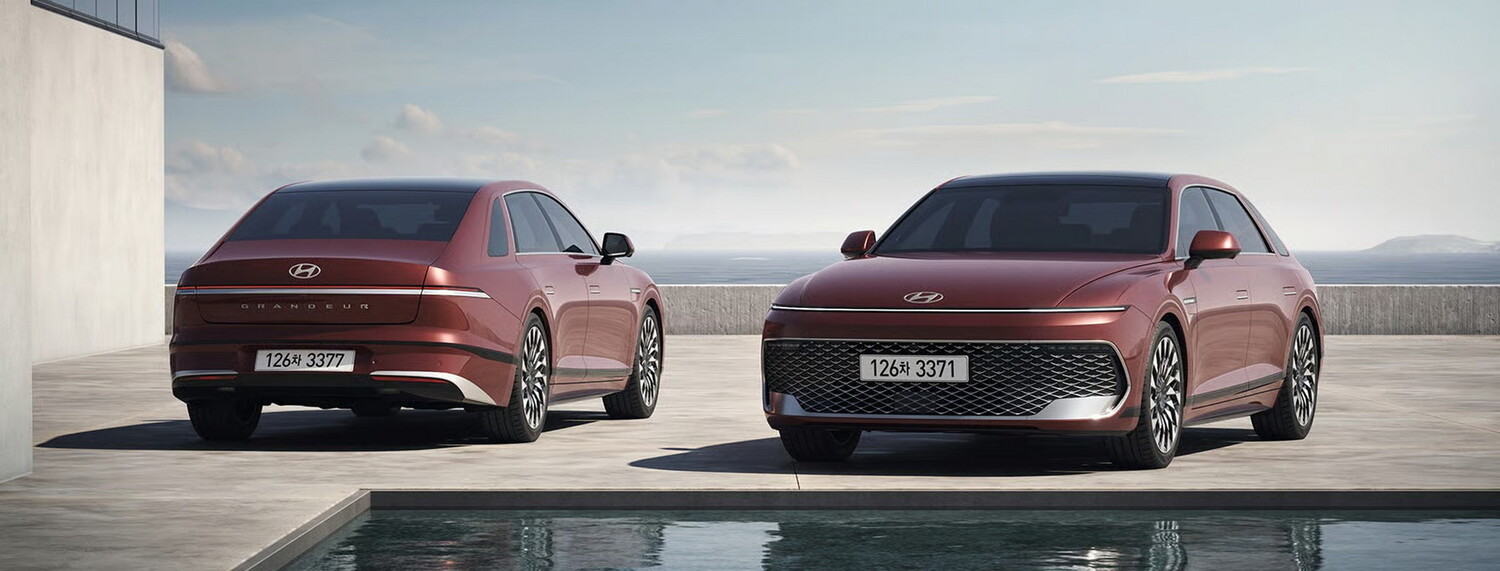
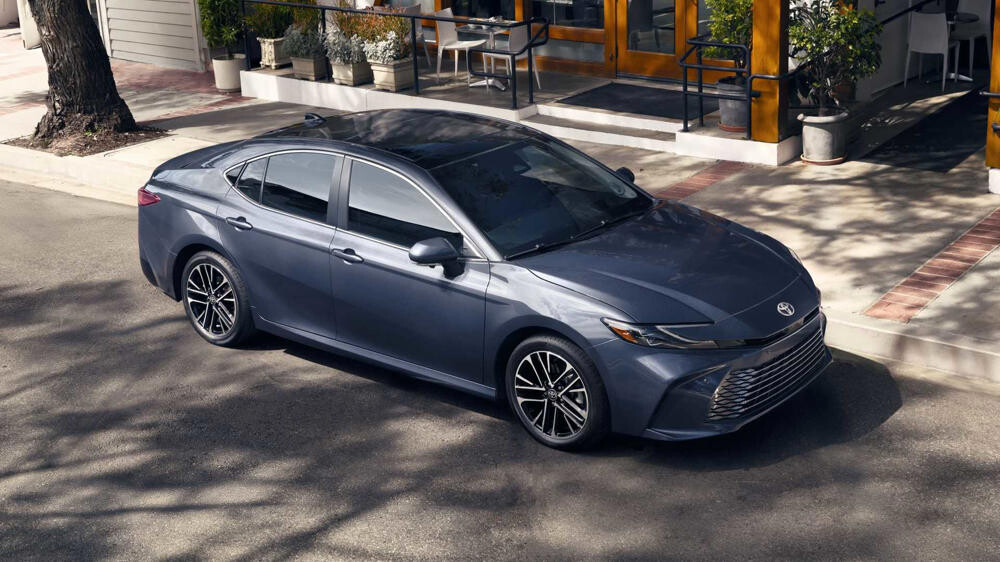
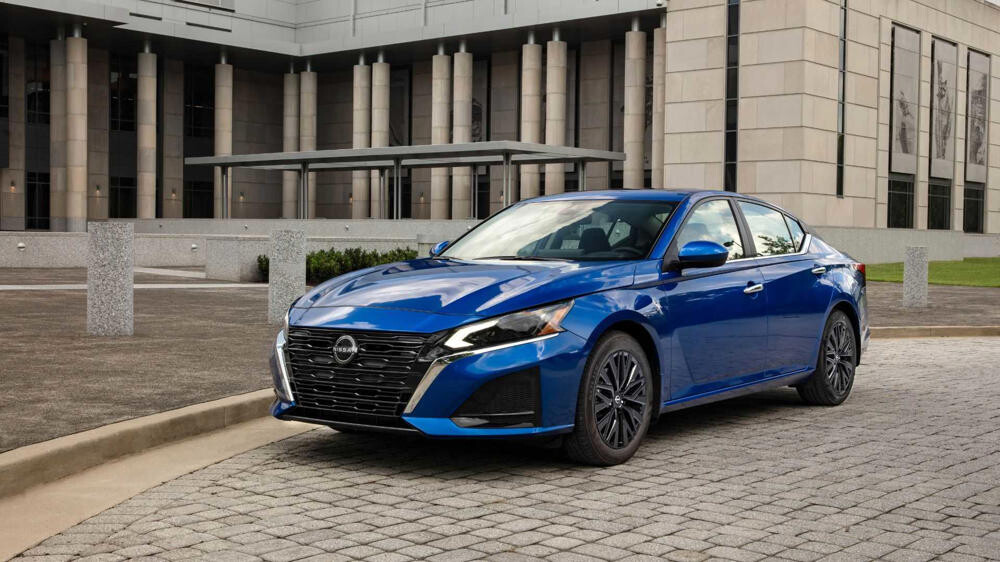
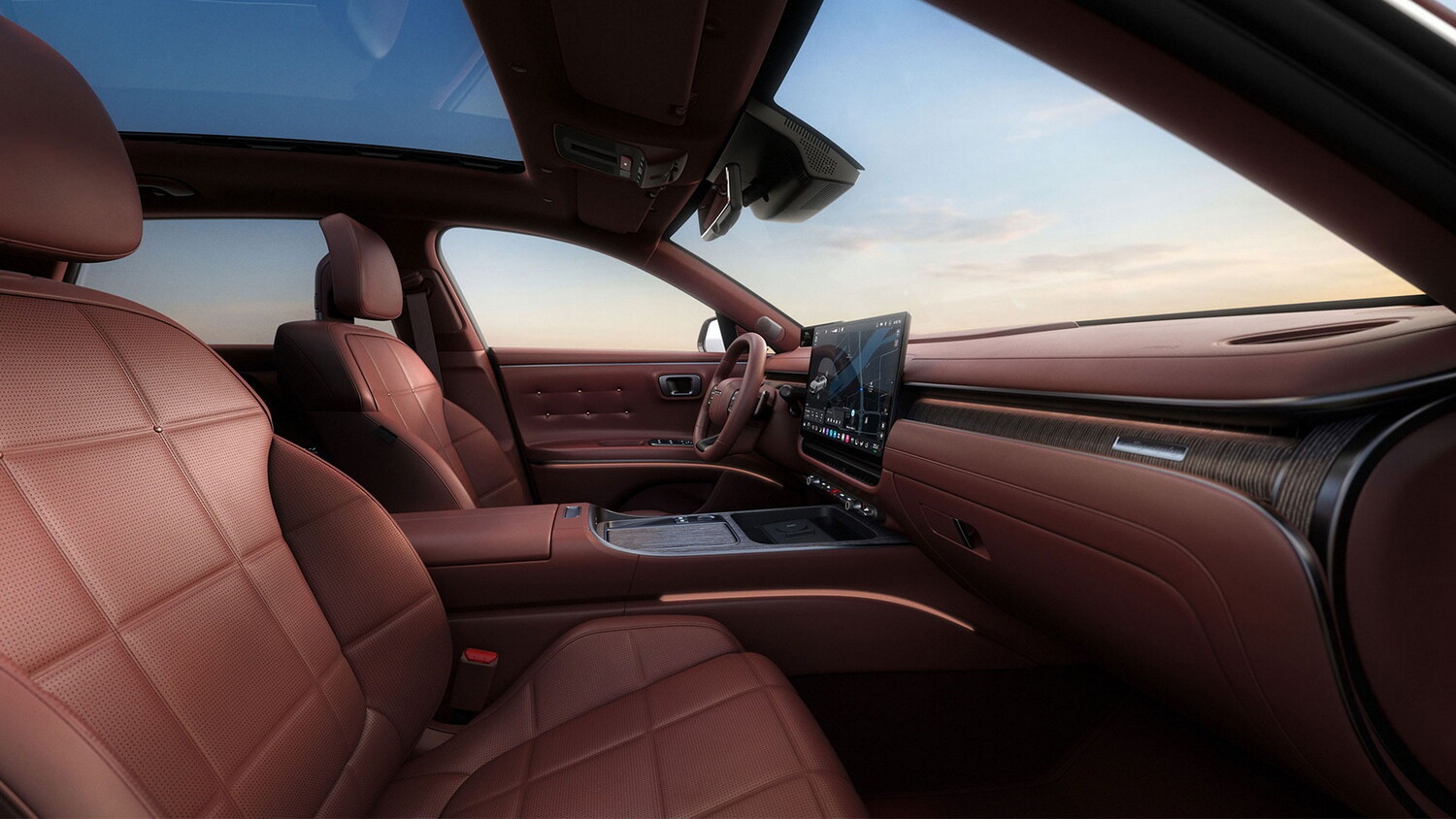
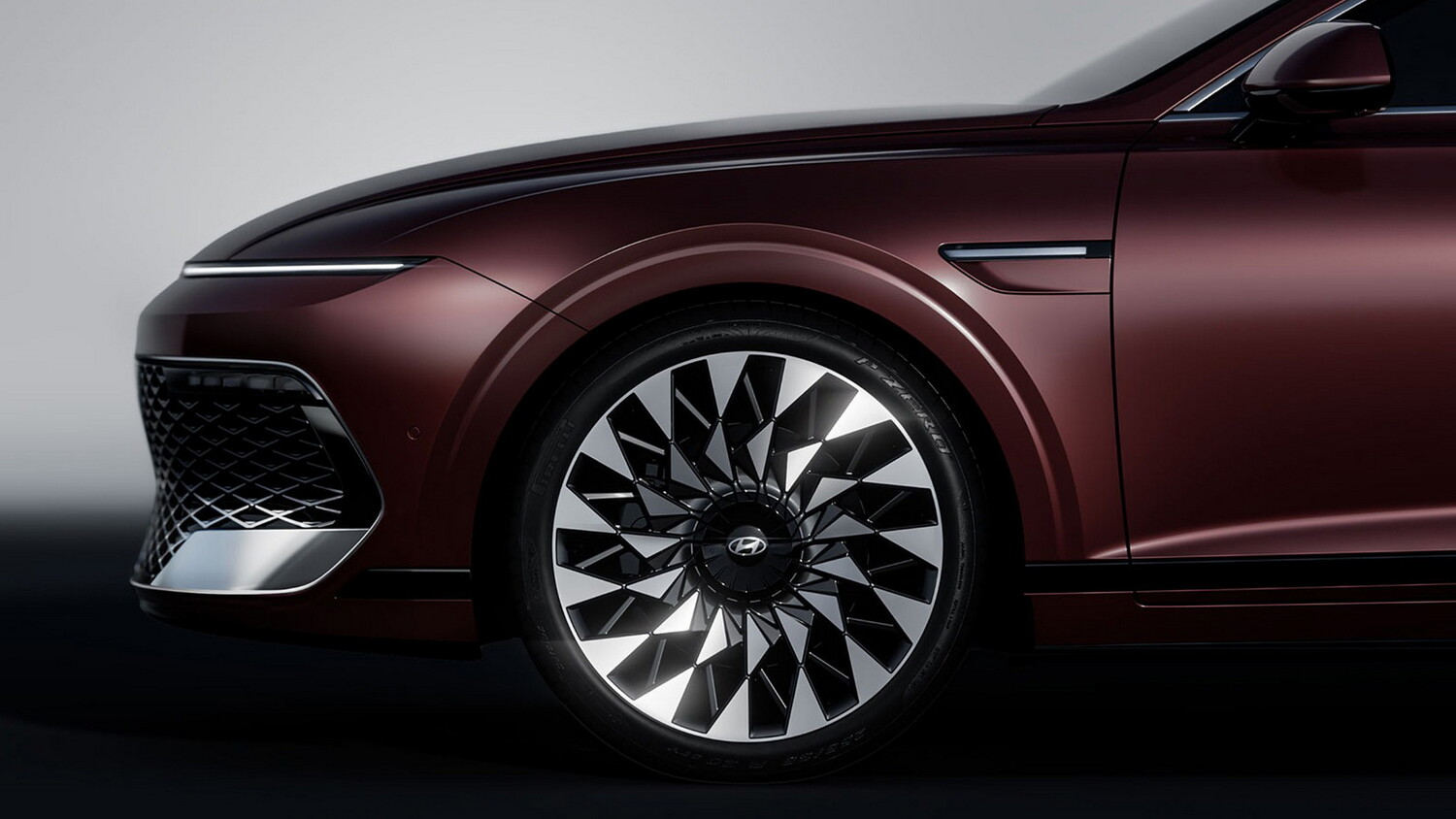
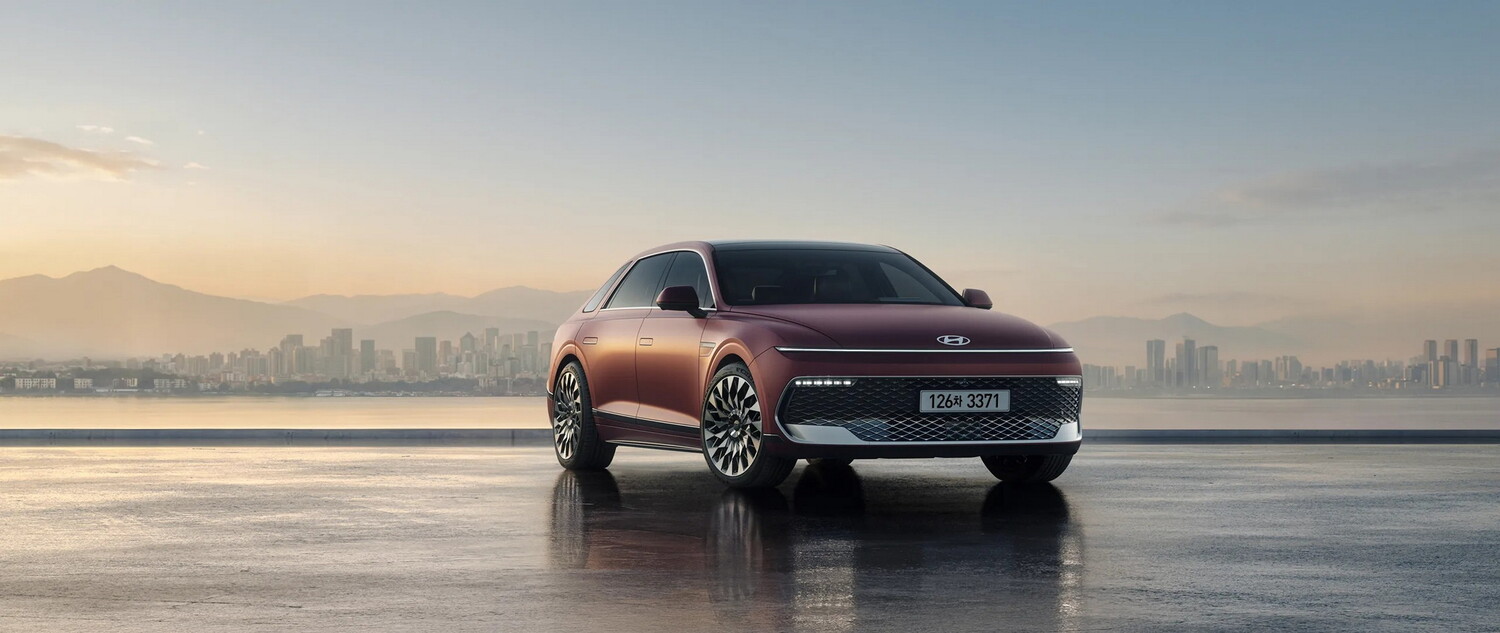
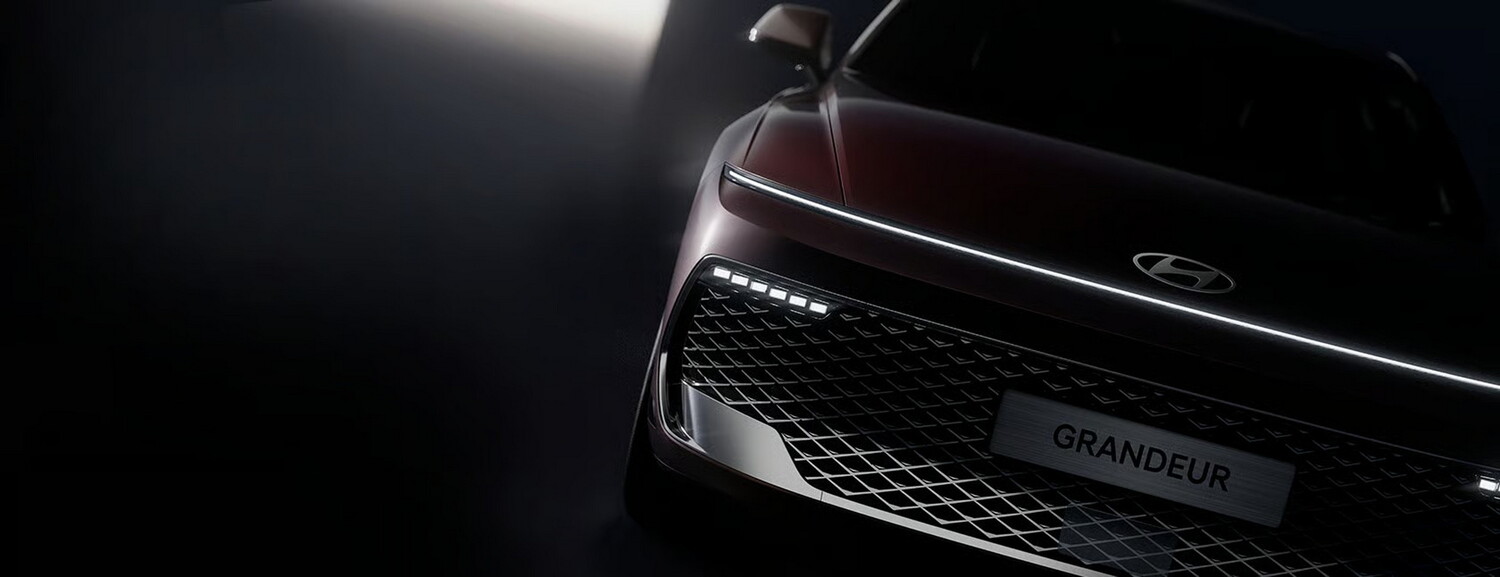
The eighth-generation Hyundai i30 Sedan has made its North American debut at the Los Angeles Auto Show, presenting a wild new look and cutting-edge in-car tech, but petrol-only variants will be dropped when the all-new small sedan lands in Australia next year. Sporting Hyundai’s new ‘Art of Steel’ design language, the new i30 Sedan will arrive in Australia in mid-2027 with a hybrid-only powertrain lineup, after being introduced in South Korea with petrol and hybrid power under the Avante name. Hyundai Australia will retain the i30 Sedan name, while the new model will again be badged as the Elantra in North America. Hyundai dropped the Elantra name in Australia in 2020 in favour of the i30 Sedan identity. Production of the regular i30 Hatch for Australia ended in December 2025. The i30 N hot hatch continued on sale, but Hyundai has yet to name a successor for the regular hatch, leaving the sedan as the only non-N-badged i30 in the Australian range. Local pricing, model grades and equipment levels are yet to be announced for the new hybrid-only lineup. Hybrid versions of the outgoing i30 Sedan start at $33,250 before on-road costs, with the Elite priced at $37,750 before on-roads. Petrol-only i30 Sedans include the Premium and N Line Premium grades, as well as the high-performance i30 Sedan N. The new i30 Sedan’s boxy design brings massive squared-off wheel-arches, angular lines and slim ‘H-Edge’ headlights, with ‘slim neck’ mirrors, flush door handles and an integrated ducktail spoiler giving the traditional three-box sedan an athletic look. The key change underneath the dramatic exterior is a 30mm increase in wheelbase to 2750mm, creating more passenger space. The version shown in Los Angeles measures 4795mm long. The ‘Art of Steel’ theme, which was set to debut in Australia on the Ioniq 3 electric hatch before its local launch was shelved last month, is bolstered by an extra 30mm of width (1855mm) and 15mm of height (1430mm). The hybrid shown rides on 18-inch wheels. Hyundai claims ‘compact sedan nimbleness’ with ‘medium car segment’ interior space, quoting 993mm of rear legroom (+29mm), 22mm more rear shoulder room and 958mm of rear headroom (+18mm). Those figures are comparable to the published North American figures for the larger Toyota Camry Hybrid. Hyundai quotes 467 litres of boot space for the new model, while the outgoing Australian-spec i30 Sedan Hybrid is rated at 474L. Like the larger Camry, the Australian i30 Sedan range will be offered solely as a conventional hybrid (HEV), with Hyundai Australia passing on the 2.0-litre petrol version offered overseas. While electric vehicles (EVs) have been making headlines and claiming record market share in Australia, HEV sales increased 10.6 per cent year-on-year between January and October 2026, accounting for 16.8 per cent of new-vehicle sales. The new i30 Sedan will use an updated version of the previous 1.6-litre four-cylinder petrol engine and electric motor combination. It produces 115kW of power, up from 104kW, and drives the front wheels through a six-speed dual-clutch automatic transmission. The outgoing hybrid produces 265Nm. Hyundai has yet to release Australian fuel consumption figures for the new hybrid. The outgoing model has an official combined figure of 3.9L/100km. Regenerative braking and Hyundai’s ‘Hierarchical Predictive Control System’ are designed to improve efficiency. The latter anticipates conditions along the route and adjusts how the hybrid system manages battery charge. There’s also a ‘Stay Mode’ that lets occupants use features such as the infotainment and climate control for a limited time while parked without running the petrol engine. The cabin of the new i30 Sedan follows that of other Art of Steel models, such as the Nexo and Ioniq 3, and is dominated by a central touchscreen running the Korean automaker's new Pleos Connect system. Overseas models offer 12.9-inch and 14.6-inch digital screens. Hyundai’s new-generation Android Automotive-based infotainment system debuted in South Korea earlier this year on the Grandeur luxury sedan not sold here. It will also feature in the next Hyundai Tucson mid-size SUV, which is also due to arrive in Australia in mid-2027. In the i30 Sedan, it brings Gleo AI, an in-car artificial intelligence assistant that Hyundai says can understand everyday conversation, making voice commands faster and more effective and reducing the need to use the touchscreen. Physical buttons remain on the i30 Sedan’s doors, on its three-spoke steering wheel and below the infotainment touchscreen. The steering wheel boss retains Hyundai's ‘H’ logo in Morse code, and there are rotary knobs for volume and air-conditioning. Seat upholstery available in overseas models includes cloth, leatherette and genuine leather in various combinations of beige, grey, ivory, cognac and black. Overseas models also offer 100W-capable USB-C ports, dual 15W wireless smartphone charging pads, over-the-air software update capability, and Hyundai’s Digital Key, as well as a Bang & Olufsen audio system for higher grades. Other features include a surround-view monitor, rear cross-traffic alert and Intelligent Speed Limit Assist, which can help drivers adjust their set speed to match the posted limit. Driver-assistance systems also include Lane Following Assist, Remote Smart Parking Assist, and Memory Reverse Assist (MRA). MRA can remember up to 50 metres of the path the car has just driven and then help steer it back along that path in reverse. The driver controls the accelerator and brake. Hyundai will announce further details closer to the i30 Sedan’s arrival in Australia in mid-2027. Ready to find the right new car at a great deal? Research cars in our Showroom, compare your options or let our New Car Specialists do the running around to find you a great deal.

 Liked by Parker Côté, Victoria Harris


























 Liked by Parker Côté, Victoria Harris


