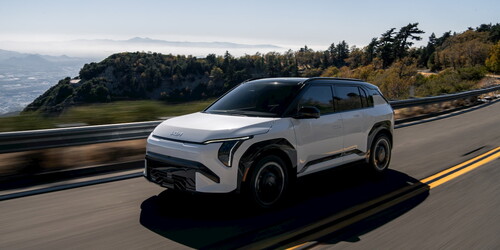
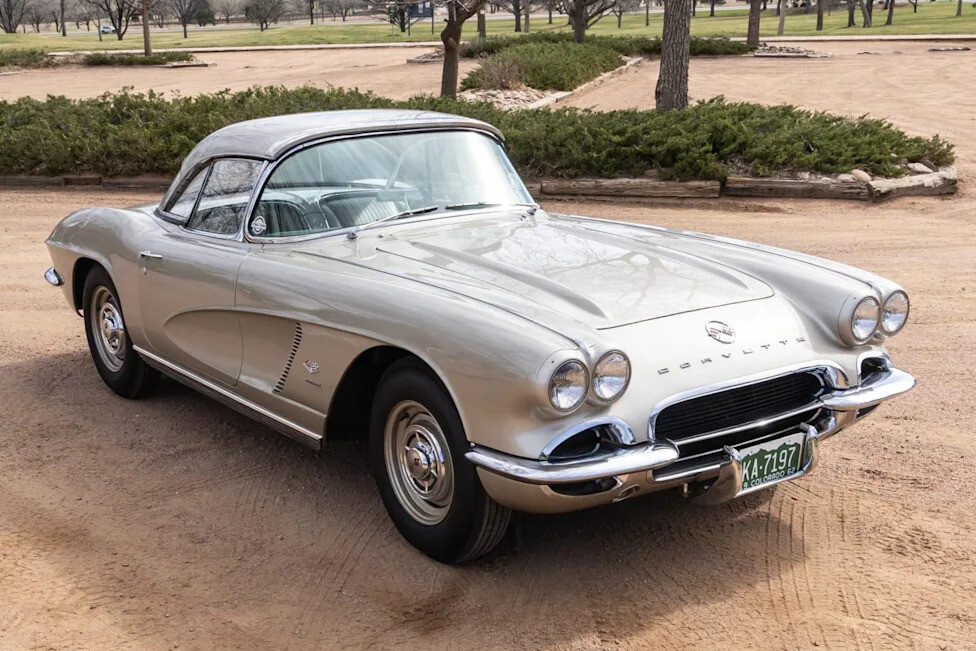
Alexander Rogers · 23 days ago@alexanderrogers48How To Clean A Car Windshield With Vinegar For A Streak-Free Finish Liked by+32 othersPost commentRelated PostsFord’s 6-Year North American Truck of the Year Streak Is Over 33 · Ethan Girard · 1 months agoKyle Larson Ends Winless Streak at Record-Breaking Caution-Filled Race at Gateway 48 · Sophie Turner · 1 months agoLando Norris Continues His Hot Qualifying Streak with Spanish Grand Prix Pole 32 · Lucas Campbell · 1 months agoThis ’49 Pontiac Silver Streak Time Capsule Was Parked In A Basement And Forgotten For 66 Years 25 · Amélie Girard · 1 months agoChristopher Bell Wins Southern 500, Breaks Nearly Year-Long Winless Streak to Start NASCAR Playoffs 71 · Olivia Lee · 1 months agoScott McLaughlin Breaks Two-Year Winless Streak with Win in IndyCar Finale 54 · Daniel Walker · 1 months agoHow to Wash Your Car Without Leaving Scratches or Streaks 93 · Daniel Smith · 1 months agoKia's hot streak warms up as the new $30,000 EV3 launches 15 · Oliver Walker · 1 months agoCritics Slam Tesla's Gamification Of FSD As Driver Hits 25,000-Mile Streak 82 · Audrey Roy · 2 months agoRam's Solid 2026 Could Break Stellantis' Seven-Year Self-Inflicted Bad Luck Streak 62 · Audrey Wright · 3 months agoAlex Palou’s IndyCar Pole Streak Ends at Five and There's an All-McLaren Front Row for Mid-Ohio 32 · Nicole Clark · 3 months agoNissan extends streak as fastest-growing mainstream brand in U.S. for 16 straight months 69 · Leo Harris · 3 months agoMercedes' Streak Continues with George Russell on Pole for the Barcelona-Catalunya GP 27 · Emily Smith · 4 months agoAs Kimi Antonelli’s Streak Continues Can George Russell Get Back Into F1 Title Contention? 25 · Audrey Clark · 4 months agoKimi Antonelli Dominates Monaco Grand Prix Amid Chaos to Extend GP Win Streak to Five 32 · Madeleine Martin · 4 months agoEurope’s EV market extends growth streak as new models gain 53 · Zoë Lee · 4 months agoTesla FSD Streaks Feature Gamifies Self-Driving Software: TDS 22 · Lily Campbell · 6 months agoChase Briscoe Holds off JGR Teammate in Closest Finish of NASCAR SeasonLogan Scott · 6 days agoEx–Pikes Peak 1962 Corvette Fuelie Heads Toward a No Reserve Finish on Bring a TrailerEmily Roy · 9 days agoThe BMW iX3 Gets 603 HP. And M Isn’t Finished YetOliver Smith · 10 days ago


 +32 others+32 others
 +32 others