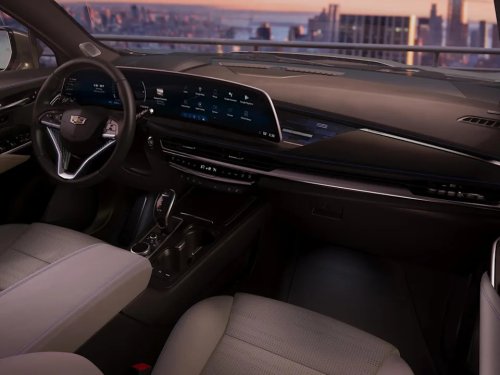
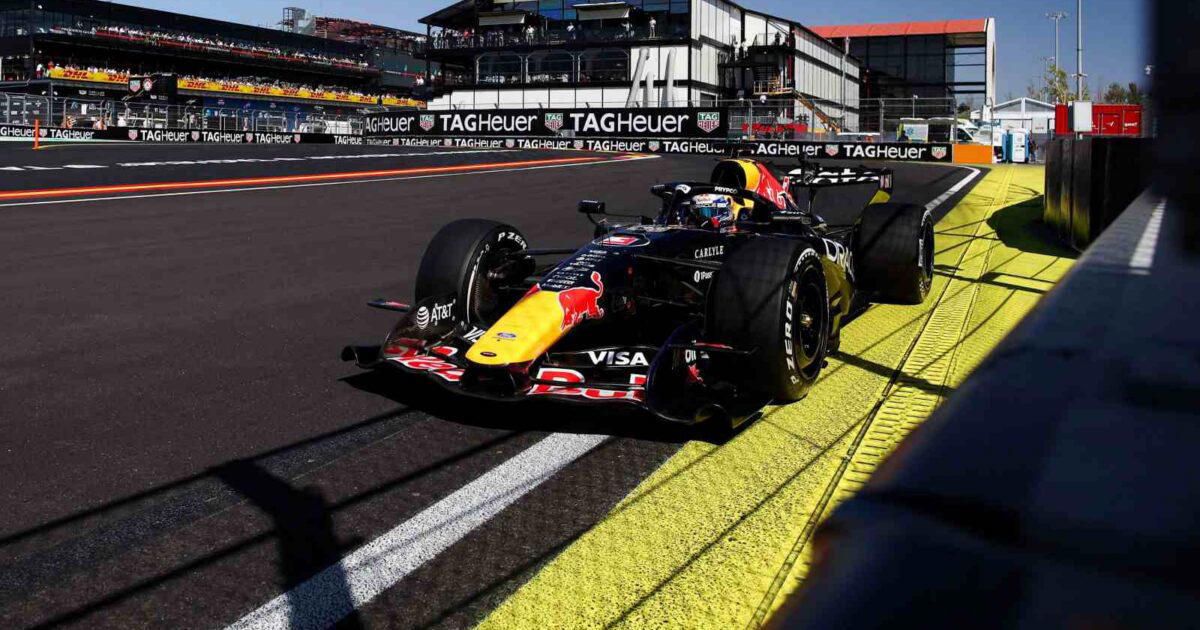
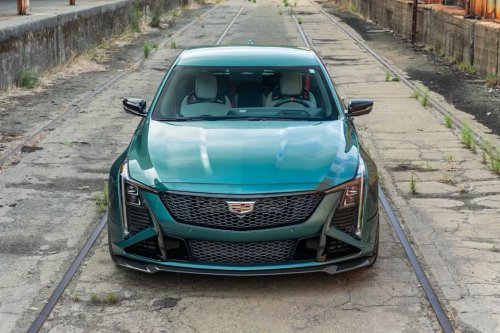
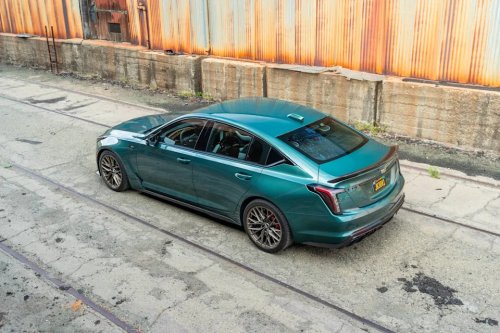
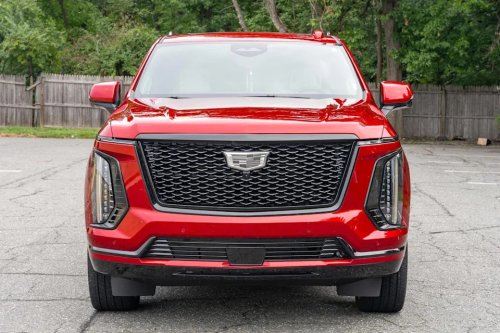
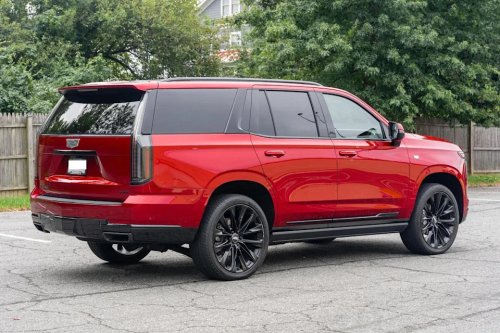
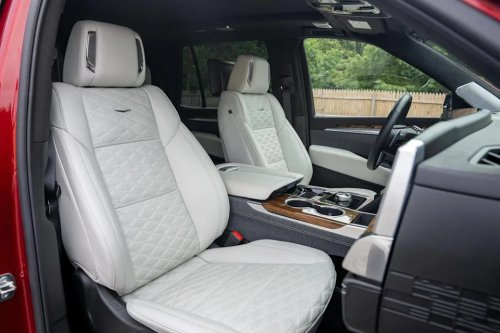
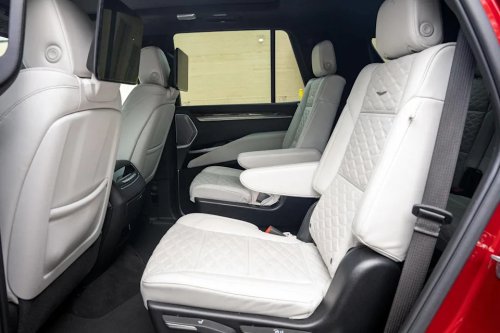
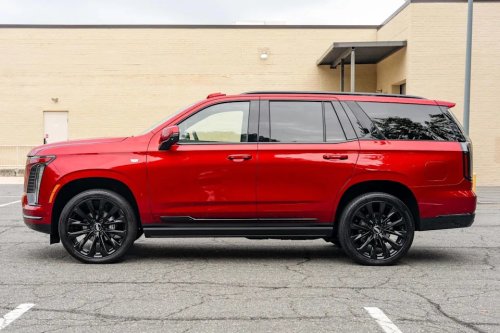
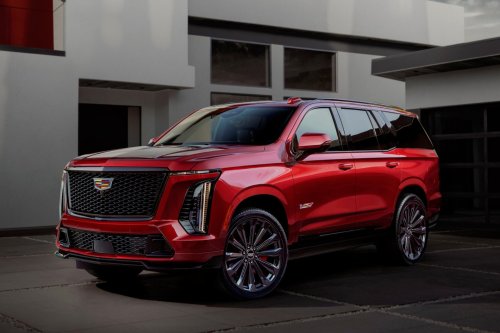
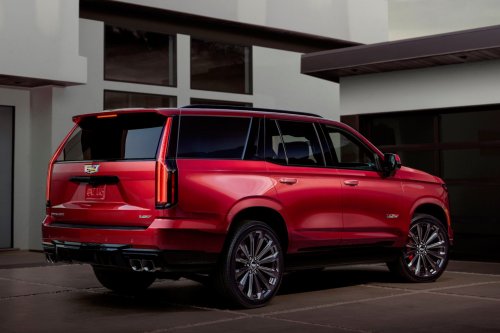
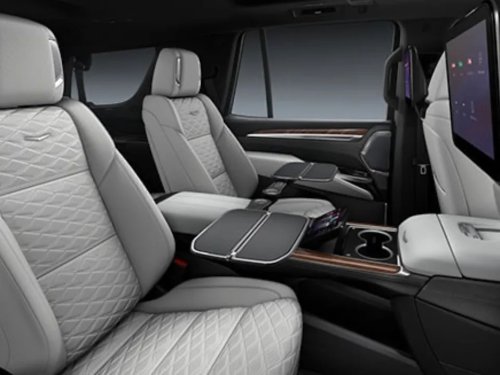
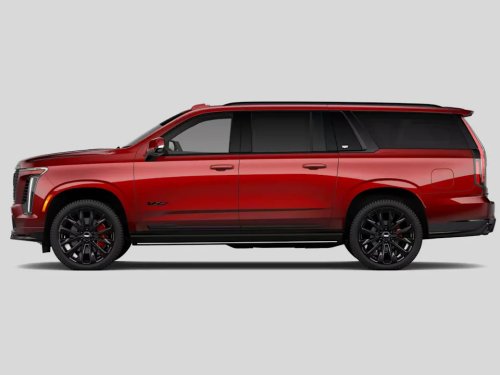
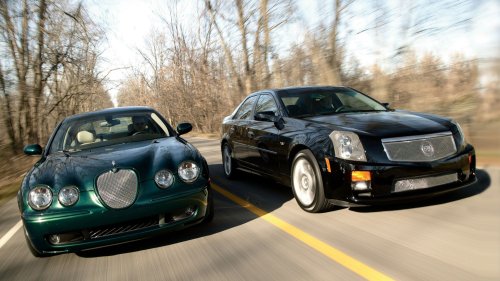
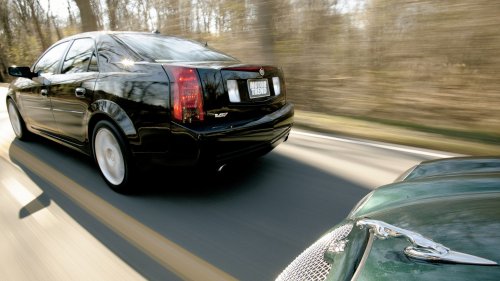
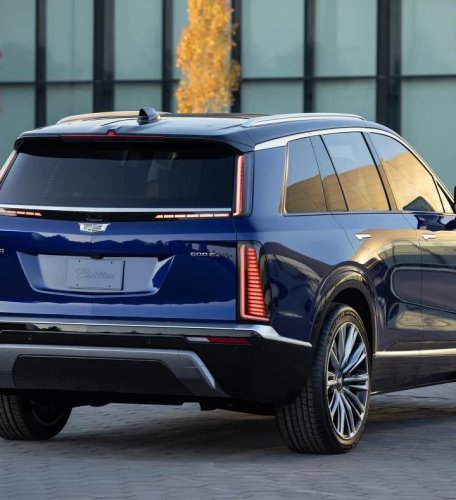
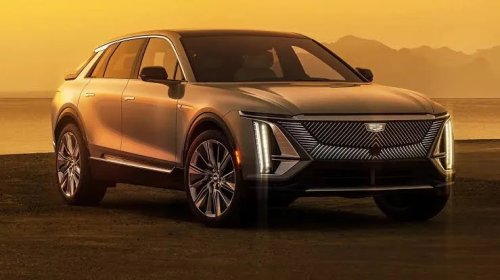
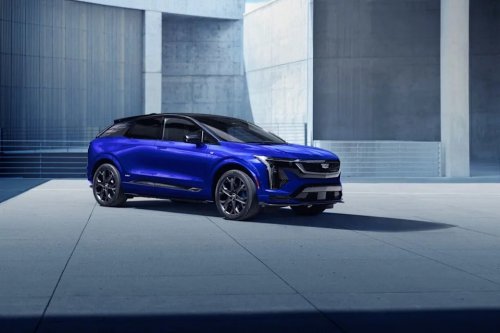
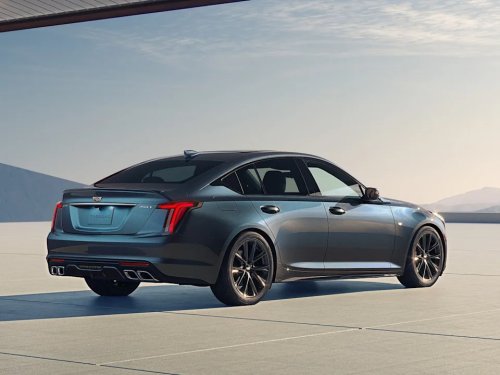
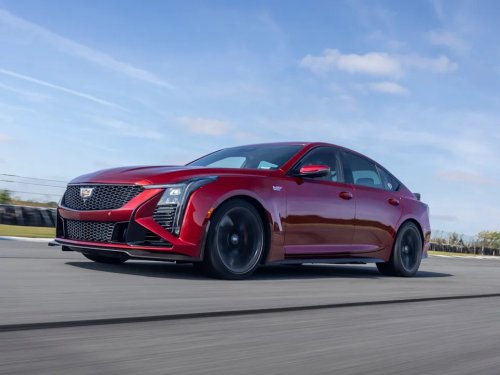
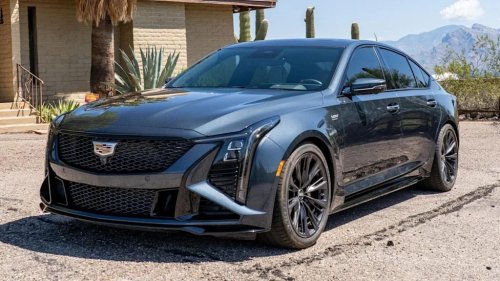
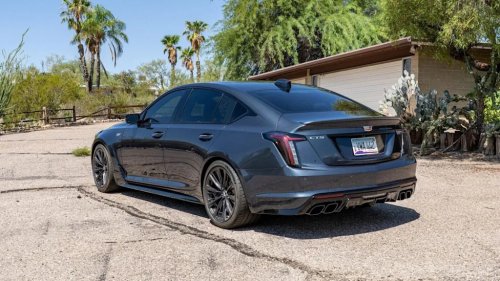
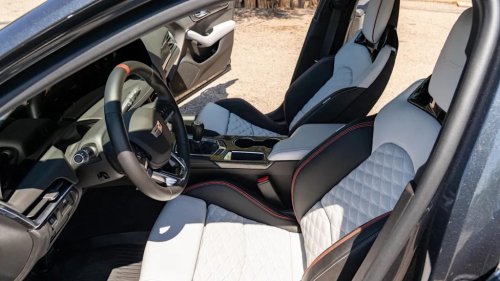
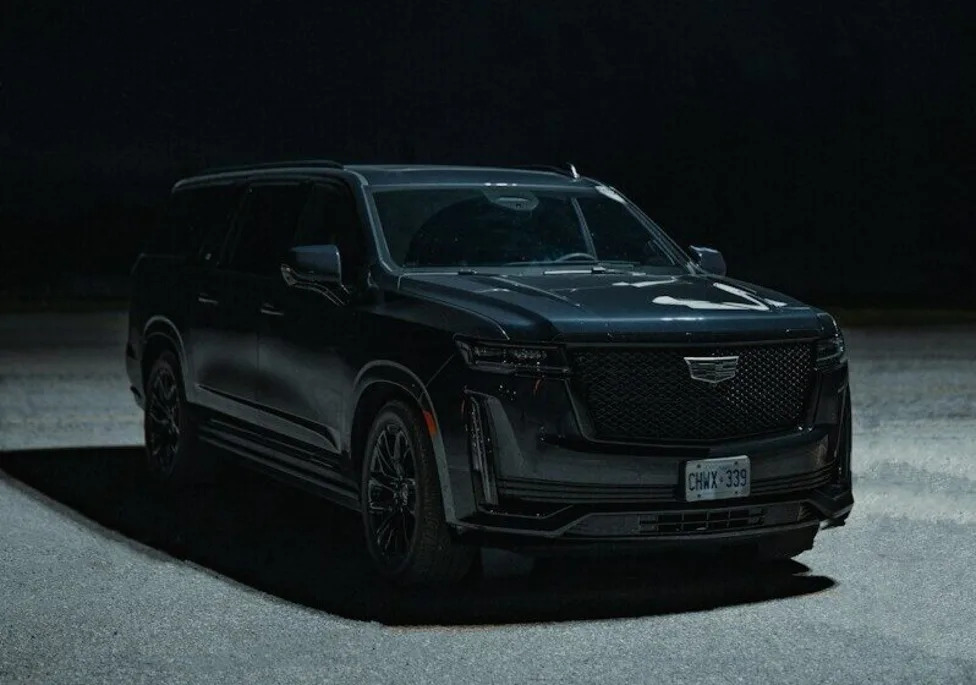
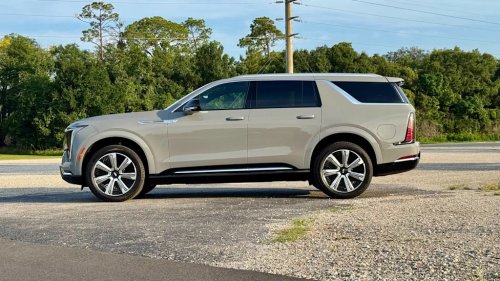
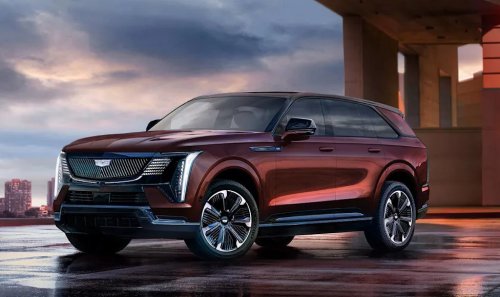
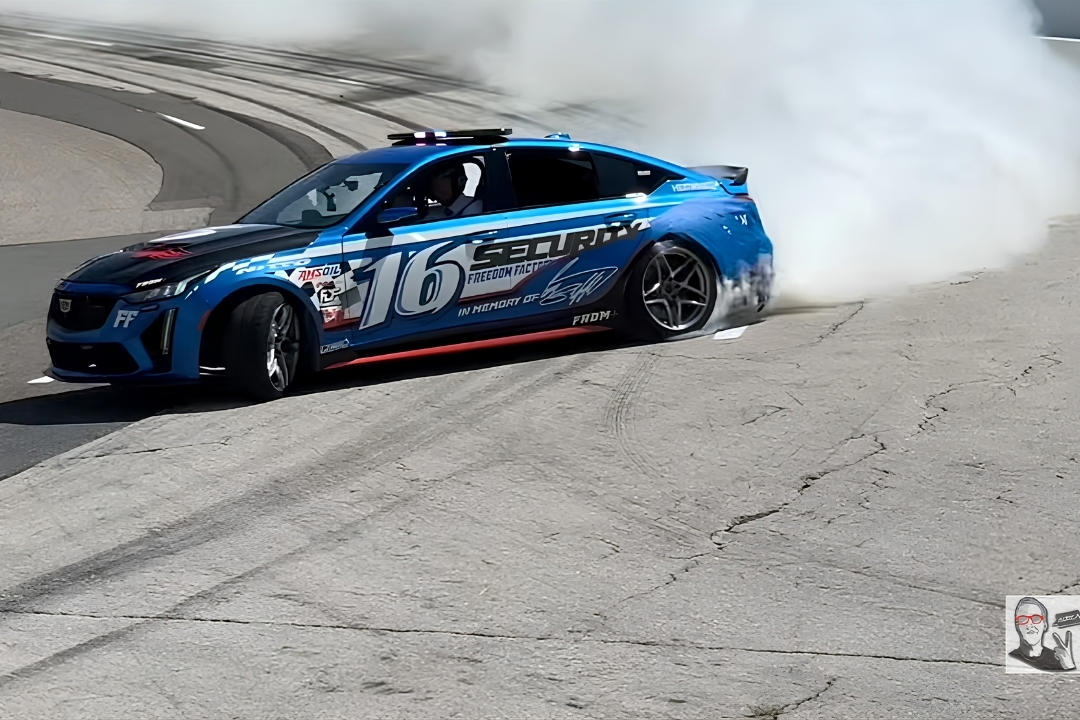
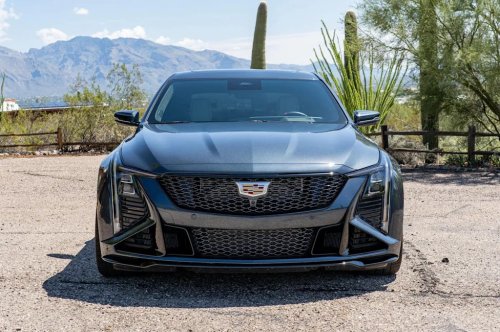
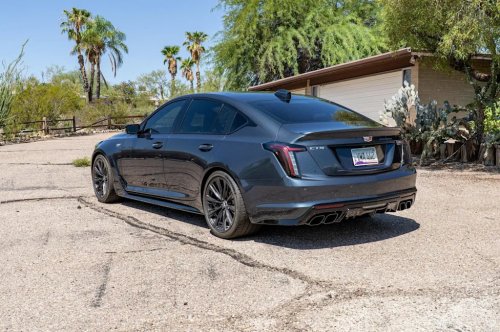
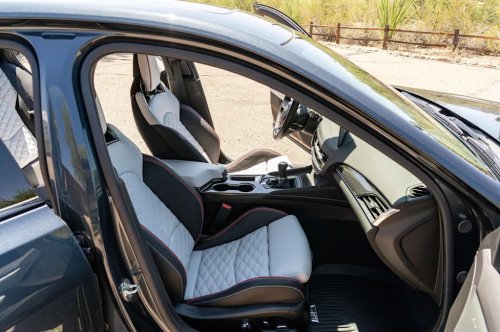
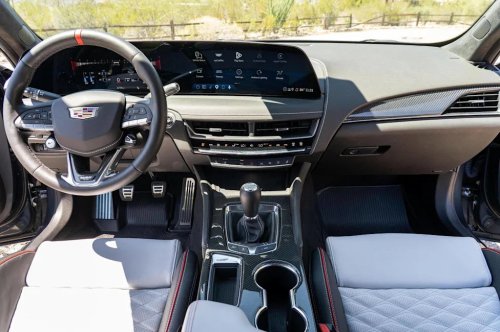
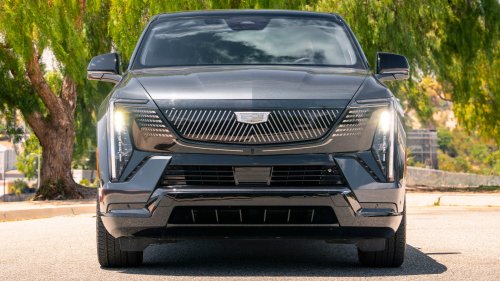
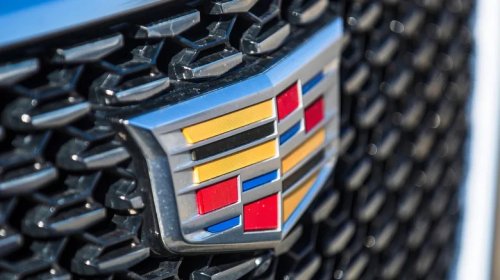
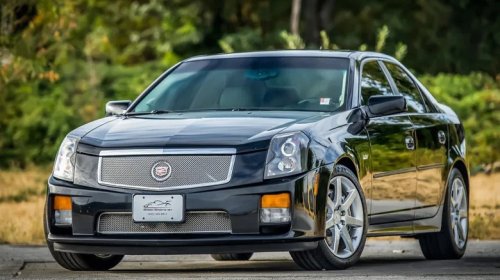
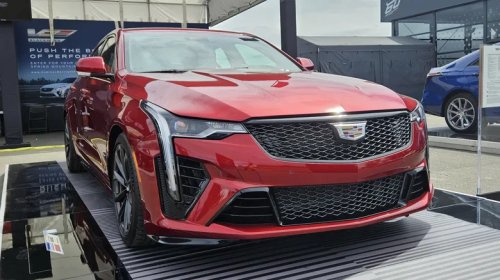
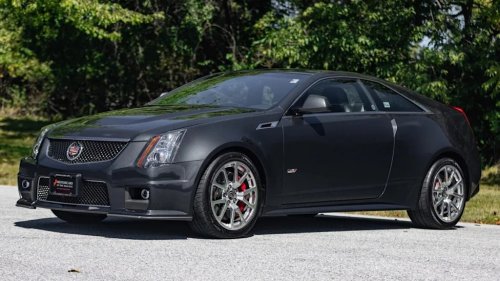
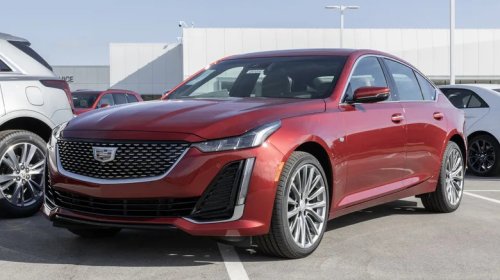
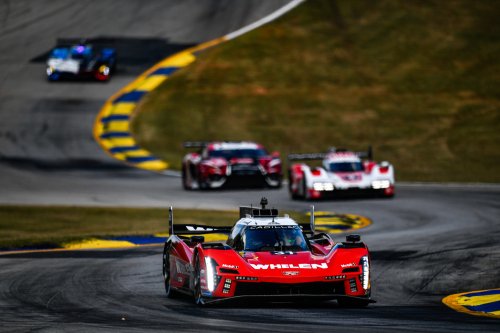
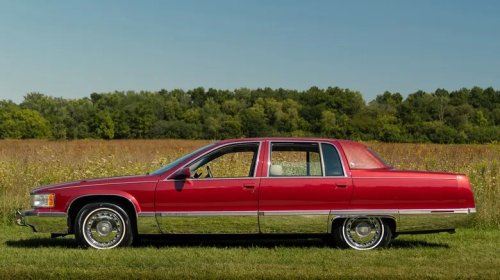
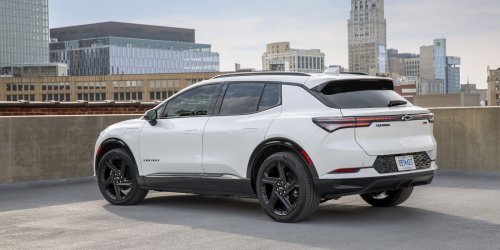
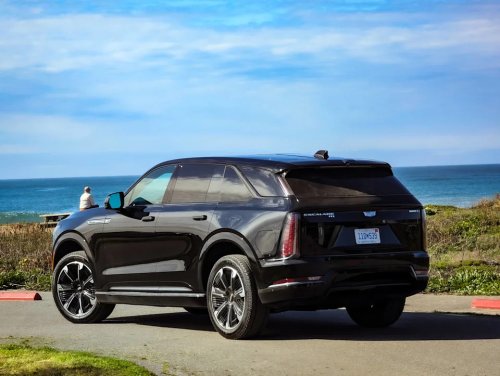
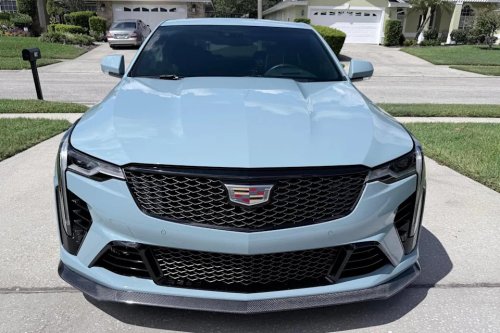
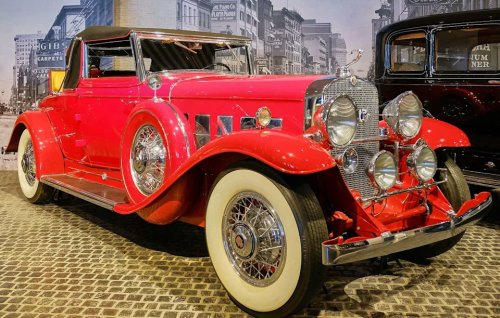
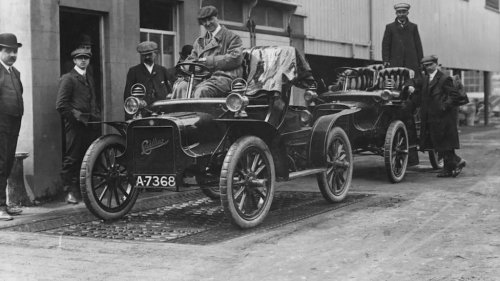
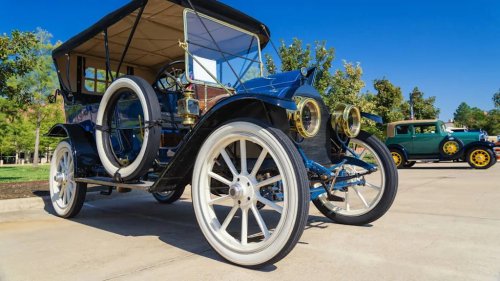
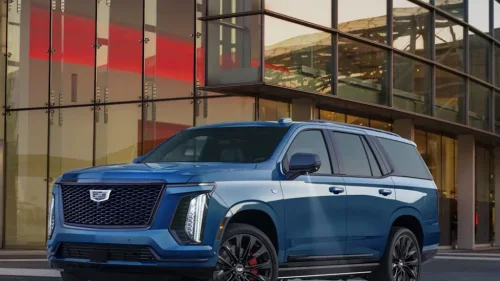
Autoblog and Yahoo may earn commission from links in this article.Cadillac didn't just follow luxury trends, it defined them Cadillac isn't just a participant in American automotive luxury cues; it's the origin point. The brand's luxury has always differed from the restrained engineering elegance of European luxury manufacturers. While automakers like BMW lean toward sporty, performance-tuned dynamics, Cadillac emphasizes comfort and brazen American styling. Cadillac was founded in 1902, and General Motors (GM) purchased the company in 1909. Over the next two decades, Cadillac would achieve milestones like introducing the first mass-produced V8 engine and over 500 color and upholstery combinations. In the 1930s, Cadillac became the world's first manufacturer of a V16 engine for passenger cars, generating 160 horsepower, and a V12 powertrain that produced 135 horsepower. The brand would really hit its stride after World War II. In 1948, Cadillac became the first automaker to integrate tailfins onto a production car, and the Coupe de Ville, released in 1949, became a 1950s trendsetter. We're just scratching the surface of how Cadillac helped write America's luxury playbook. Learn more about Cadillac's precision, scale, tech, and industry presence below, and how its influence still echoes through modern luxury design.GettyPrecision as prestige: the brand that made engineering feel luxuriousCadillac's early obsession with standardization and interchangeable parts became a cornerstone of its luxury playbook, spreading throughout America. This approach allowed Cadillac to streamline repairs and maintenance, lay the groundwork for modern automotive mass production techniques, and craft each component with a focus on quality and durability. Before Cadillac's emphasis on standardization and interchangeability, the overarching view was that mass-produced vehicles couldn't achieve high quality and durability. Today, any driver wants reliability, but reliability is often tied to the economy class. However, precision manufacturing from Cadillac's founder, Henry M. Leland, helped turn reliability into a status marker. In 1907, Frederick Bennett, an Englishman who served as the British agent for the Cadillac Motor Car Company in Detroit, Michigan, witnessed Cadillac's precision manufacturing in Detroit and was amazed by what he saw. Bennett convinced the Royal Automobile Club to sponsor a test of the precision of automobile parts, which took place in February 1908. While all automakers at the time were invited, only Cadillac participated. It was awarded the club's Dewar Trophy, considered in the young automobile industry to be almost the equivalent of a Nobel Prize, according to EBSCO.AdvertisementAdvertisementRelated: I Drove the 2026 Cadillac Optiq: Here's My Honest Review of Cadillac's Compact Luxury EVGettyCadillac turned scale into proportion, and excess into intent America has long been associated with the "bigger is better" mentality, but Cadillac (especially under designer Harley Earl, refined this philosophy in automotive design with a more disciplined approach. Instead of simply being rooted in excess, Cadillac developed a luxury design language through deliberate choices in areas like visual weight, hoods, stance, and proportion. Harley Earl's 1927 Cadillac LaSalle, the first production car styled by a professional designer, exemplified these deliberate choices by pushing the industry toward wider, more aerodynamic designs. The LaSalle was also one of the first vehicles to offer extensive paint options with Duco paint technology for vibrant, multi-tone schemes.Need new tires? Save up to 30% at Tire RackFind the perfect tires for your exact vehicle and driving style. Click here to shop all top-tier brands, including Michelin, Bridgestone, and more, directly at Tire Rack.GettyView the 2 images of this gallery on the original articleThe tailfin era wasn't just excess, it was branding at full volumeSome might purely view Cadillac's tailfin era as flamboyance, but it was primarily identity-building. Historians commonly cite the tailfin era's inspiration as Harley Earl sending a group of his top stylists to Selfridge Air National Guard Base in Michigan in 1939 to look at the army's new Lockheed P-38 fighter. The plane's appearance struck designer Franklin Quick Hershey, and its visuals stayed with him until he was discharged from the Navy in 1944 and returned to GM. To finish the 1948 Cadillac lineup's long flowing side sweeps, Hershey topped rear fenders with fillips featuring taillamps, nicknamed tailfins. The design choice was intentional: GM sought to diminish the visual bulk of Cadillac's pre-war designs and lean into provocative styling, lifting post-war spirits. Nearly every automaker followed the tailfin trend, with the trend peaking in the late 1950s.GettyTechnology became a design feature, not just a spec sheet Cadillac has been an adopter of visible, user-facing innovation since the early 20th century. For example, the 1912 Cadillac Model 30 was the first production car with an electric self-starter, and in 1929, the Cadillac Series 341-B debuted the synchromesh transmission after 12 years of research. The synchromesh transmission meant drivers didn't have to shift to neutral before shifting to the next gear. Instead, they could push the clutch in and shift directly to the next gear. America also saw Cadillac introduce power windows, seats, and steering in the 1940s and 1950s, and in 1964, the brand released the first fully automatic AC/heater. What makes these tech innovations unique is that drivers could see and feel them, helping Cadillac define luxury as an experience.GMAdvertisementAdvertisementCadillac taught America that presence is the pointWhile Cadillac has lost the dominant status it held decades ago, its presence is so solidified that its badge alone evokes feelings of luxury. This presence is built upon a foundation of silhouette, visual authority, and user-facing innovation that diverges from understated European luxury cues. Cadillac's contemporary choices, such as vertical headlights and Art Deco-inspired, angular designs, are prime examples of elements that have influenced a shift from strictly European aesthetics in the luxury sedan and SUV markets. In other words, Cadillac's approach to presence hasn't just shaped its own lineup; it established a blueprint for American automotive luxury. Check out more features covering luxury automakers on Road Ethos, including Cadillac's entry into F1.Related: Is the 2026 Cadillac Lyriq-V Worth Almost $90k? A Week Revealed Its Strengths and WeaknessesThis story was originally published by Autoblog on Jun 23, 2026, where it first appeared in the Features section. Add Autoblog as a Preferred Source by clicking here.





















 +42 others