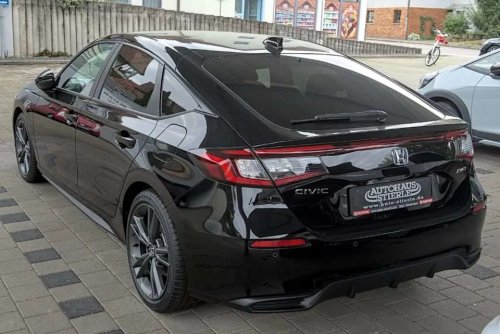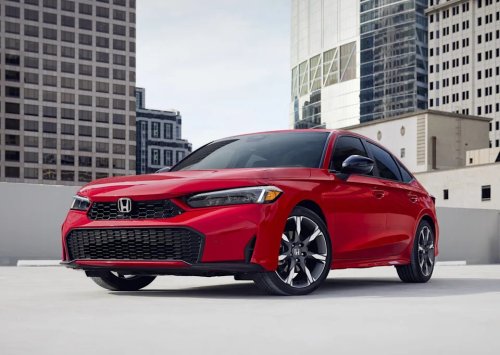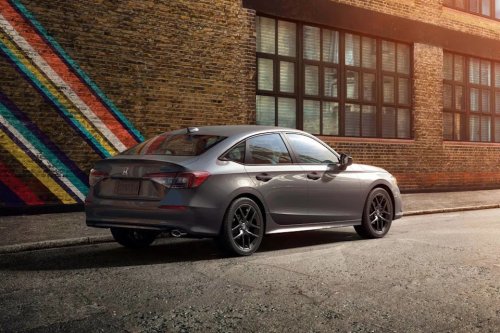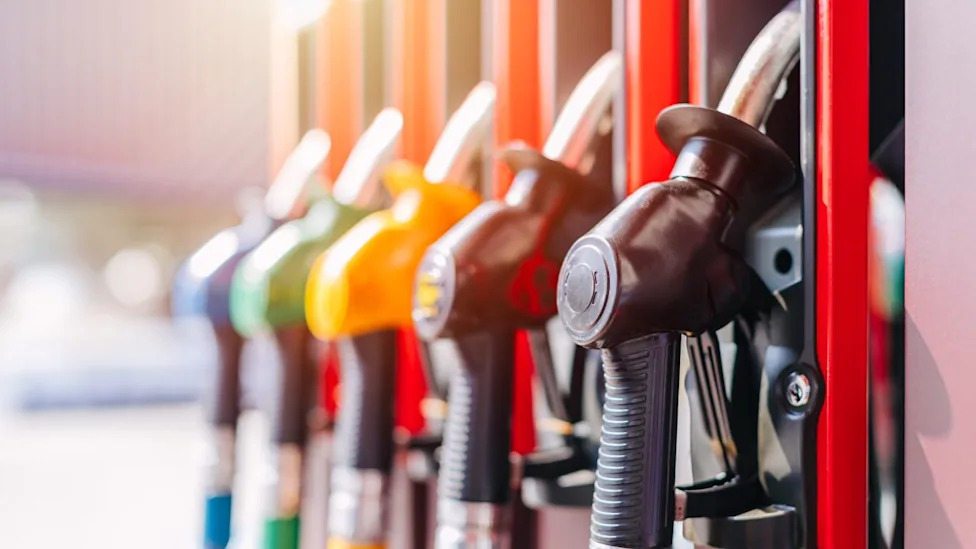



















Image Credit: Shutterstock.A routine trip to the gas station turned into an unexpected dilemma for one Honda owner after he noticed the fuel recommendation printed inside his vehicle's fuel door. What seemed like a simple fill-up quickly became a question that sparked debate among hundreds of thousands of viewers online.The driver shared his confusion in a TikTok video after realizing his Honda recommends 91-octane gasoline, but the local station only offered 87, 89, and 93 octane options. Without a 91-grade pump available, he asked fellow motorists which fuel they would choose.The short clip quickly gained attention, generating a lengthy discussion about octane ratings, engine performance, and whether paying extra for premium fuel is actually worthwhile.AdvertisementAdvertisementAs it turns out, the answer depends on understanding the difference between "recommended" and "required."Recommended Doesn't Mean RequiredThe fuel label on the Honda specifies 91 octane as the recommended grade while listing 87 octane as the minimum acceptable fuel.That distinction is worth paying attention to. When a manufacturer recommends premium fuel instead of requiring it, the engine is designed to safely operate on regular gasoline. Modern engine management systems automatically adjust ignition timing if lower-octane fuel is detected, helping prevent engine knock.The tradeoff is that the engine may produce slightly less power and experience a small reduction in fuel economy compared with running on the recommended premium grade.Why Some Stations Don't Sell 91 OctaneThe lack of a 91-octane option isn't unusual in many parts of the United States. Fuel grades vary depending on region, with local demand and elevation playing a role in what stations offer.AdvertisementAdvertisementIn much of the eastern and southern U.S., premium gasoline is typically sold as 93 octane. Meanwhile, many higher-altitude states use 91 octane as their premium fuel because thinner air reduces the likelihood of engine knock.For that reason, automakers often recommend 91 octane since it represents the minimum premium grade widely available across the country.Is Premium Fuel Worth the Extra Cost?Photo Courtesy: Shutterstock.Consumer testing suggests the answer isn't always straightforward. A study conducted by AAA found that vehicles designed to run on premium but capable of using regular gasoline saw only modest gains when fueled with higher-octane gas.Across several test vehicles, premium fuel improved fuel economy by an average of 2.7 percent while increasing horsepower by roughly 1.4 percent.AdvertisementAdvertisementAAA concluded that those relatively small improvements generally do not outweigh the higher price of premium gasoline for everyday driving.The organization noted that the benefits become more noticeable during demanding situations such as towing, carrying heavy loads, or repeated hard acceleration.So Which Pump Should Drivers Choose?For vehicles that recommend—but do not require—91 octane, using 87 remains safe because it meets the manufacturer's minimum specification. The vehicle's engine control system is designed to compensate automatically when lower-octane fuel is used.Choosing 93 octane is also perfectly acceptable. Although it exceeds the recommended rating, higher-octane fuel will not damage the engine. However, drivers generally shouldn't expect additional performance or efficiency gains beyond what the manufacturer intended with 91 octane.AdvertisementAdvertisementMid-grade 89 octane falls somewhere in between and is often created at the pump by blending regular and premium gasoline rather than being stored separately.A Simple Question With a Complicated AnswerThe Honda owner's brief video highlighted a question many drivers have likely asked themselves when standing at the pump. While the different octane ratings can seem confusing, the manufacturer's wording provides the key.If premium fuel is recommended, using regular gasoline won't harm the engine as long as it meets the listed minimum octane. Drivers looking to maximize the engine's intended performance can choose the available premium option, even if it's 93 instead of the recommended 91, while those prioritizing lower fuel costs can confidently use regular without risking engine damage.If you want more stories like this, follow Guessing Headlights on Yahoo so you don't miss what's coming next.