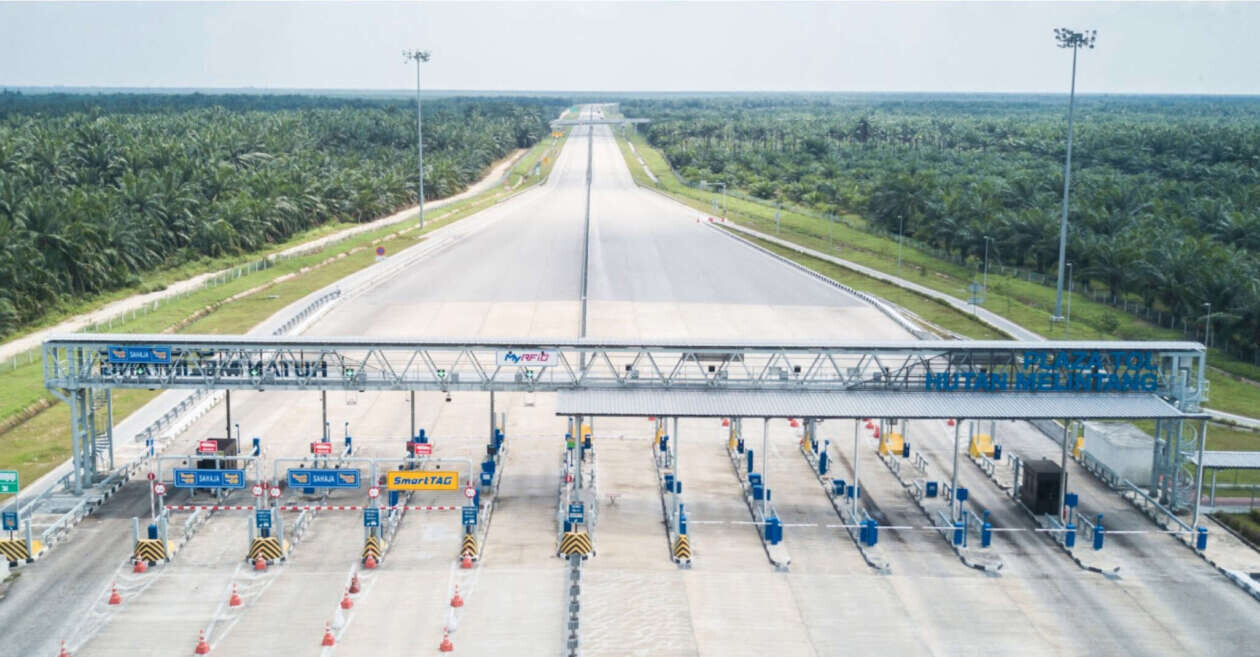
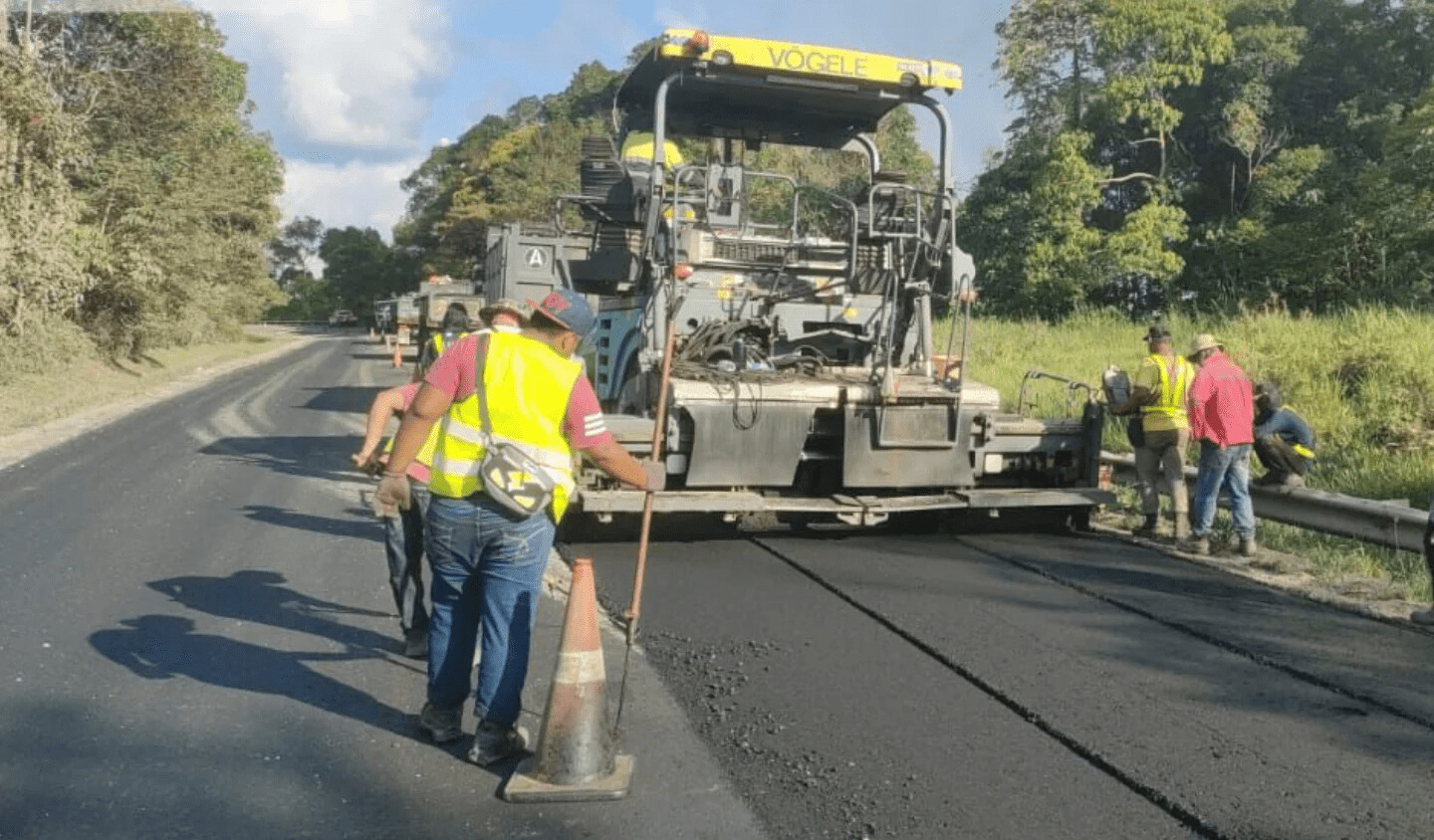
Despite prolonged delays, the government said it cannot arbitrarily terminate contracts awarded to contractors for the Sabah Pan Borneo Highway project without following established procedures and legal requirements, as doing so could bring about legal action and damage claims. According to works minister Datuk Seri Alexander Nanta Linggi, contract termination was not a decision that can be taken lightly, as contractors had legal rights, including the right to apply for an extension of time (EOT) if project delays were caused by factors beyond their control. These include delays in site handovers arising from the government’s failure to finalise compensation payments for land acquisition, Bernama reports. “If the (state) department of lands and surveys has not settled land acquisition compensation, contractors cannot access the site, because landowners will not allow them to do so. In such cases, they are indeed entitled to claim an extension of time. We cannot simply terminate contracts at will. If we fail to comply with proper governance or legal requirements, they could take us to court and claim damages, which the government would then have to pay,” he explained. Elaborating on the Sabah Pan Borneo Highway Phase 1 project, which the 2026 auditor-general’s report highlighted for its slow progress, Nanta explained that the figure reflected the combined performance of all 35 work packages under Phases 1A and 1B. He said Phase 1B, comprising 19 work packages, only commenced in September 2024, but had already achieved 26% physical progress and 23% financial progress. “As for Phase 1A, comprising 15 packages, which began much earlier, I acknowledge that there were serious shortcomings. However, physical progress has now reached 90%, with four packages fully completed,” he said. “The packages experiencing significant delays are Packages 1 and 2, located near the Sarawak border. If all 35 packages are combined into a single dataset, the overall progress percentage is inevitably pulled down by the problematic packages under Phase 1A,” he added. Last month, Nanta said that project delays were caused, among others, by a number of factors. These included the change in the implementation method from the project delivery partner (PDP) model to the conventional method, the Covid-19 pandemic, land acquisition issues, utility relocation and contractor performance. Nanta said the ministry had accepted the findings and observations in the A-G’s report without taking a defensive stance. The ministry had also reorganised the deployment of public works department (JKR) Sabah personnel to improve project administration and implementation on the ground, and was targeting completion of the entire Pan Borneo Highway project by 2030.

 Liked by Daniel Walker, Madeleine King













 Liked by Daniel Walker, Madeleine King


