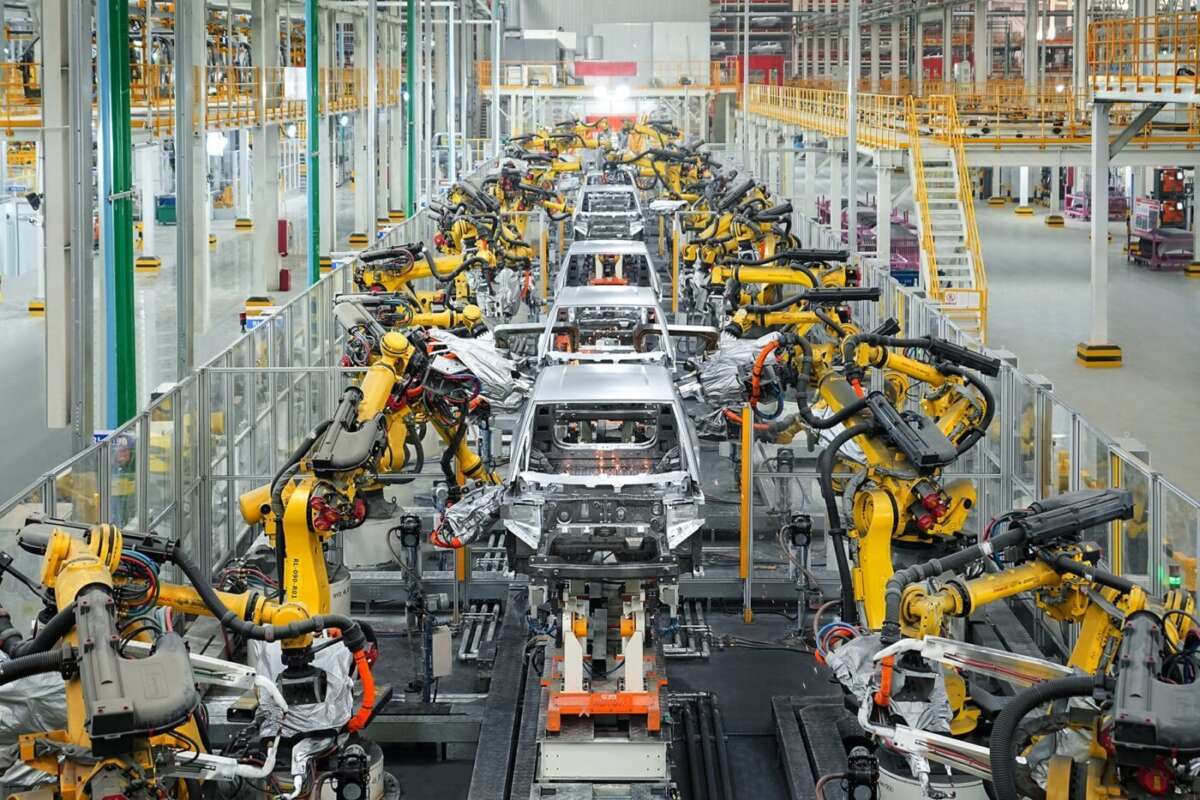
According to a report by Bernama, the government is formulating improvements to the electric vehicle (EV) incentive mechanism to align it with the goals of the National Automotive Policy 2020 (NAP 2020) as well as the New Industrial Master Plan 2030 (NIMP 2030). Deputy investment, trade and industry (MITI) minister Sim Tze Tzin said the improvements will prioritise local vendor participation, technology transfer and the development of a highly skilled workforce. Additionally, export performance will be a key condition for EV incentives. “Under the existing incentive mechanism, the government requires investors to undertake localisation by sourcing from local suppliers,” Sim said during a Q&A session in the Dewan Rakyat today. He was responding to Rodziah Ismail (PH-Ampang), who asked whether the government was prepared to make domestic value creation, including technology transfer, high-skilled employment, local vendor participation and exports as additional performance conditions for EV incentives rather than relying solely on investment commitments. This is in light of BYD’s decision to engage with a local partner instead of setting up its own manufacturing operations here. Sim pointed out that the government’s main objective was to ensure that Malaysia did not merely serve as an EV consumer market, but also reaped long-term benefits through the development of technological capabilities and stronger local supply chains and vendors. In line with the targets of NAP 2020 and NIMP 2030, this would also involve creating quality jobs and increasing exports.

 Liked by Ava Lewis, Benjamin Scott












 Liked by Ava Lewis, Benjamin Scott