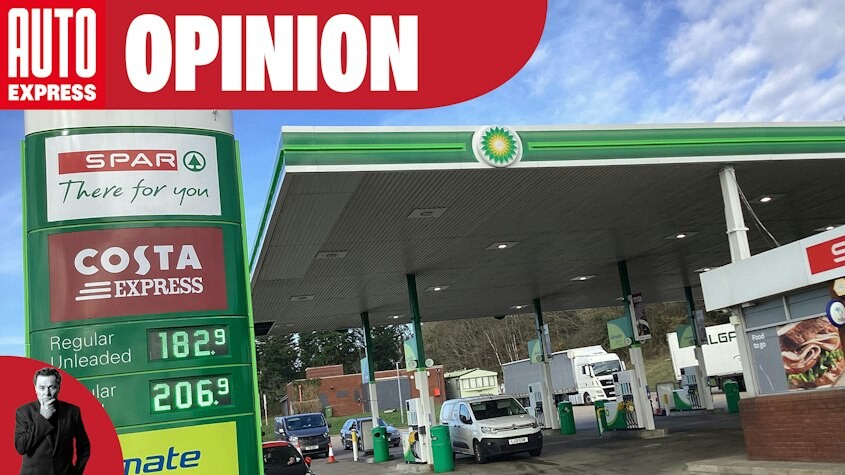
Amelia Roy · 2 months ago@ameliaroy265Gas Surges Back Above $4 Per Gallon Liked by+49 othersPost commentRelated PostsIn Europe, EVs are 33% cheaper to run than gas cars as fuel nears $9 a gallon 46 · Zoë Green · 1 months ago4 Car Brands Bringing Back The Inline-6 Engine 27 · Isabelle Rogers · 3 months agoTrump to Host Big Oil CEOs as Gas Price Average Remains Over $4 a Gallon 91 · Camille King · 1 months agoThe Polestar 4 Ditched Its Rear Window, Its New SUV Twin Puts It Back 37 · Oliver Bouchard · 3 months agoJeep Grand Cherokee Trailhawk, Overland 4×4 Models Are Back for 2027 65 · Benjamin Brown · 4 months agoFreedom Fuel Stations Pull $3.47 A Gallon Gas Offer Right As National Average Passes $4.00 30 · Mia Hall · 2 months agoJeep Grand Cherokee Trailhawk, Overland 4×4 Models Are Back for 2027 20 · Jackson Wilson · 4 months agoForget Bugatti, Chery's Tiggo 4 is a car I didn't want to give back 33 · Daniel Côté · 4 months agoNissan’s Turbocharged 4-Cylinder Is Holding It Back 55 · Lily King · 5 months agoCalifornia’s Gas Tax Hits A Record 63.4 Cents A Gallon On July 1 35 · Madeleine Gagnon · 3 months agoTop 10 4×4 rigs that never backed down 43 · Benjamin Scott · 1 years agoTrump Sanctions Leave Cubans Waiting Months Via App For A Measly 5 Gallons Of Gas 33 · Daniel Smith · 4 months agoHyundai Hybrid Sales Jumped 90% As Gas Climbed Past $4 A Gallon 10 · Logan Rogers · 4 months ago11 Strategies to Stretch Every Gallon With Gas Prices Hitting New Highs 30 · Kayla Mitchell · 4 months agoTrump Wants To Suspend Federal Gas Tax And Hand Drivers Over 18 Cents A Gallon 23 · Madeleine King · 5 months agoGas Skyrockets Nearly A Dollar A Gallon In Just A Week In Michigan 32 · William Côté · 5 months agoWhen Gas Hits $10 A Gallon, What Road Trip Is Still Worth Taking? 33 · Hannah Rogers · 5 months agoDrive less, says Chevron exec as gas tops $4 a gallon 40 · Justin Poirier · 6 months agoGas Crossed $4 A Gallon. What Would You Drive If It Was Free? 22 · Lucas Campbell · 6 months agoWith diesel prices at almost £11 per gallon, the Gov must lower the VAT rate at the pumpsJenna Girard · 4 days ago




 +49 others