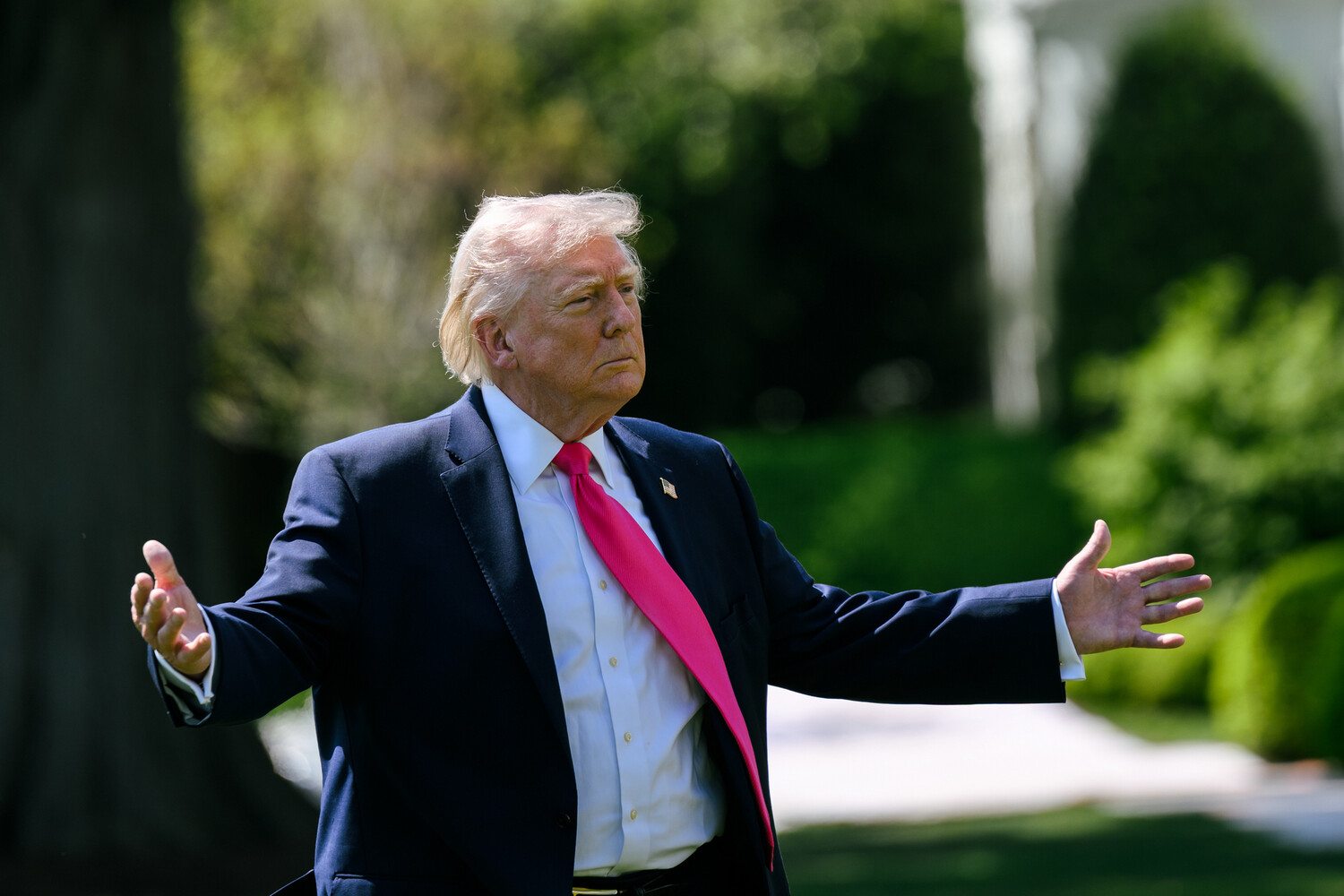
William King · 5 months ago@williamking54Democrats Rarely Back Trump’s Tariffs, Until China’s Automakers Came Up Liked by+38 othersPost commentRelated PostsDodge Tried to Fix Flying Durango Spoilers, but the Problem Came Back 75 · William White · 1 months agoTrump policy whiplash could slam Japanese carmakers for $40 billion on tariffs, EVs, emissions 24 · Grace Lee · 4 months agoCamaro Came Out to Back the Heroes 82 · Lauren Rogers · 2 months agoTrump’s 25% European Car Tariff Threat Didn’t Even Last A Week 20 · Noah Rogers · 5 months agoAutomakers Killed Sedans For SUVs, Now They Want Them Back 28 · Kayla Harris · 6 months agoThe Jeep Cherokee Just Came Back and It’s Already About to Be Replaced 57 · Lucas Wilson · 2 months agoToyota’s Record Sales Year Couldn’t Outrun Trump’s $8.8 Billion Tariff Bill 91 · Morgan White · 5 months agoGrandpa’s Blown 1974 Honda CB500 Came Back As A Sneaky Electric Bike 42 · Logan Brown · 2 months agoTrump Makes Good On Promise To Hike Tariffs On European Cars To 25% 82 · Mia Tremblay · 5 months agoChrysler Rejected This Lamborghini Design, So It Came Back With 16 Cylinders And 4 Pop-Up Lights 84 · Carter Bouchard · 2 months agoTrump’s Tariff On European Cars Was 15% On Friday, He Wants 25% By Next Week 12 · Mason Bouchard · 5 months agoThe Lamborghini Driver Who Outran Two Departments Came Back To A Trap Under His Car 34 · Madeleine Côté · 3 months agoAutomakers Expect $2.3 Billion In Tariff Refunds Whether Trump Likes It Or Not 43 · Amelia Bouchard · 5 months agoClassic Recreations Was Dead and Buried, Then It Came Back Charging $725,000 for a Carbon Fiber Mustang 69 · Oliver Moreau · 4 months agoClassic Recreations Beat Bankruptcy And Came Back Building $725,000 Mustangs 71 · Alexander Martin · 4 months agoTrump Said Tariffs Hit Foreign Countries, But The Refund Checks Are Going To US Importers 59 · Lucas Wilson · 6 months agoSleeping Giant: How a 1969 Camaro SS Came Back From 22 Years of Darkness 35 · Ryan Morgan · 4 months agoBig Three Automakers Accuse The EU Of Blocking Full-Size Truck Imports And Going Against The 'Spirit' Of Trump's Tariff Deal 34 · Thomas Leblanc · 6 months agoPontiac’s 1955 Chieftain Came Back With A 509ci V8 And No Mercy 39 · Amélie Fortin · 4 months agoTrump reimposes 25% tariffs on Malaysian-made goods to the US, although semiconductors exempted 53 · Mason Walker · 1 years ago


 +38 others