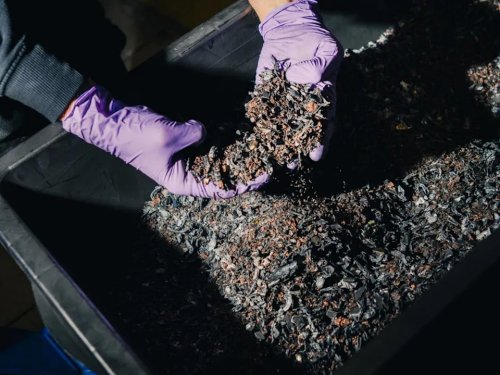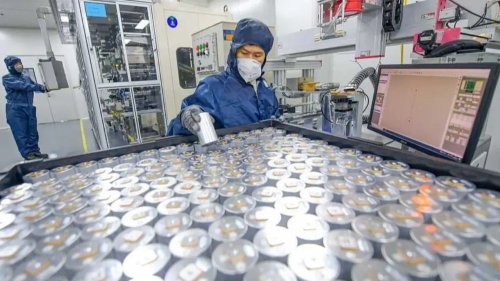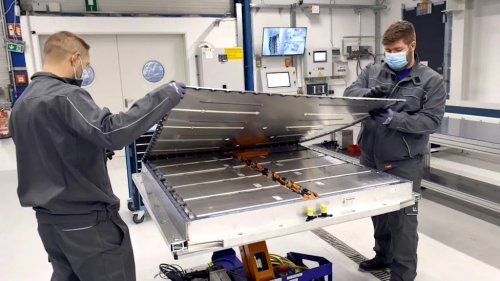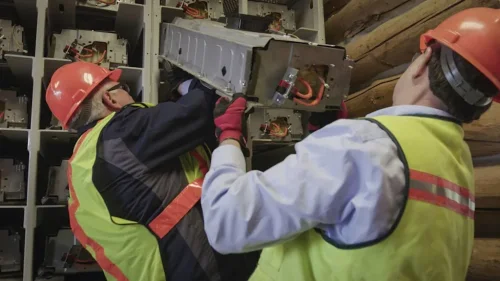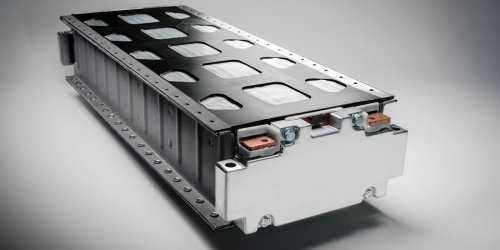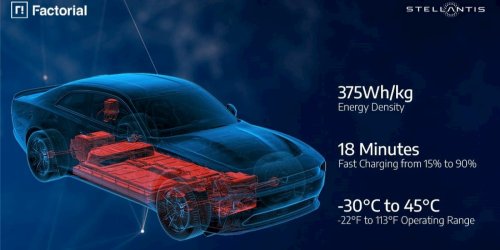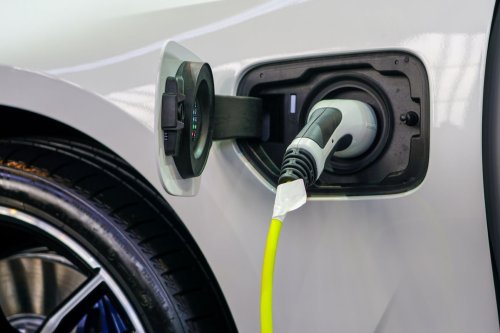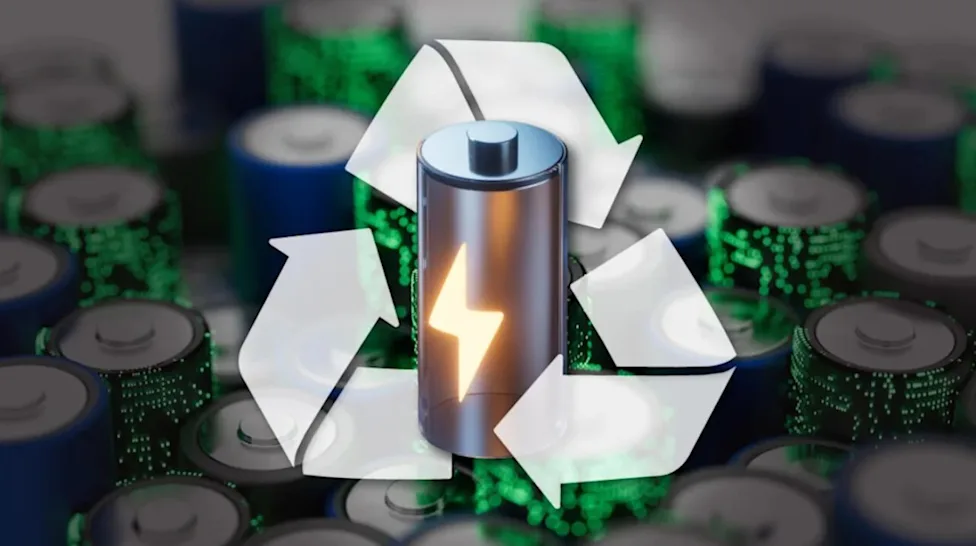



















Image: Shea Oleksa / Cornell UniversityYour EV battery doesn't die because the core materials are spent. It dies because a thickening insulating layer — called the solid electrolyte interphase, or SEI — slowly strangles performance over years of charging cycles. Cornell University researchers have figured out how to wash that crud off. Their process, Direct Electrode-to-Electrode Regeneration (DEER), drops spent battery electrodes into an electrochemical bath, strips the performance-killing buildup, and reassembles them into cells recovering up to 95% of original capacity. The peer-reviewed results landed June 9, 2026 in Energy & Environmental Science.The Shredder ProblemStandard battery recycling destroys the very thing worth saving.Right now, recyclers grind entire battery packs into "black mass," then run it through high-heat smelting or acid leaching to claw back raw metals. Both routes are energy-hungry, emissions-heavy, and obliterate electrode structures that still hold real value. DEER skips the shredder entirely. ReCell Center analysts at Argonne National Laboratory published those projections alongside the Cornell team's June findings, showing DEER cuts recycled cell manufacturing costs by roughly 56% while also reducing energy use, emissions, and water consumption.AdvertisementAdvertisement"We repair them, as is, without shredding or powdering them, and then put them back into a new battery. It shows 95% recovery. So we are shortening the circularity loop immensely." — Vibha Kalra, Cornell University.How the Bath Actually WorksA specialized solvent dissolves the performance-killing buildup while leaving electrodes intact — and sometimes better than before.The solvent — mercifully abbreviated DMI after its first mention — dissolves the thick, inactive SEI layer clogging both cathode and anode. What remains is a thin, stable interphase that actually improves cycling stability beyond the original cell's performance. Think of it like descaling a neglected espresso machine, except the machine comes back pulling better shots than it did on day one.What This Means for Your EVBatteries retired at 70–80% health could get a second and even a third life.AdvertisementAdvertisementEV packs typically retire at 70–80% state of health — structurally sound, just choked. DEER targets exactly that window. After one regeneration and a full second service life, a battery treated again still holds roughly 90% of original capacity. That's a third life. For automakers carrying decade-long warranties — and anyone watching EV resale values depreciate faster than a decade-old smartphone — this matters enormously.The team is now scaling DEER to industrial and grid-scale formats while adapting it to address permanent lithium loss, a degradation mode the current bath can't yet fix. Cornell has filed for IP protection, signaling commercial licensing efforts are underway, though specific deals aren't public yet.If DEER scales, "end-of-life" stops meaning what it used to. Batteries get regenerated rather than shredded, critical mineral demand softens, and the EV you buy today potentially outlasts your neighbor's twice over. That's a supply chain shift worth watching closely.From the coolest cars to the must-have gadgets, GadgetReview's daily newsletter keeps you in the know. Subscribe - it's fun, fast, and free.