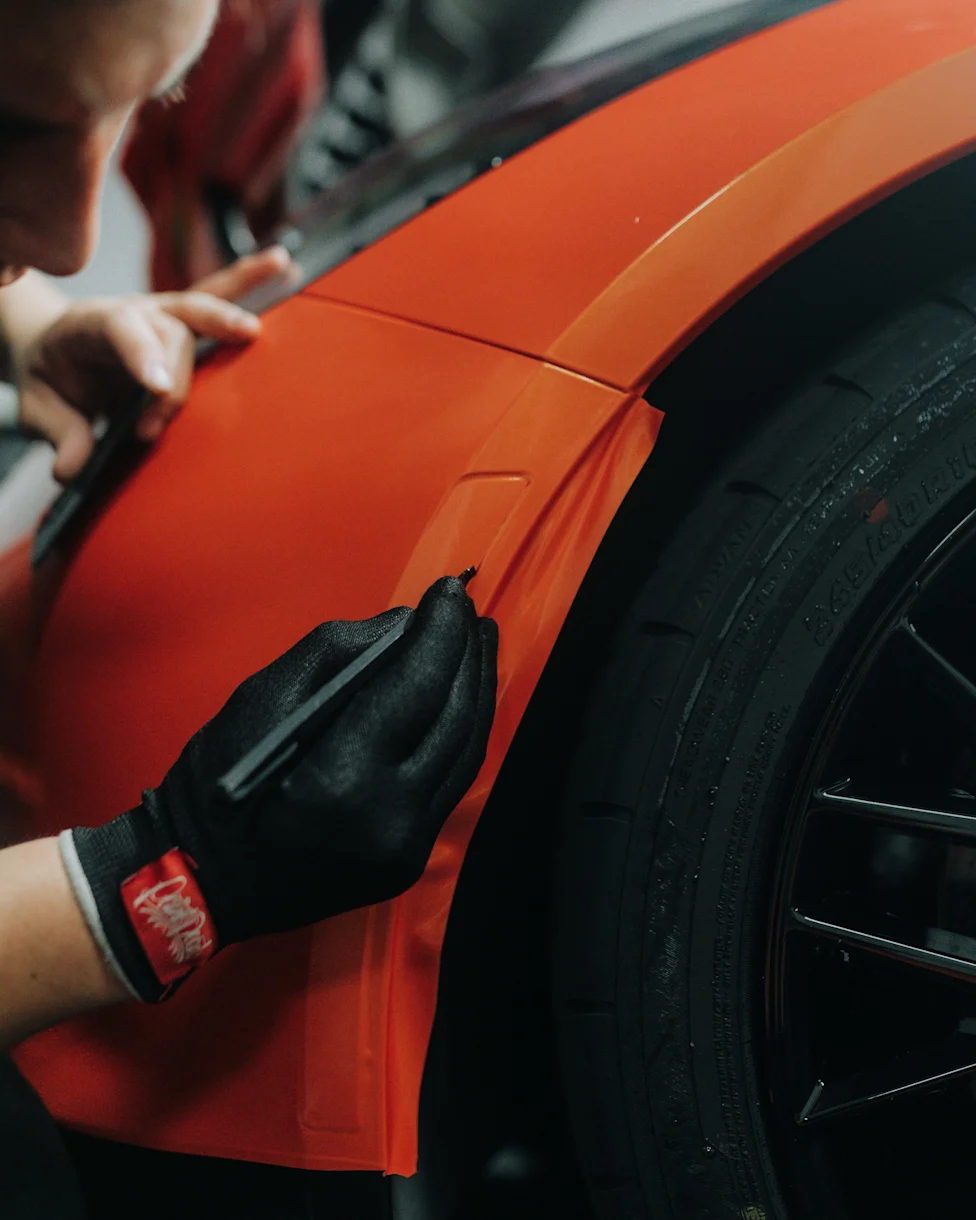
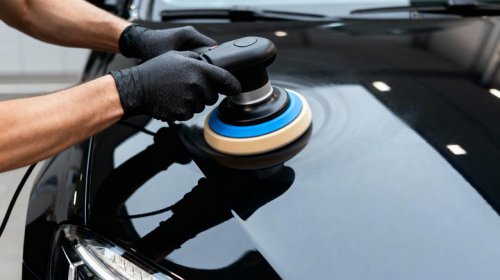
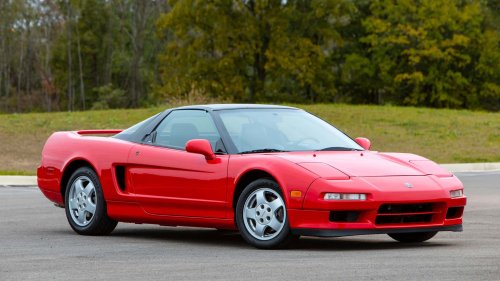
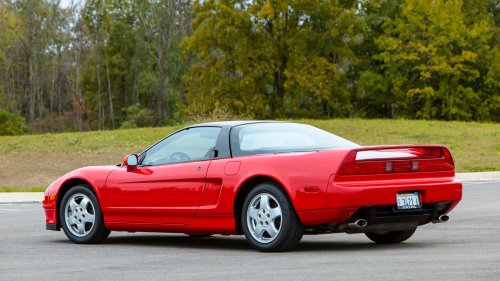
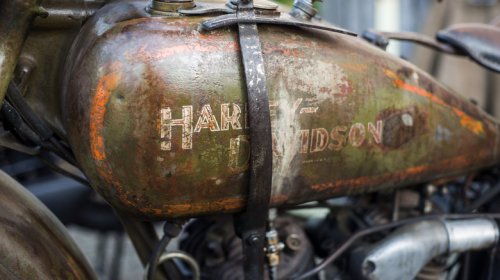
Color-Change Wraps vs. Repaints: Which Is Right for Your ClassicChanging a car's color used to mean only one thing, a full repaint, but vinyl wrap technology has given owners a genuinely different option to consider. Choosing between the two comes down to more than just upfront cost.How Each Process Actually WorksA traditional repaint involves stripping or prepping the existing finish, applying primer, color coats, and clear coat, then wet-sanding and buffing to a final finish, a process that permanently alters the car's painted surface. A vinyl wrap, by contrast, applies an adhesive film over the existing paint, changing the car's appearance without permanently altering what's underneath.Comparing Cost and DurabilityA quality repaint generally costs more upfront but offers greater long-term durability, often lasting decades with proper care, while a wrap is typically less expensive initially but usually needs replacement within five to seven years depending on climate and care. Owners planning to keep a car long-term should weigh this lifecycle cost difference carefully.Reversibility Matters for Collector CarsA wrap can be removed to reveal the original paint underneath, provided that paint was in good condition before the wrap was applied, making it an appealing option for owners who want to experiment with color without a permanent commitment. This reversibility is particularly valuable for collector cars where preserving original factory paint carries real value.Quality Considerations for Each OptionA poorly executed repaint can result in orange peel texture, color mismatch, or premature clear coat failure, while a poorly installed wrap can bubble, lift at the edges, or show visible seams. In both cases, choosing an experienced, reputable installer matters more than the process itself.Which Option Fits Your GoalsOwners focused on preserving a numbers-matching or highly original car often prefer wraps specifically because they don't permanently alter the factory finish underneath. Those planning extensive bodywork anyway, or seeking maximum long-term durability, often find a quality repaint the more sensible long-term investment.Final ThoughtsBoth options can deliver a stunning color transformation, but they serve different priorities around cost, permanence, and preservation. Understanding those tradeoffs before committing helps ensure you're happy with the choice for years to come.Related ReadingThe Psychology of Car Color: What Your Paint Choice Says About YouAdvertisementAdvertisementMatching Interior and Exterior Colors: Why Factory Combinations MatterThe Art of the Frame-Off Restoration⚡️ Read the full article on MotoriousSign up for the Motorious Newsletter. For the latest news, follow us on Facebook, Twitter, and Instagram.