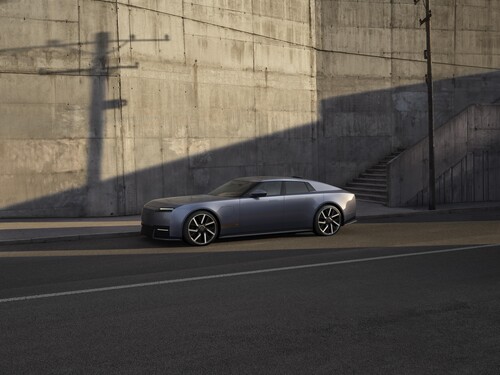
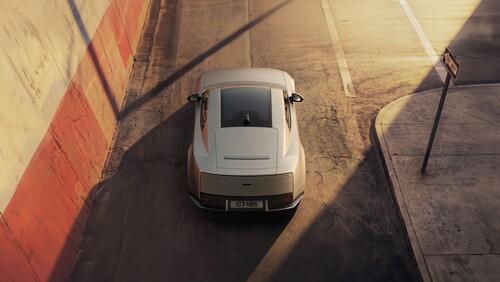
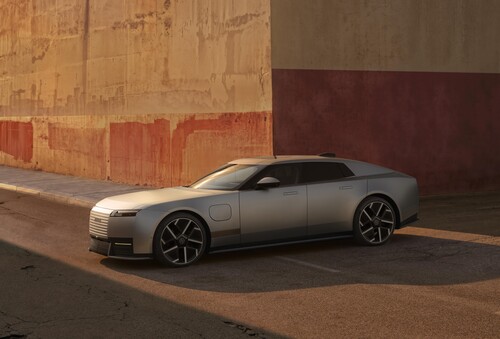
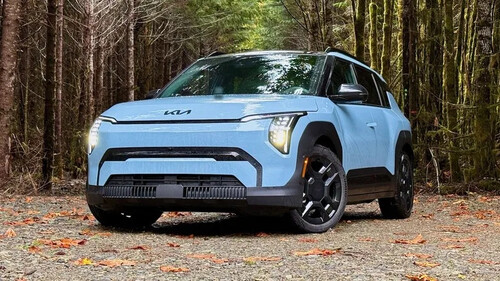
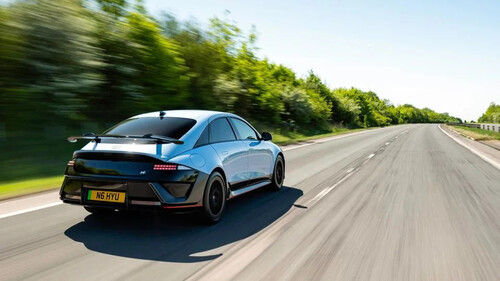
Lily Morgan · 2 months ago@lilymorgan284China study finds aggressive EV driving can wear batteries 2.5 times faster Liked by+68 othersPost commentRelated PostsDriving Your EV Like a Jerk Could Wear Out The Battery 2.5 Times Faster 79 · Lily Campbell · 2 months agoChina Automotive New Energy Signs Agreement with Leapmotor to Promote Battery Technologies 20 · Grace Wilson · 1 months agoChina's Draft Law Would Fine Automakers, Not Drivers, for Self-Driving Violations 25 · Madeleine Lewis · 1 months agoGas Prices Mean It Now Costs Six Times More To Drive a Regular Car 1,000 Miles Versus an EVOliver Bouchard · 18 days agoHigh-Mileage EVs May Be More Reliable Than Petrol Cars, Study Finds 27 · Sarah Tremblay · 1 months agoI Wear Motorcycle Jeans All The Time. But Are They Actually Safe? 90 · Ella Wright · 2 months agoChina, Sweden study ties early EV battery retirement to a small cluster of aging cells 26 · Samuel Girard · 1 months agoChina orders carmakers to prepare recall plans as part of year-long safety drive – report 12 · Mason Bouchard · 2 months agoJaguar's controversial Type 01 EV looks like a comic book villain would drive itLily Fortin · 20 days agoMassive UK study finds high-mileage electric cars more durable than petrol 18 · Zoë Hall · 1 months agoTesla Cybercab to Arrive in China for Display Only; Gotion Secures 6 GWh Saudi Energy Storage Deal; Hongqi Starts Production of 1st 800V Hybrid Battery 44 · Olivia Leblanc · 1 months agoKia’s New Low-Priced EV Brings Plenty of Charm, but We Really Want to Drive the Base ModelZoë Leblanc · 21 days agoStudy Finds Self-Driving AI May Favor White Pedestrians 16 · Ella Fortin · 1 months agoBYD’s to develop Blade batteries for industrial rail locomotives in China 29 · Lauren Pelletier · 1 months agoTesla denies rumors it's abandoning 'Full Self-Driving' push in China 77 · Zoë Labelle · 2 months ago2027 Kia EV3 First Drive: An Affordable EV With Good Range (Just Pick This Trim)Mason Morgan · 21 days agoJD Power Study Finds Infotainment Systems Are Behind 1 In 4 Car Problems 55 · Sophie Hall · 1 months agoUpdated Geely Panda Mini with CATL battery starts at 6,540 USD in China 23 · Daniel King · 1 months agoXiaomi unveils China’s first 3nm self-developed intelligent driving chip 84 · Zoë Nelson · 2 months agoKia EV3 first drive: the affordable EV we have been waiting forKaitlyn Roy · 21 days ago


 +68 others+68 others
 +68 others