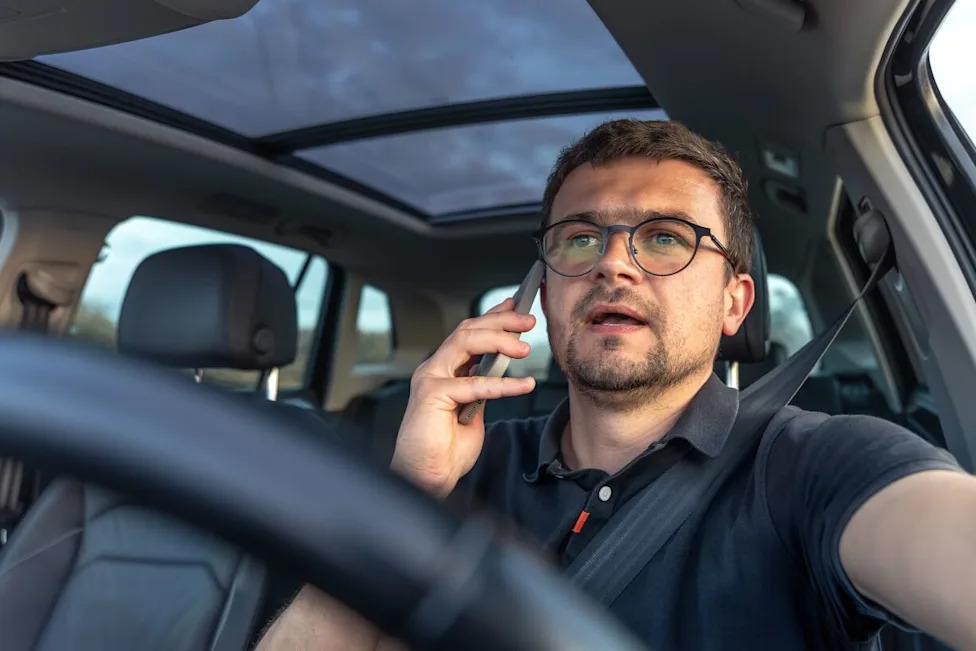
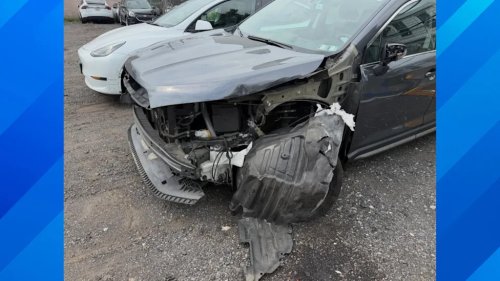
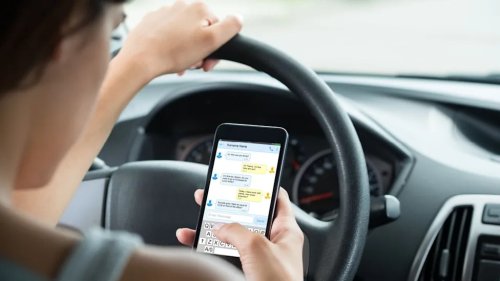
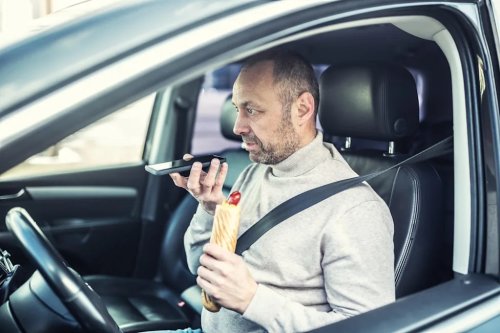
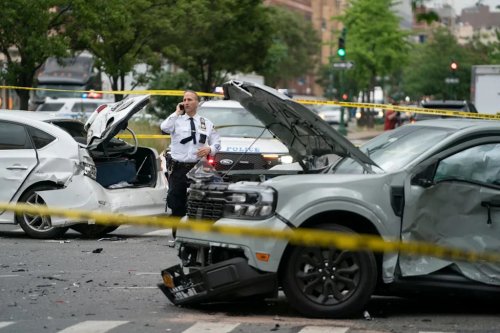
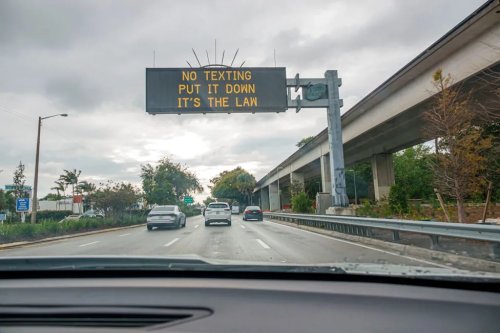
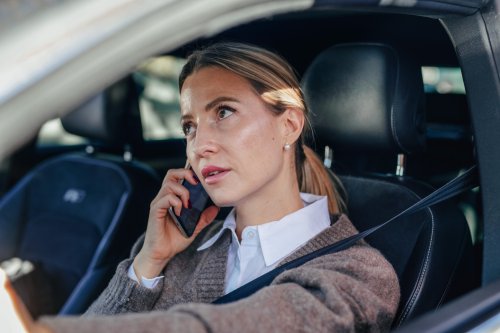
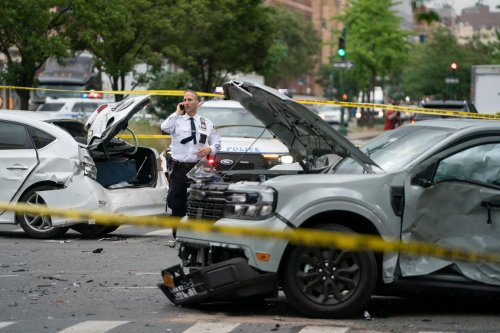
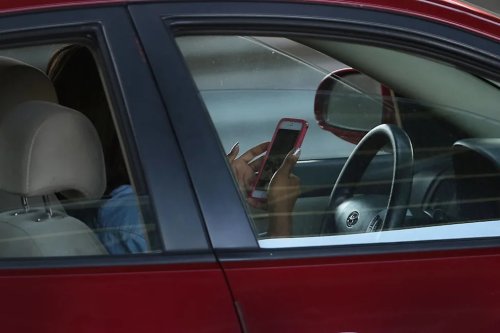
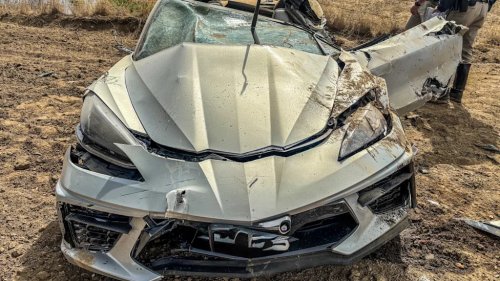
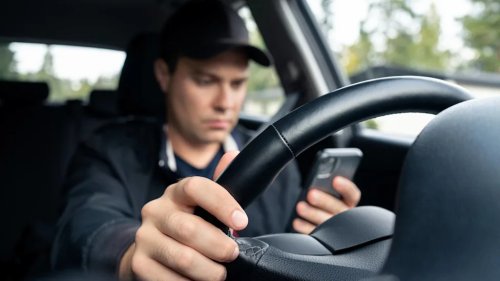
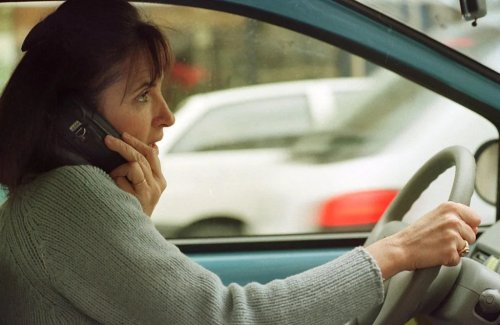
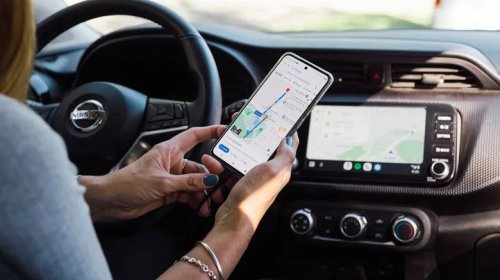
Credit: PV Productions via ShutterstockCredit: PV Productions via ShutterstockDistracted driving tied to smartphones happens far more often before crashes than law enforcement records show, according to a new study from the Insurance Institute for Highway Safety. The independent safety watchdog, which published the research on Thursday, claims cell phone use immediately before crashes may occur at least 700 percent more often than police reports suggest.The finding rests on anonymized cellphone data from Cambridge Mobile Telematics. IIHS researchers found that seven percent of drivers in single-vehicle crashes and eight percent of drivers in two-vehicle crashes were using their phones in the 30 seconds before impact. Police reports covering the same crashes recorded cellphone use less than one percent of the time.AdvertisementAdvertisement"It's widely accepted that police reports often fail to capture the role of cellphones in crashes. Many smartphone functions are hard for a witness to see, and drivers are reluctant to admit being distracted," IIHS president David Harkey said. "Telematics are allowing us to understand the true magnitude of the problem."The gap is not primarily a failure of first responders. Police officers rarely arrive within seconds of a crash and are even less likely to witness one in real time, which makes verifying cellphone use difficult. The growing pool of telematics data, however, offers a picture that police records cannot match.To build the study, researchers linked crashes recorded by safe-driving apps to police-reported crashes in four states between 2021 and 2024, assembling a sample of 17,000 crashes. Within that sample, telematics data could identify the specific type of phone interaction. Passive use, such as running Google Maps navigation, accounted for five percent of all crashes surveyed. Active manipulation-defined as tapping, swiping, or otherwise handling the screen-occurred within the 30 seconds before nearly four percent of recorded two-vehicle crashes. Hands-free and hand-held calls were also detected through telematics but did not account for significant crash figures."Navigation apps may have accounted for much of that passive activity. But nearly 25 percent of drivers who participated in a separate IIHS survey admitted to watching a video on their phone while driving at least once in the previous 30 days," the report reads.AdvertisementAdvertisementThe disagreement between data sources extended beyond frequency. Even when both law enforcement and telematics flagged phone use, they did not always agree on the type of distraction. Police reports identified the same category of phone use as telematics in just three of the 17,000 crashes surveyed. Part of the reason is legal: only certain types of cellphone use are illegal in some states, so officers are not always looking for phone use in post-crash investigations.That legal patchwork is beginning to narrow. IIHS notes that 21 states now prohibit drivers from holding phones at all, a policy the institute's research shows is effective. The telematics findings suggest that where enforcement and law focus only on specific behaviors, a substantial share of distracted driving continues to escape the official record.