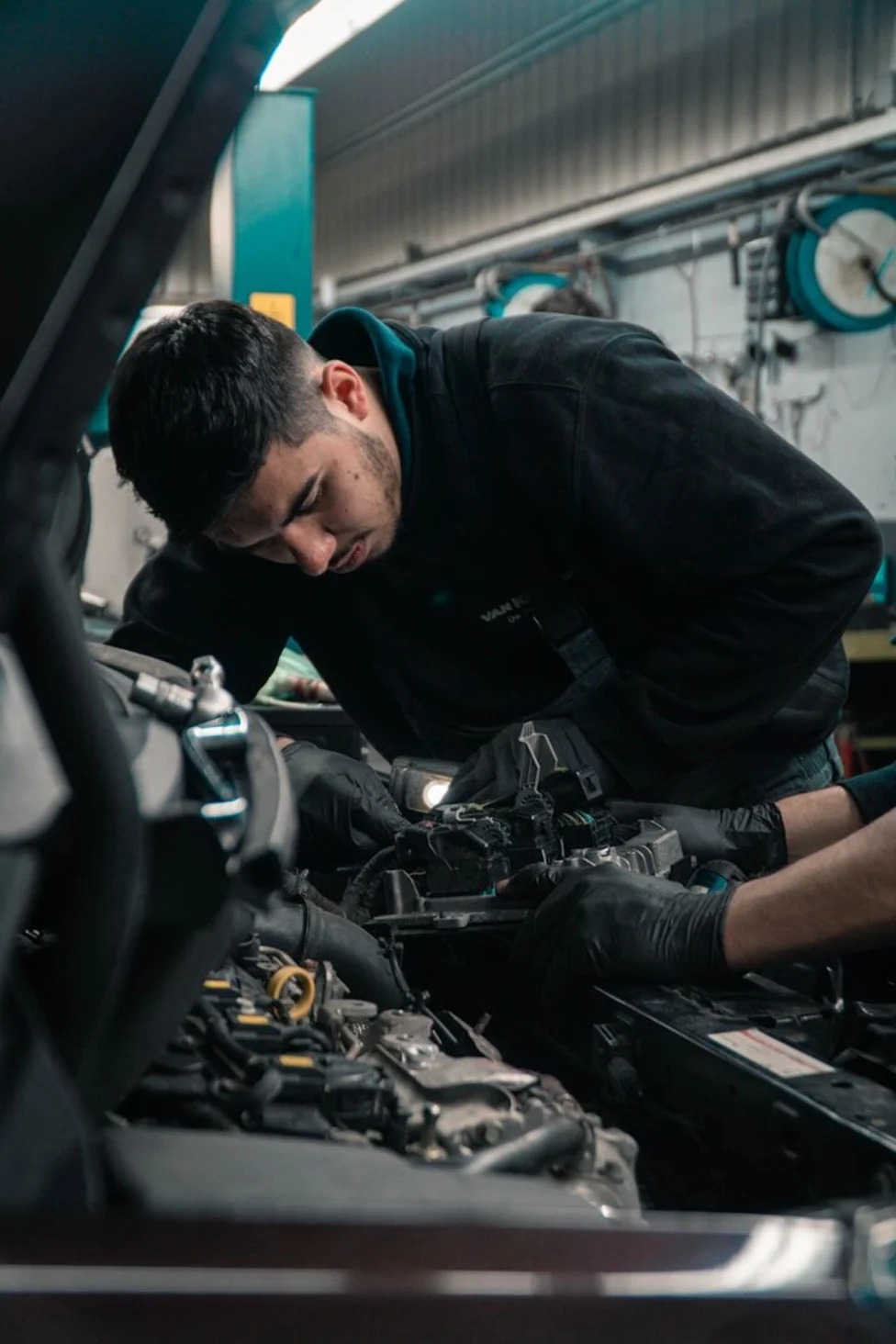
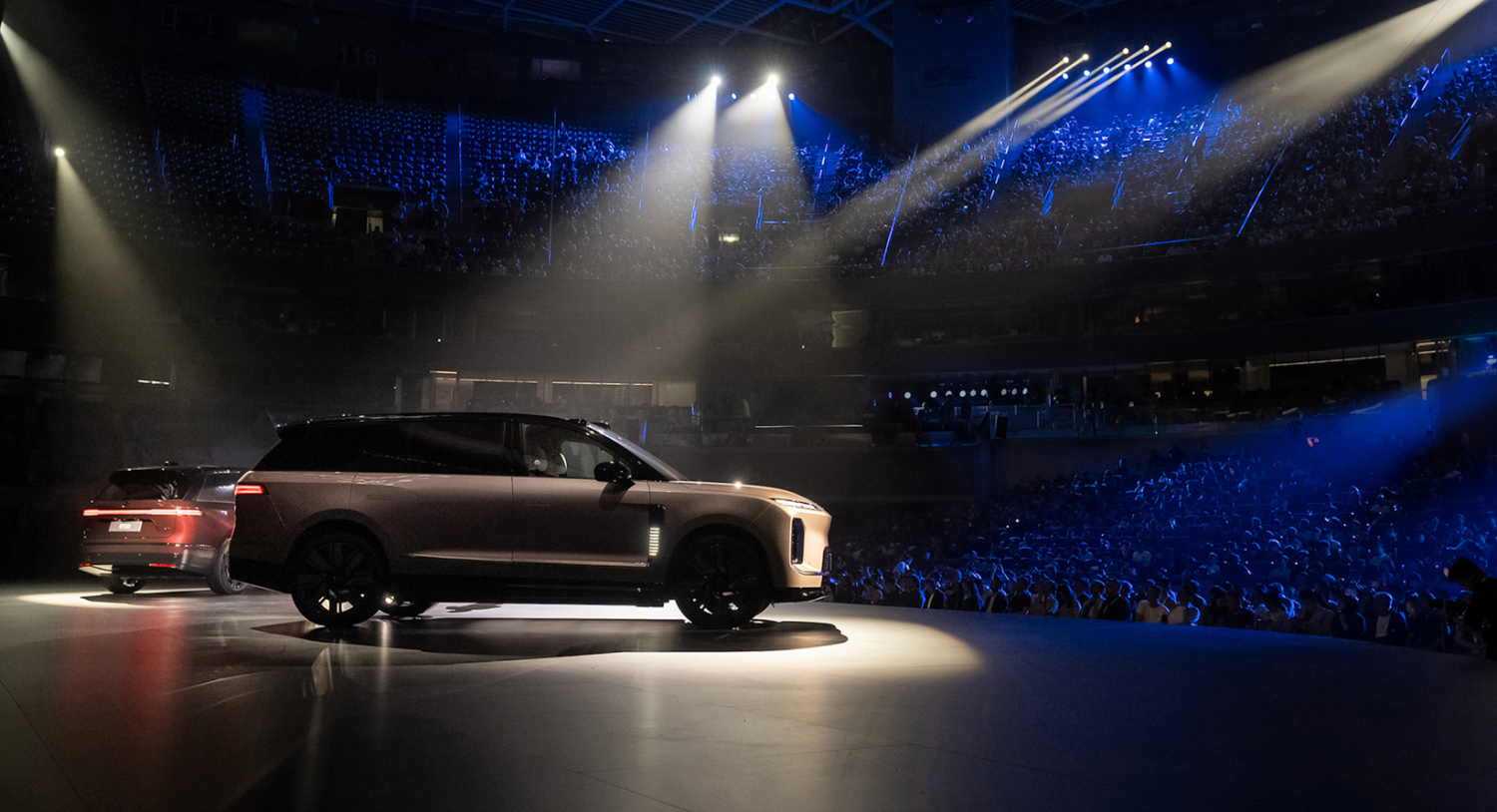
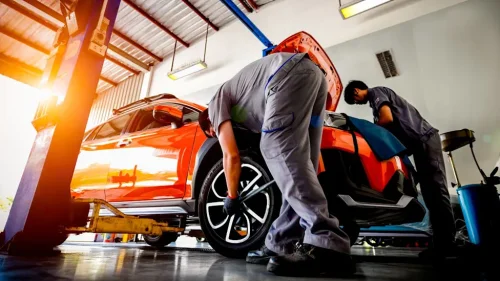
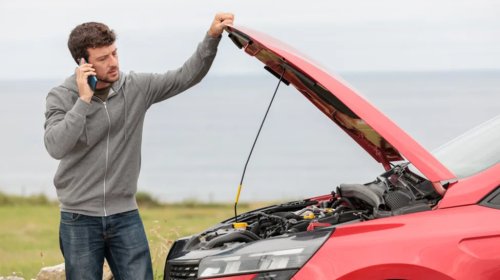
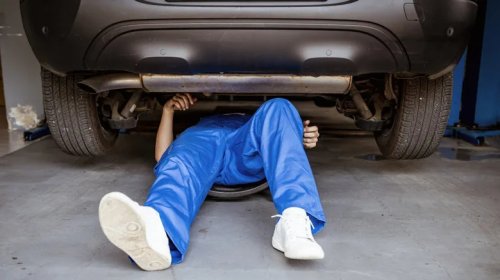
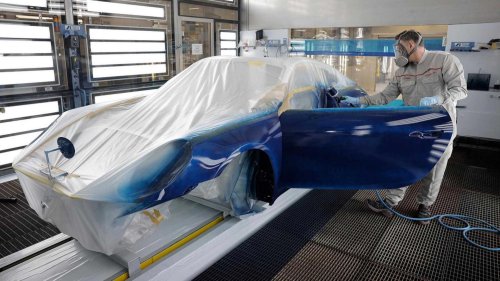
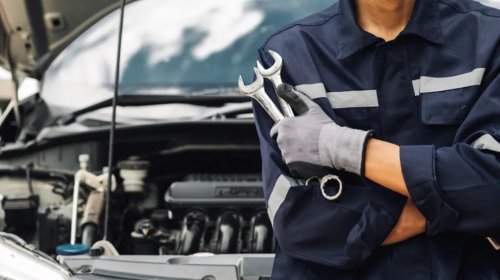
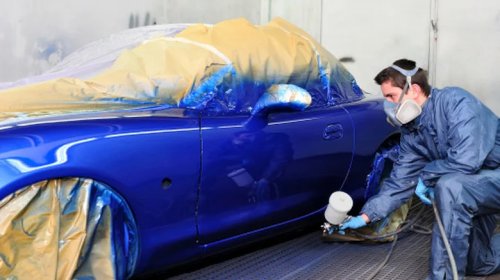
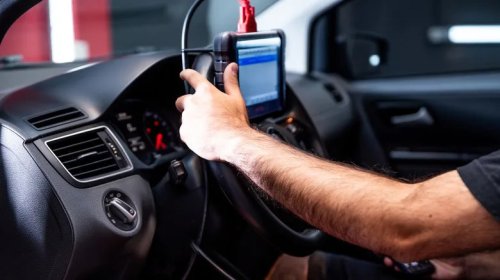
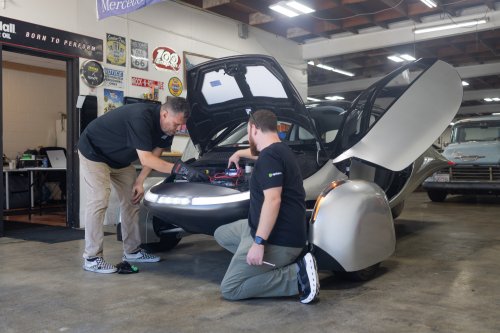
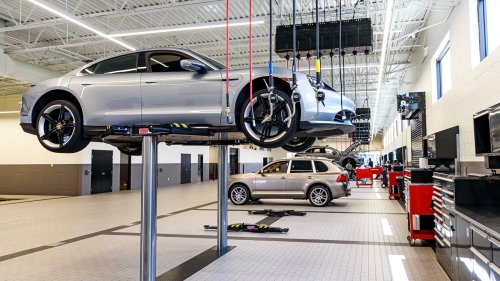
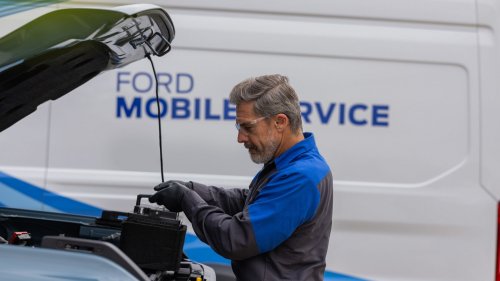
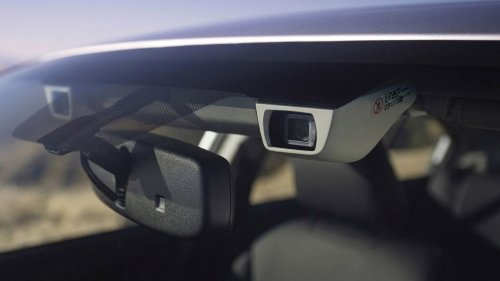
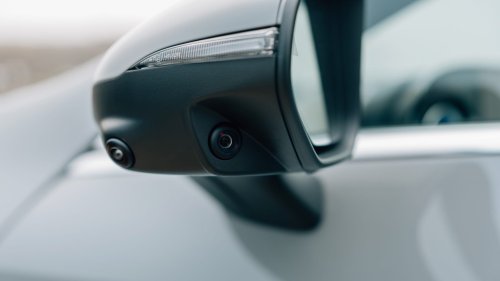
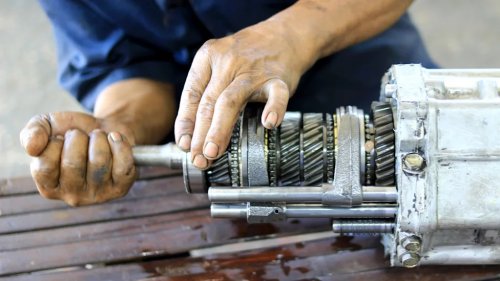
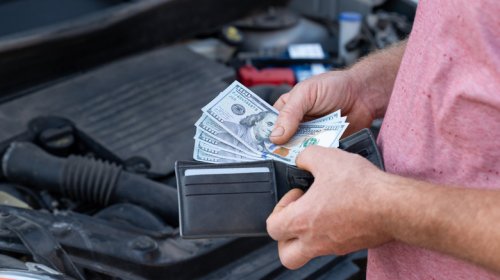
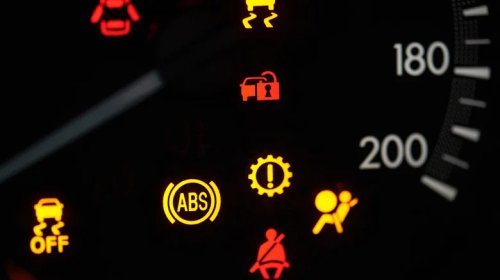
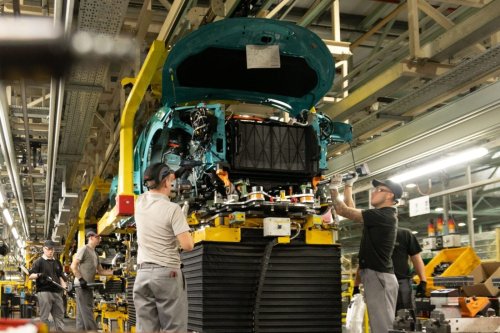
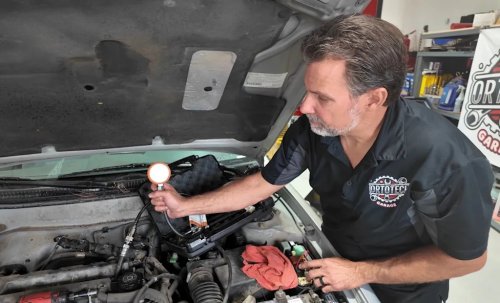
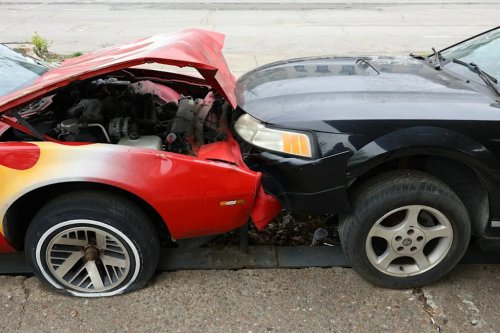
car repair costs have surged 60 percent since 2019Getting a car fixed in 2026 is hitting drivers' wallets significantly harder than it did just a few years ago.According to fresh data from the Federal Reserve Bank of St. Louis, automotive repair costs jumped an eye-watering 60 percent between January 2019 and August 2026.That spike outpaces overall cost-of-living inflation nearly two-to-one, with consumer price inflation rising 32 percent over the exact same timeframe. While rising labor rates and supply chain bottlenecks played early roles, mechanics point to a deeper, more permanent culprit: the massive influx of proprietary electronics, software subscriptions, and mandated driver-assist hardware built into modern vehicles.Related Videocar repair costs have surged 60 percent since 2019Software Subscriptions and Digital LockoutsFixing a contemporary car now routinely requires a laptop, brand-specific diagnostic hardware, and active software subscriptions directly from the automaker. Independent mechanics are forced to juggle multiple expensive scanning computers just to service domestic, Asian, and European models.These software licenses are frequently sold as short-term or annual subscriptions that constantly rise in price. When automakers lock basic maintenance routines behind digital paywalls, small independent shops have no choice but to pass those overhead costs straight to the customer.The financial squeeze isn't isolated to major engine overhauls or complex electrical diagnostics, either. Even routine maintenance has felt the pinch. In some instances, a basic oil change can carry an extra $50 to $75 charge simply to cover the cost of the software license required to reset the vehicle's electronic oil-life monitoring system.car repair costs have surged 60 percent since 2019The Staggering Cost of ADAS CalibrationAdvanced Driver Assistance Systems (ADAS)-including automated emergency braking, lane-keep assist, and adaptive cruise control-have added another expensive layer to everyday bodywork.A job as straightforward as a windshield replacement is no longer just a matter of fresh glass and sealant. Because the forward-facing ADAS cameras sit directly behind the glass, the entire system requires precision recalibration once the new panel is installed.For an independent shop, investing in the gear required to calibrate those systems can easily run into tens of thousands of dollars. A dedicated calibration rig can cost around $28,000, accompanied by a $12,000 computer setup, plus extra fees for vehicle-specific target boards.Adding to the pressure, automakers like General Motors have issued strict service position statements barring the use of recycled or reconditioned parts on ADAS repairs, mandating brand-new OEM components to avoid liability issues.As modern vehicles become rolling computers, small neighborhood garages face a tough choice: invest heavily in specialized software and calibration gear, or risk getting priced out of servicing late-model cars altogether.Become an AutoGuide insider. Get the latest from the automotive world first by subscribing to our newsletter.




















 +2 others