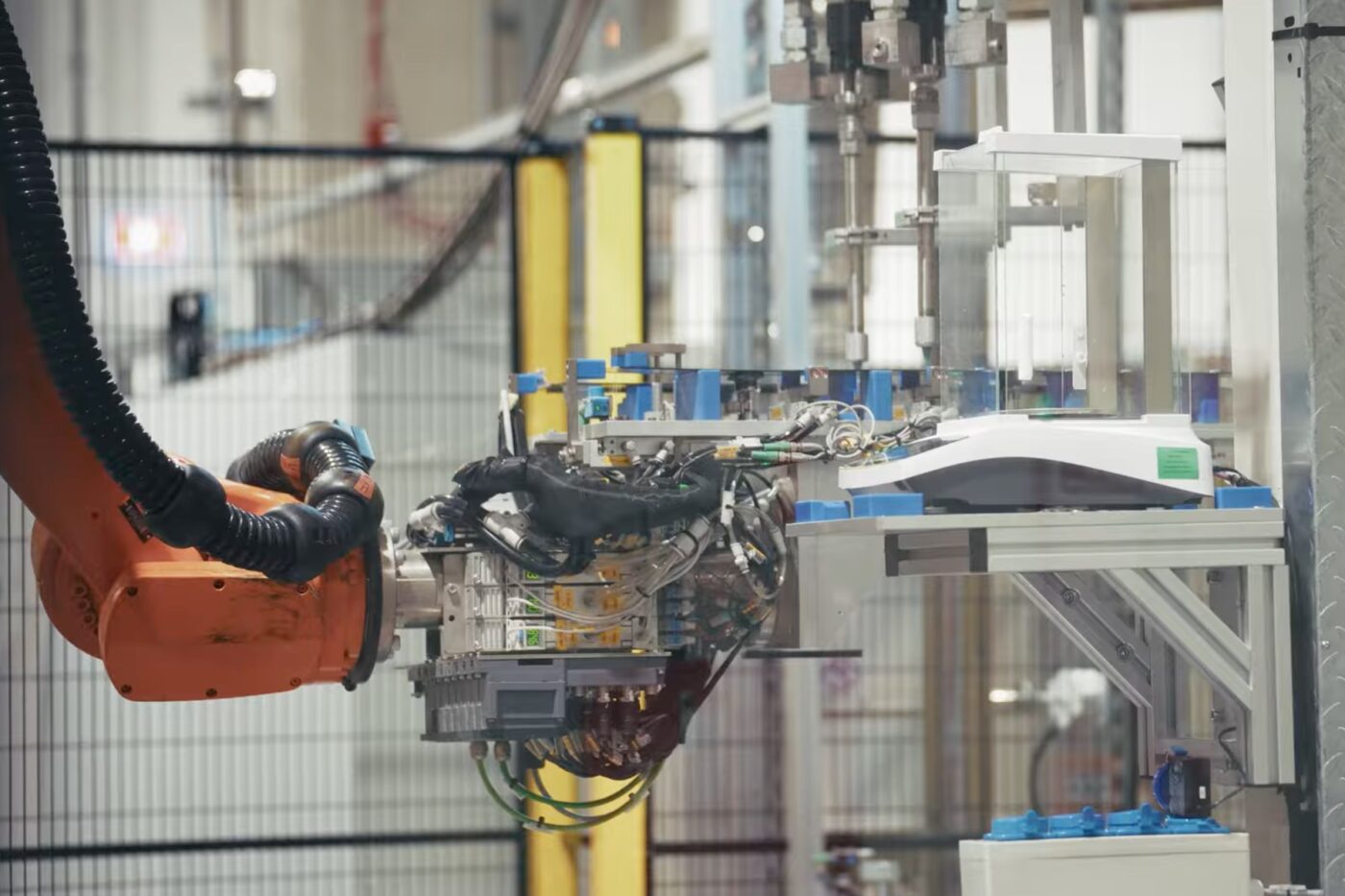
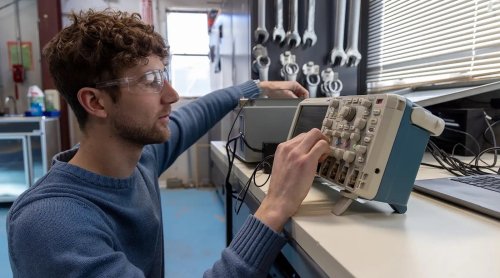
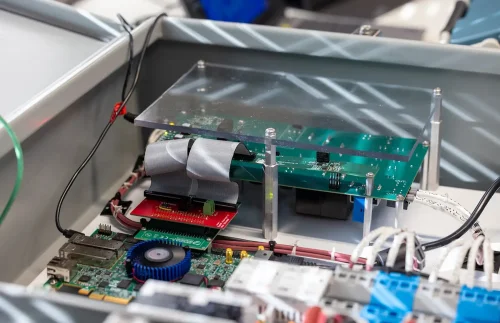
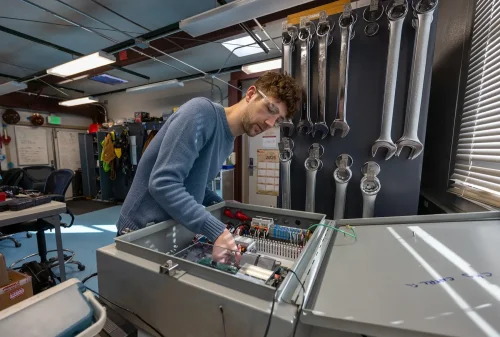
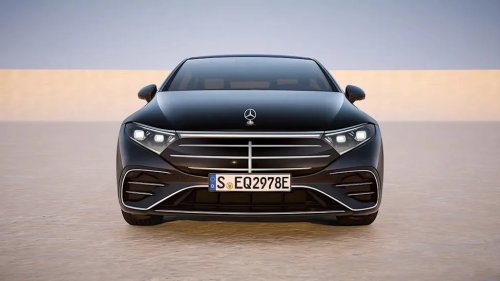
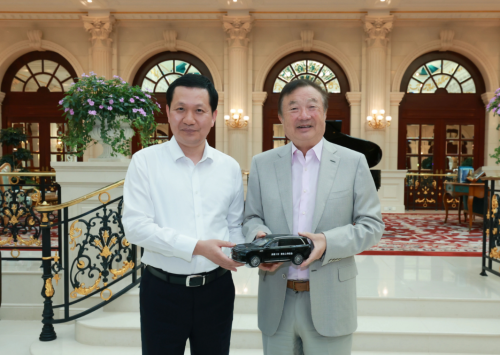
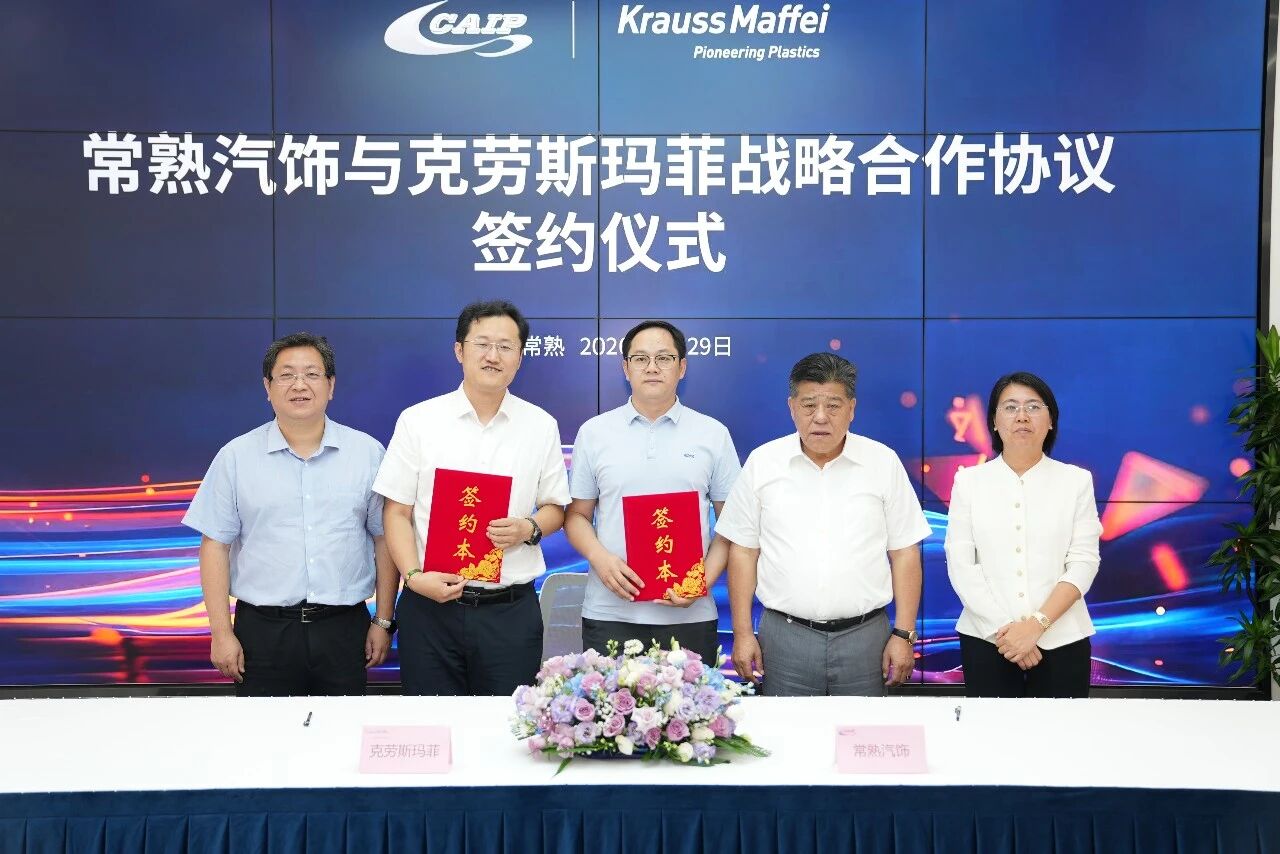
Gasgoo Munich- Jiangsu CAIP Group ("CAIP") and KraussMaffei signed a long-term strategic cooperation agreement on July 29, broadening an existing supplier-customer relationship into a joint technology and industrial-development partnership.Image source: CAIPThe companies plan to combine CAIP's experience in developing and producing automotive interior and exterior components with KraussMaffei's manufacturing equipment and process expertise. The agreement covers collaborative research, manufacturing processes and the commercialization of new component solutions.The partnership will focus on three areas: lower-carbon lightweight components, modular product development and more precise manufacturing. KraussMaffei will contribute expertise in injection molding, extrusion and reaction-process machinery, while CAIP will provide component-development capabilities and experience supplying vehicle manufacturers.The two companies see closer coordination among materials, production equipment and forming processes as essential to making automotive components lighter, more sustainable and easier to manufacture at scale. KraussMaffei has promoted an integrated approach linking materials, machinery and finished applications. Modular vehicle production is another prospective area of cooperation. The companies envision vehicles being assembled from larger integrated units, including electric powertrain and chassis systems, exterior modules and lightweight smart-cockpit modules. They suggested that a mature version of this production model could eventually reduce final assembly to between five and eight minutes while lowering labor requirements and improving consistency.That timeframe represents a long-term manufacturing concept rather than a confirmed production target. Neither company disclosed specific projects, investment amounts, customer programs or an implementation schedule under the agreement.CAIP and KraussMaffei said they will use technical exchanges and joint development work to convert research results into production-ready interior and exterior components.The partnership could also support the overseas adoption of solutions developed in China, particularly as suppliers seek manufacturing processes that combine lightweight materials, lower environmental impact and greater integration. Its commercial significance, however, will depend on whether the companies secure vehicle programs and move the planned technologies from development into series production.



















 +14 others
![Gasgoo, Xpeng, Huawei, [Gasgoo Brief] XPENG and Huawei Deepen Partnership; ECARX Officially Takes Over Full Flyme OS Operations](https://cdn.topcarnews.net/media/id/aHR0cHM6Ly9pbWFnZWNuLmdhc2dvby5j-b20vbW9ibG9nby9OZXdzL1VFZGl0b3Iv-aW1hZ2UvMjAyNTA2MTAvNjM4ODUxNzAw-MTkzODM1OTU2NTQxNDEzNi5qcGc/c06991c2ffe2e05fe81c97062ebd8cf3.jpg?t=20261006&post_id=15754)