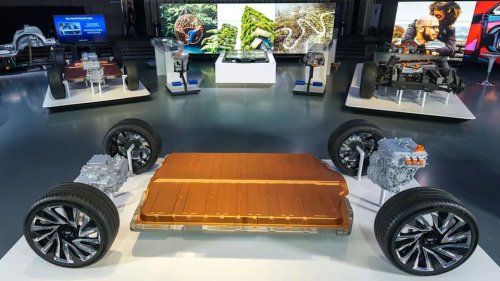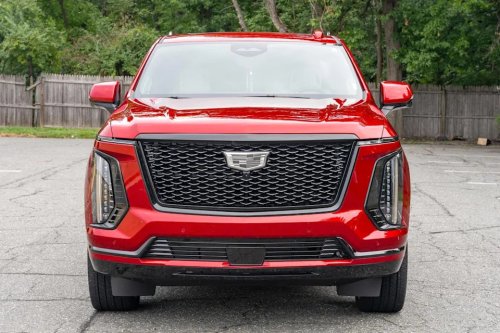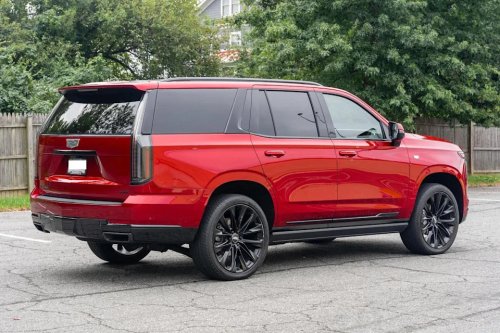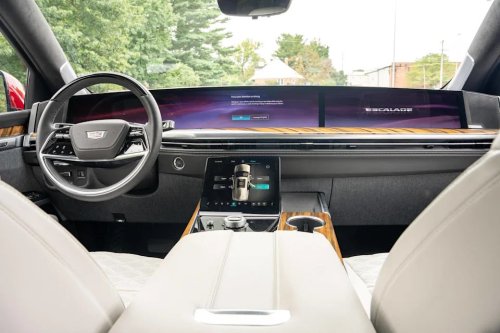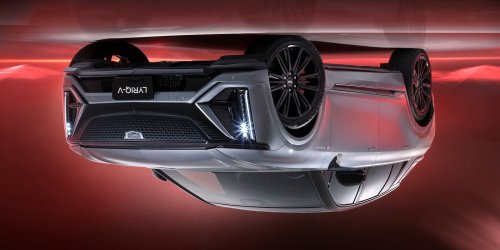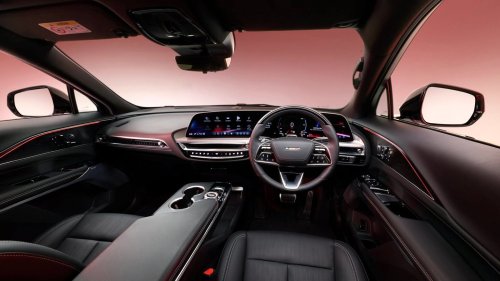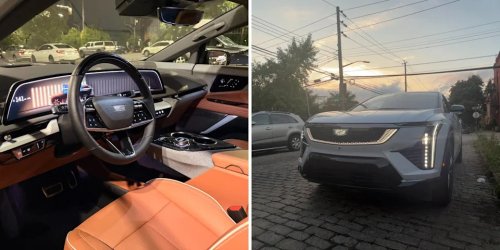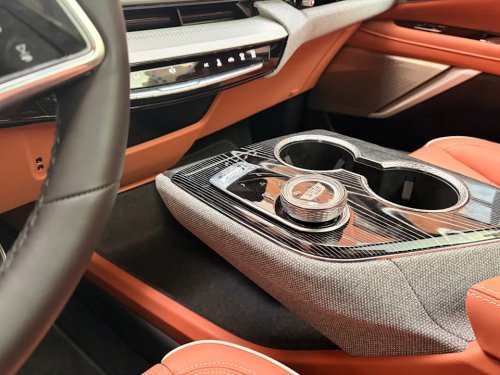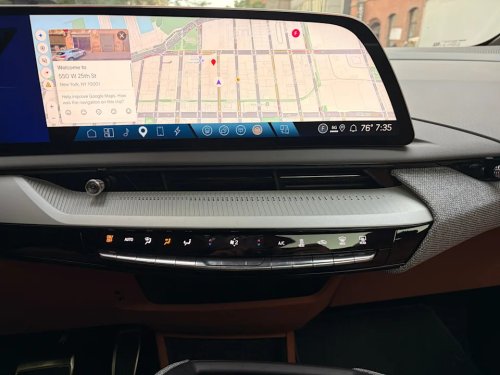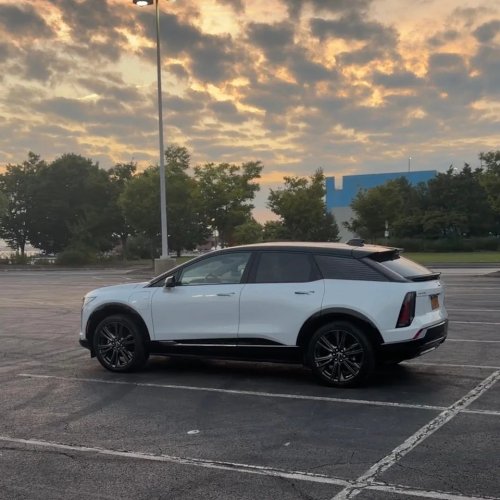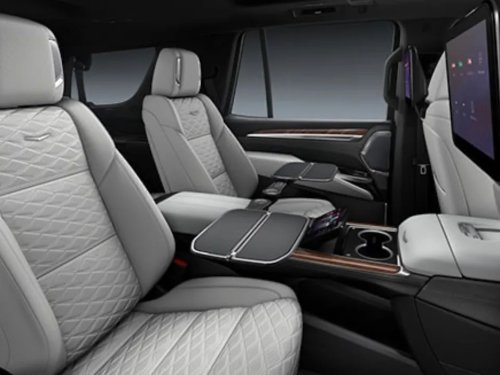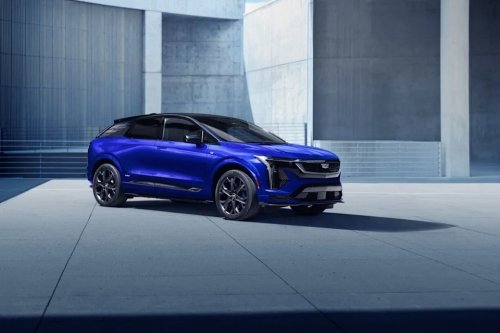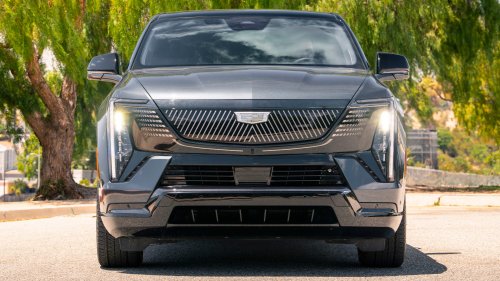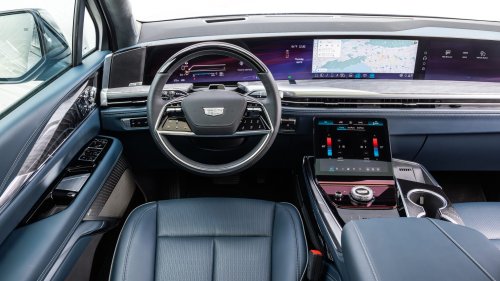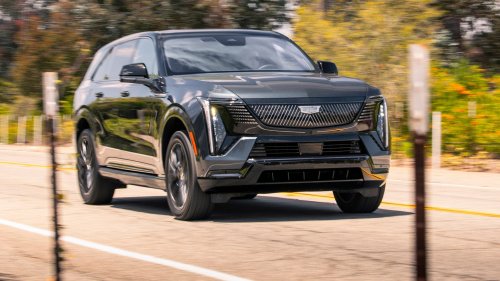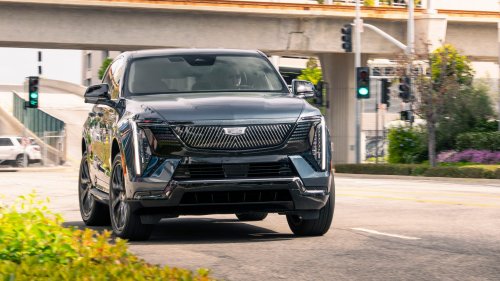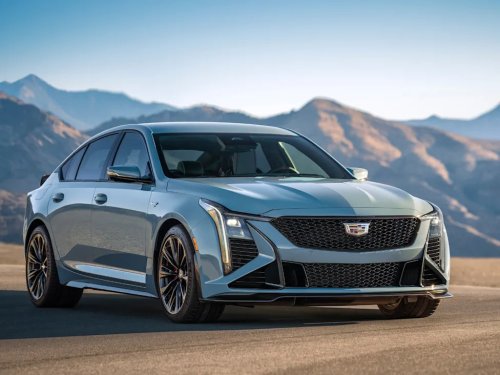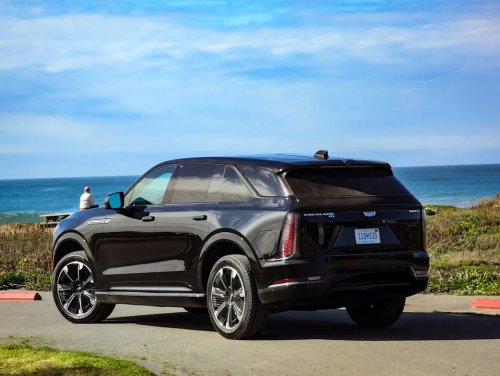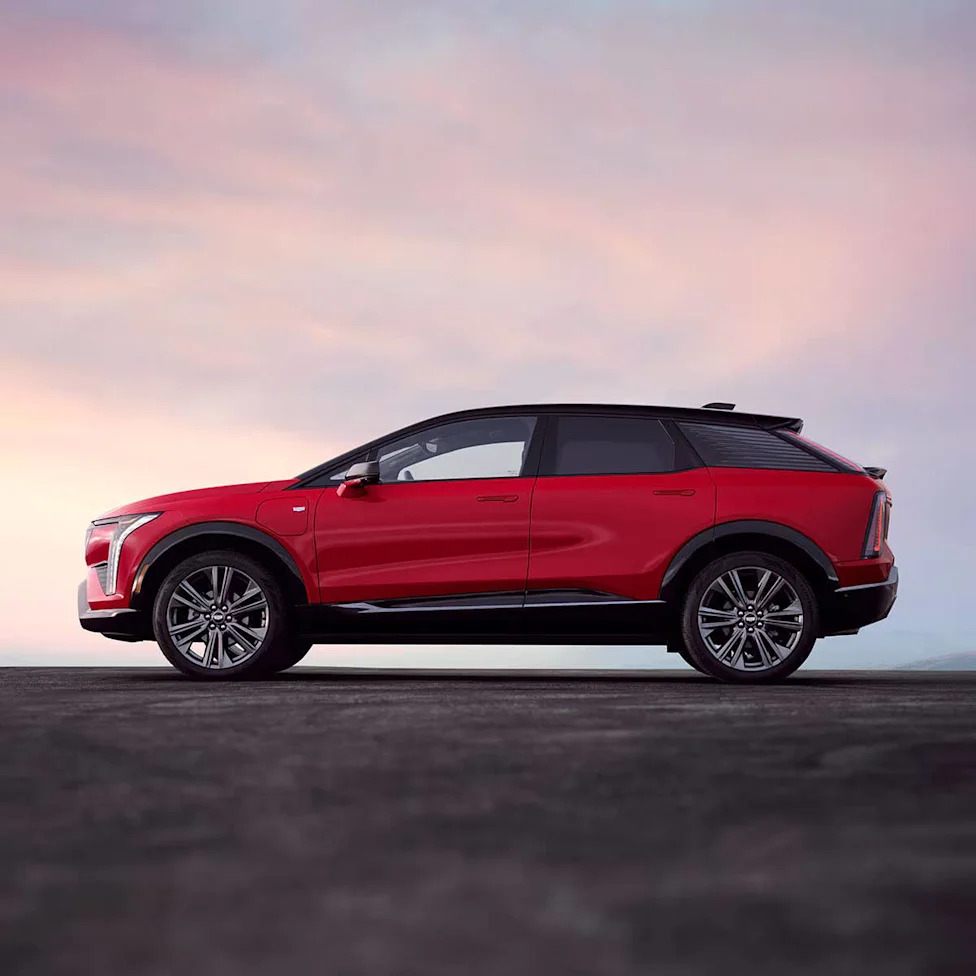





















Autoblog and Yahoo may earn commission from links in this article.The Cadillac EV ExpansionCadillac continues to aggressively expand its electric vehicle lineup to capture premium buyers transitioning away from internal combustion engines. We particularly liked its blend of distinct styling, modern cabin technology, and everyday driving range. These product efforts are yielding substantial commercial results, driving record sales growth across the brand's entire electric portfolio as traditional luxury buyers migrate away from legacy competitors.However, a major architectural shift is already underway behind the scenes for the luxury crossover's next iteration. According to a report from GM Authority, General Motors plans to migrate the next-generation Optiq away from its current domestic engineering foundation. Instead of continuing with the current North American Ultium hardware, the Detroit automaker intends to use an advanced EV platform engineered entirely in China to remain competitive amid rapid global technological developments.Leveraging Chinese EV EngineeringThis strategic shift highlights GM's growing reliance on its overseas development hubs to accelerate vehicle electrification and software integration. The upcoming Optiq will reportedly adopt the Xiao Yao architecture, a sophisticated platform developed at the SAIC-GM PATAC center in Shanghai. This transition marks an unprecedented level of autonomy for the regional engineering team, granting them full control over both product planning and the core technical direction of global vehicles.AdvertisementAdvertisementThe operational benefits of this platform are already evident in regional products such as the Buick Electra E7. That model leverages the same Chinese-engineered architecture to support a high-speed 900-volt charging system, securing over 10,000 deliveries during its debut month on sale. As global automakers like Volkswagen, Audi, and Renault similarly consolidate their R&D operations in Shanghai, GM is positioning the Optiq to benefit from this localized supply chain to quickly bring the product to market.General MotorsThe Market RealityThis engineering migration directly aligns with changing economic realities as Western buyers increasingly demand more affordable models. Overseas manufacturers are outpacing domestic development cycles by introducing commercial battery breakthroughs such as a nine-minute charge capacity. However, strict federal trade legislation completely blocks these highly efficient foreign vehicles from entering the United States market directly, leaving domestic consumers without access to the latest global innovations.At the same time, utilizing an overseas architecture for a domestic luxury badge provides a pragmatic alternative for the manufacturer. By embedding highly efficient Chinese platforms beneath a premium American brand, GM can circumvent regulatory trade barriers while drastically upgrading vehicle capabilities. For prospective buyers wanting state-of-the-art battery metrics without sacrificing luxury dealer networks, the next-generation Optiq represents the next best alternative in a heavily protectionist market. Let's just wait for what Fordhas to say about that.CadillacThis story was originally published by Autoblog on Jul 11, 2026, where it first appeared in the News section. Add Autoblog as a Preferred Source by clicking here.