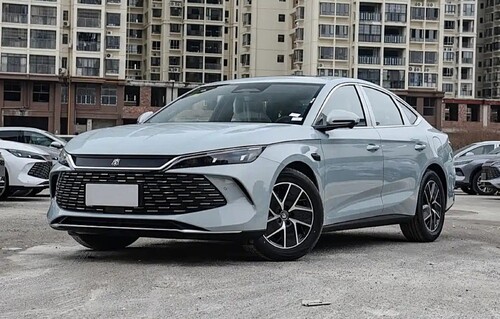
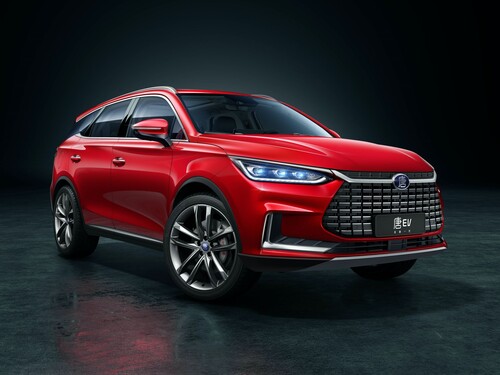
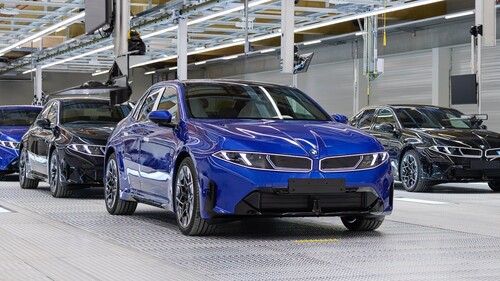
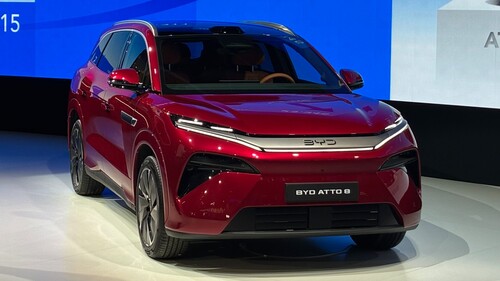
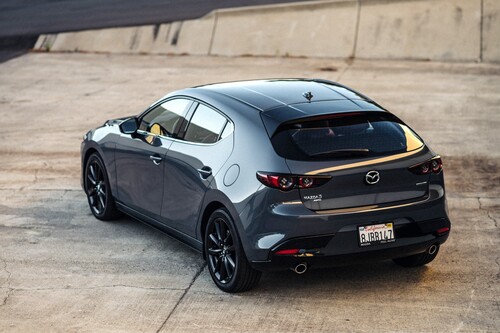
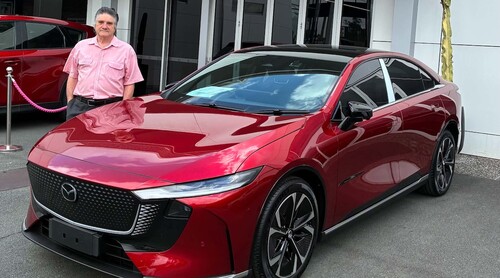
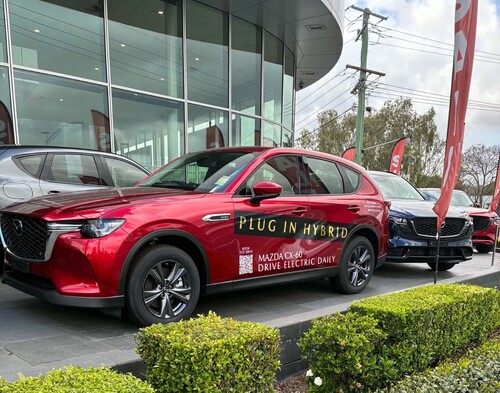
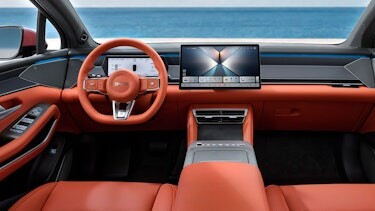
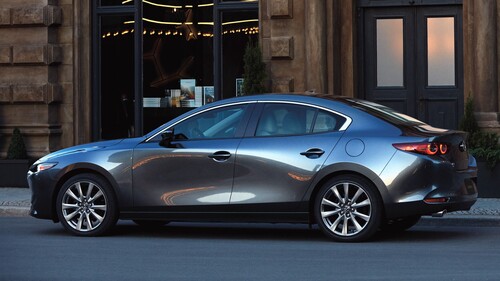
Adam Gagnon · 4 months ago@adamgagnon294BYD Qin L PHEV breaks electric fire stereotype as Mazda 3 ignites Liked by+78 othersPost commentRelated PostsHas NIO Really Found Its Footing? 12 · Olivia Lee · 1 months ago10 Of The Best Used Mazda Models You Can BuyGabriel King · 22 days agoMusk Congratulates Tesla Australia — August EV Sales Update 67 · Parker Hall · 1 months agoNew BYD Shark pick-up to go Ford Ranger hunting in the UK very soonCharlotte Harris · 13 days agoChinese regulator flags Geely EX2, BYD Qin L over wheelbase and fuel economy discrepancies 63 · Mia Leblanc · 1 months ago4 Compact Cars With Higher Ratings Than The Volkswagen JettaLogan Roy · 23 days agoEVs outsell petrol in Australia for the first time, led by China 32 · Camille Bouchard · 1 months agoChina's September passenger vehicle market: Retail sales slump, exports cushion wholesale declineMia Fortin · 13 days agoVolkswagen ID. Era 5S PHEV with 160 km EV range launches in China at 13,400 USD 52 · Ryan Smith · 2 months ago5 Compact Cars With Higher Ratings From Consumer Reports Than The Subaru Impreza 52 · Jackson Côté · 25 days agoAustralia Plug-In Update July 2026 87 · Lily Johnson · 2 months agoAugust 2026 Passenger-Vehicle Domestic-Brand Sales Ranking: BYD Holds a Commanding Lead with 368,323 Units | Gasgoo Research InstituteAiden Leblanc · 13 days agoNew $16,500 BYD sedan promises 391 miles of range and a nine-minute charge 75 · Parker Labelle · 2 months agoGas Prices Are So Nuts, Today’s Mazda3 Driver Could Have Fueled A V8 Mustang On The Same Budget 7 Months Ago 59 · Claire Turner · 27 days agoMazda Explains Why the CX-5 Won't Follow the Toyota RAV4Jenna Gagnon · 14 days agoGeely Auto Enters Canada; NEVs Top 60% of GM's Q3 China Sales; BYD Ti 7 Goes on Sale in UzbekistanLily Johnson · 13 days agoNew BYD Seal 06 & Qin MAX Part 2: Affordability & Value 89 · Victoria Young · 2 months agoNo, Mazda Hasn’t Confirmed A New 300-HP AWD Mazdaspeed3 79 · Caleb Wilson · 29 days agoMazda's New Green Paint Almost Didn't Make It to the MX-5 MiataMorgan Tremblay · 14 days agoBYD Commercial Vehicle Sales Up 113% in SeptemberAudrey Côté · 13 days ago




 +78 others