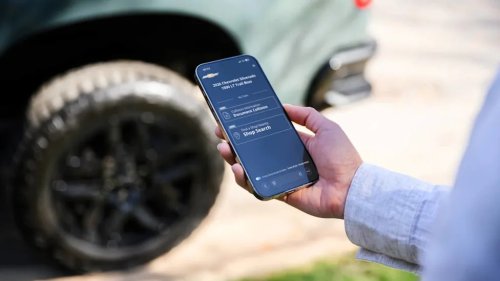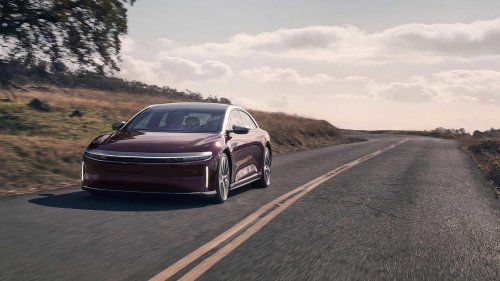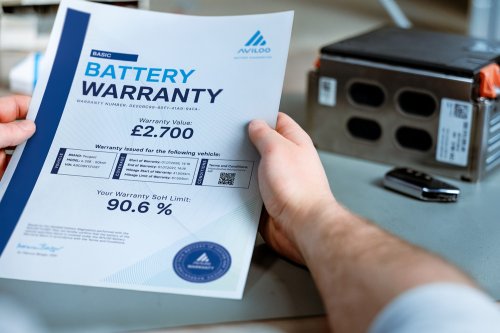



















Buying a Discount Low-Mile Used EV? You’ll Want to Know a Few ThingsCar and DriverSteven LangSat, September 19, 2026 at 4:00 PM UTCAdd us on GoogleThings to Know Before Buying a Discount Used EV? Justin Sullivan - Getty ImagesWhy buy a new battery-electric vehicle when you can get a perfectly good lightly used model for thousands less? Massive discounts are available on pre-owned EVs with only a few thousand miles.Take the battery-powered Honda Prologue, for instance. Whereas a new 2026 Prologue Touring stickers for $45,795 in front-drive guise, a look at our used-car marketplace reveals buyers can nab lightly used 2024 and 2025 Prologue Tourings with fewer than 10,000 miles for under $30,000.The Prologue is far from the only electric vehicle to see such striking price disparity between new and lightly used examples. Odds are you can also find a low-mileage pre-owned version of the new EV you're eyeing at a relatively steep discount.AdvertisementAdvertisementBut before you go ditching your gas-powered car and drive home in a new-to-you used EV, you should keep these things in mind about what comes with owning one of these battery-powered machines.Car and DriverEV vs. Gas: MaintenanceMaintenance on an EV is typically minimal and largely consists of keeping up with wear items. We're talking tires, cabin air filters, and wiper blades.If you own an EV with a liquid-cooled battery (which just about every modern EV uses), you'll likely need to flush and replace the coolant. Think of it less like an oil change and more along the lines of changing out spark plugs.This isn't a job done once every few thousand miles; rather, it's one that's typically done following tens of thousands of miles of driving.LucidEV vs. Gas: Powertrain ComplexityElectric motors are far simpler machines than gas engines, which means there are far fewer things to go wrong on an EV. Plus, if something powertrain-related goes awry, it's often easier to hone in on the specific problem courtesy of an electric motor's relatively limited number of parts.Shift Electric VehiclesEV vs. Gas: WarrantyPowertrain warranties vary between manufacturers, but battery warranties do not. That's because the federal government mandates minimum coverages of eight years and 100,000 miles. Those marks top the warranties most manufacturers offer on their internal combustion products.AdvertisementAdvertisementTo get a better idea of how likely your used EV is to need that lengthy battery warranty in the future, you'll want to have the pack measured for potential degradation with a battery-health test. You can either request the selling dealer do this for you, or in some instances, you can download a compatible app to test it yourself.Note that many dealerships purchase their used EVs wholesale. Manheim Auctions, a popular wholesaler, provides battery health assessments that measure degradation of the EVs it puts up for auction.This means that if the dealer purchased the vehicle from Manheim, or another wholesaler that includes such reporting for EVs, then they should be able to send you this report pro bono. Bottom line: Ask whether the used EV you're looking at was purchased from a wholesaler like Manheim before spending money on a battery health report yourself.You Might Also LikeGift Guide: Best Ride-On Electric Cars for KidsFuture Cars Worth Waiting For: 2025–2029