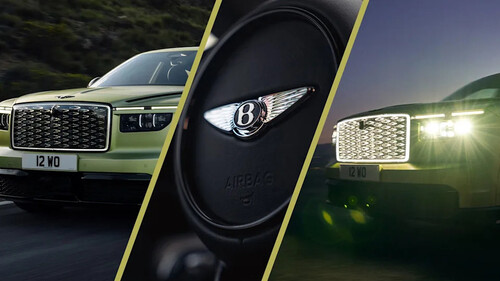
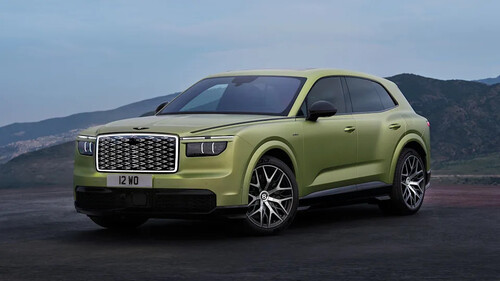
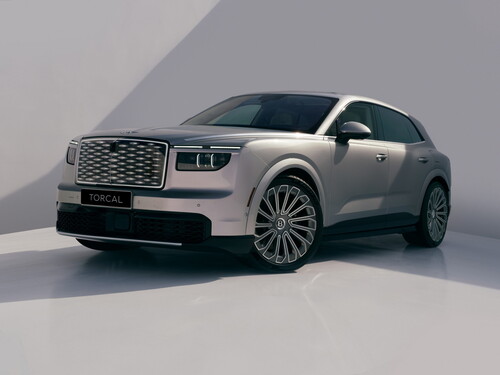
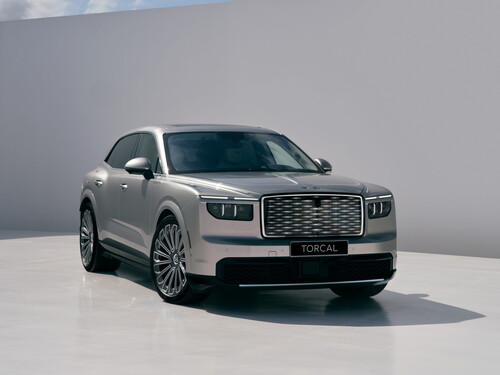
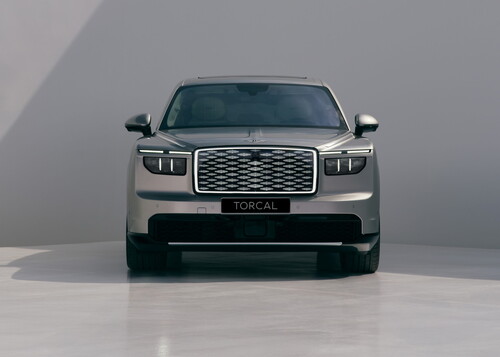
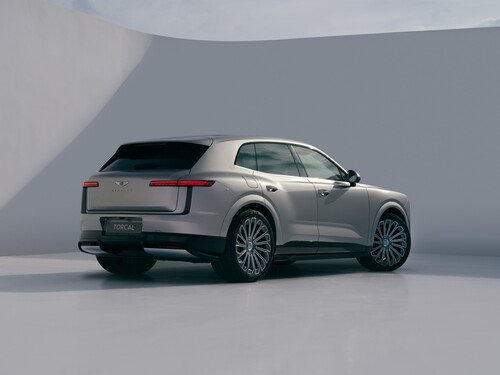
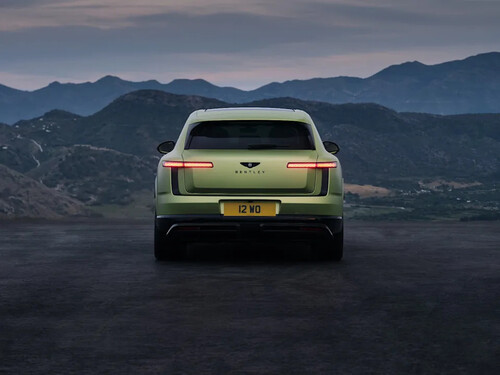
Nicole Carter · 22 days ago@nicolecarter0Bentley unveils Torcal as CEO announces pushing goal to go all-electric to 2035 Post commentRelated PostsThe Only 5 V12 (Or W12) SUVs Ever Sold New In America 43 · Kaitlyn Wilson · 26 days agoThe Bentley Torcal is finally a luxury EV design that people like 89 · Noah Campbell · 28 days agoHave This With Your Coffee: Your Backfire News Round-Up for September 25 84 · Daniel Rogers · 28 days agoMechanics used an ungodly amount of silicone, and somehow this cheap Bentley survived 2,500 miles 32 · Lucas Wilson · 28 days agoBentley Goes Electric As China's EV Charging War Gets Ridiculous 99 · Abigail Campbell · 28 days agoBentley Mulliner's Copernicus Trio: Three One-Off Continentals Themed on Sun, Earth, Moon 47 · Aiden Martin · 28 days agoBentley Torcal EV Swaps Its V8 Rumble for a Live-Recorded Drum Soundtrack 19 · Caleb Lewis · 28 days agoTorcal EV arrives as one of Bentley’s lowest-cost models 45 · Justin White · 28 days agoA Bespoke Bentley Previously Owned by Queen Elizabeth Is Heading to Auction 41 · Benjamin Mitchell · 29 days agoWhat Car Has The Dumbest Name? 29 · Kayla White · 29 days agoAfter Bailing On EV-Only Plan, Bentley Embraces Flexibility In An Uncertain World 34 · Adam Lee · 29 days agoBentley’s debut electric SUV can out-accelerate many supercars, travel for 375 miles on a single charge, and comes with its own orchestra 93 · Lily King · 29 days ago2028 Bentley Torcal breaks with tradition by going electric 74 · Amelia Lavoie · 1 months ago5 Things You Need to Know About the Bentley Torcal 19 · Samuel Scott · 1 months agoBentley launches its first EV, and it could be its cheapest model 74 · Ella Walker · 1 months agoBentley Torcal: first electric car launched at £173,000 81 · Mason Walker · 1 months agoBentley unveils Torcal, its first fully electric model 67 · Daniel Nelson · 1 months agoBentley's First EV Is a 876-HP SUV Called Torcal 83 · Kayla Scott · 1 months ago2028 Bentley Torcal Debuts as Brand's First EV with 876 HP 50 · Gabriel Lewis · 1 months agoBentley Torcal Gives Luxury Brand Its First Full EV: Here's What Stands Out 14 · Gabriel Young · 1 months ago