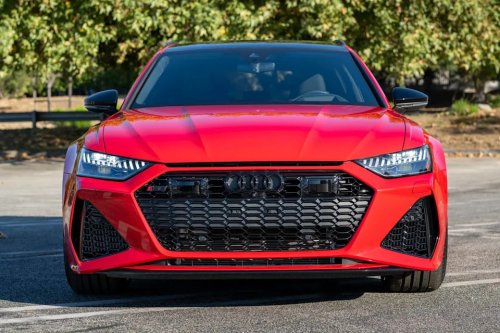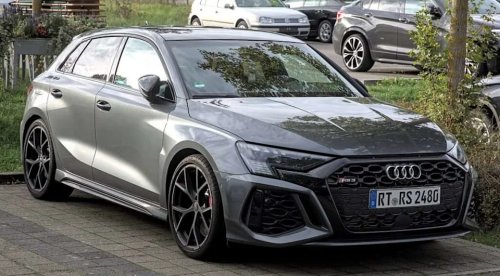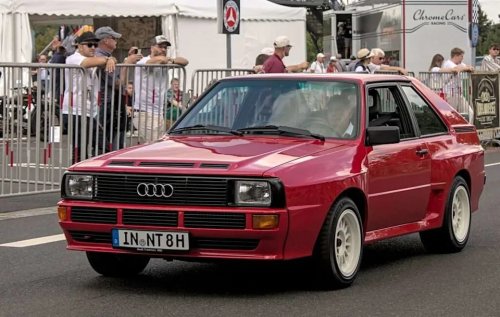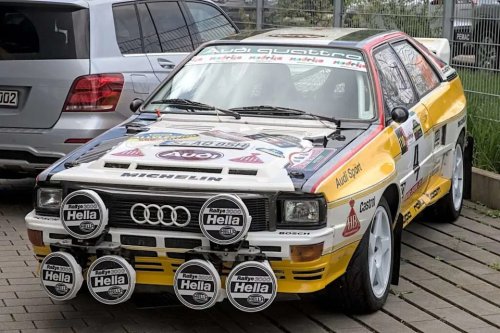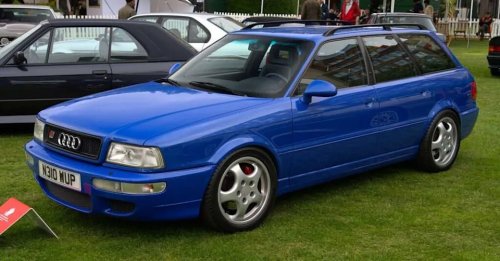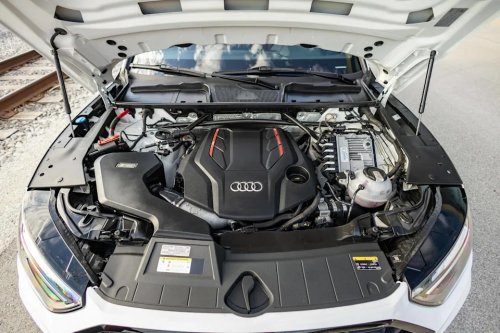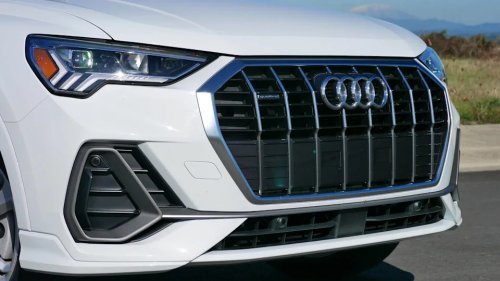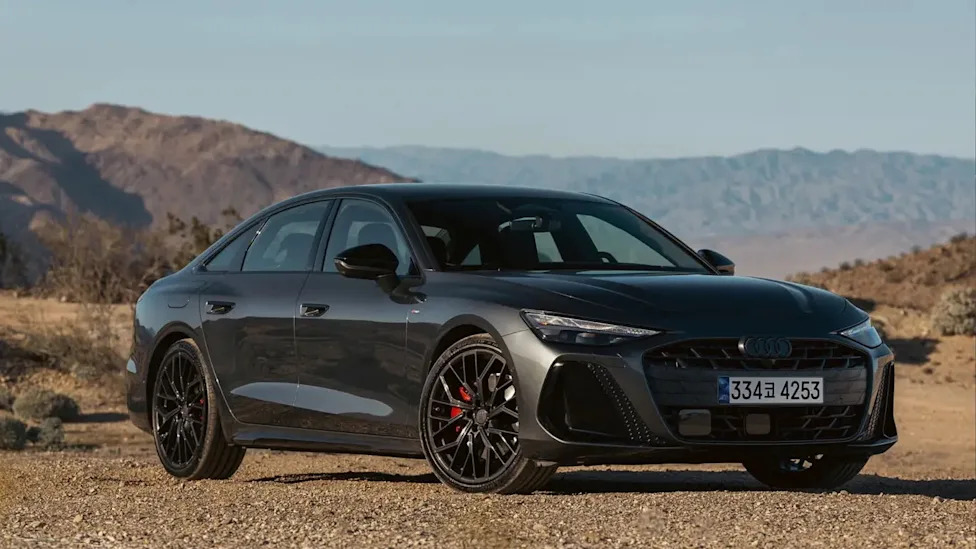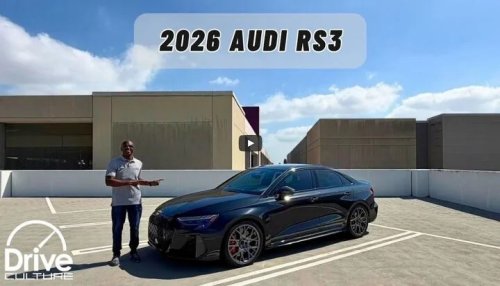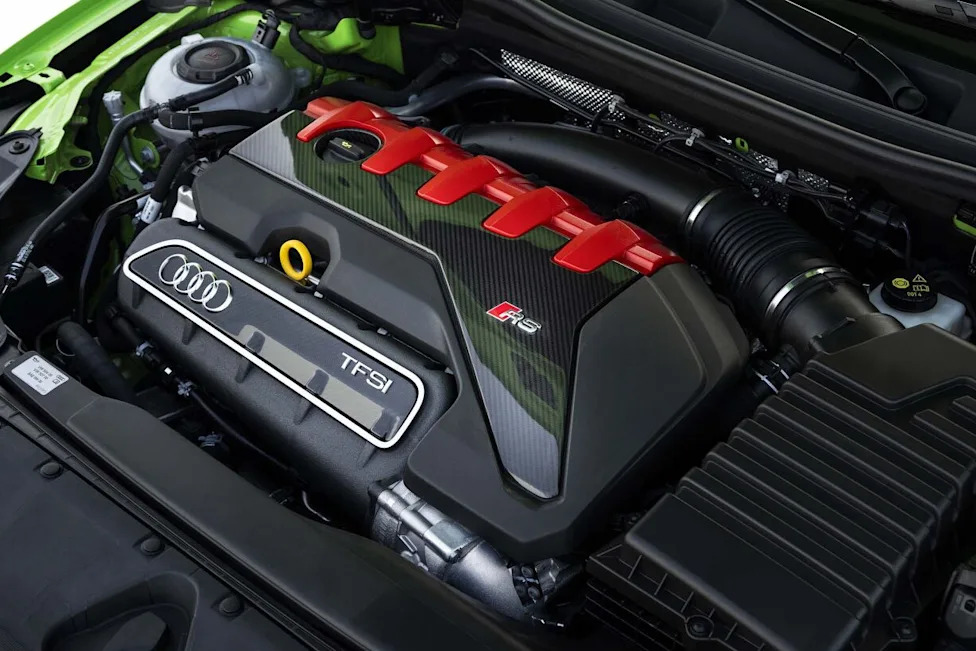



















Audi has yet to commit to killing or keeping its 2.5-liter turbocharged five-cylinder, and the company's own mixed messaging is why the question keeps circling. Some statements out of Ingolstadt point to the engine being axed. Others suggest it survives in some form. The automaker hasn't landed on either.audi weighs hybrid lifeline for its iconic five cylinderThe engine built its reputation on the Ur-Quattro and the Group B rally cars of the 1980s, and it lives on today in the RS3. What now threatens it is Euro 7. As it stands, the 2.5-liter turbo unit doesn't comply with the regulations, and Audi would need to justify the investment required to update it.Speaking with Autocar, Audi Sport boss Rolf Michl acknowledged the engine's significance and appeared to leave the door open. "We're well aware about the historical meaning of the five-cylinder," Michl told Autocar. "Evaluations are still running, and people who know me know that I also have a personal relationship to the five-cylinder engine. It's so characteristic and also deeply rooted in history – so let's see."AdvertisementAdvertisementMichl framed the RS3 as an important "entrance into the RS world," noting that "emotion starts in the compact segment." A next-generation RS3 remains on the table, though nothing has been decided, according to Michl. "Negotiations are ongoing" about the car, he told Autocar, adding "we're not at the decision point yet" and "everybody really knows about the meaning, and therefore we're still evaluating with our colleagues from Audi AG."The clearest path to keeping the engine alive would be hybridization, the same route other brands have taken to preserve distinctive powertrains under tightening emissions rules. Lamborghini's 6.5-liter V12 is the obvious template, kept in production through an electrified setup. Applying similar hardware to the RS3 would sharpen its output while allowing the 2.5-liter to continue.The obstacle is volume. Developing a new hybrid five-cylinder for a single low-selling model like the RS3 is a hard case to make to the VW Group's finance team. Spreading the engine across more cars would distribute the development costs and improve the odds of approval, which may be needed to justify the investment at all.For now, Audi's position amounts to an open evaluation rather than a decision either way, based on Michl's remarks to Autocar. His comments stop short of a commitment, but they also stop well short of confirming the engine's end. The five-cylinder's fate rests on whether Audi can find enough places to put it to make a Euro 7-compliant version worth building.This article was written using AI.Become an AutoGuide insider. Get the latest from the automotive world first by subscribing to our newsletter here.