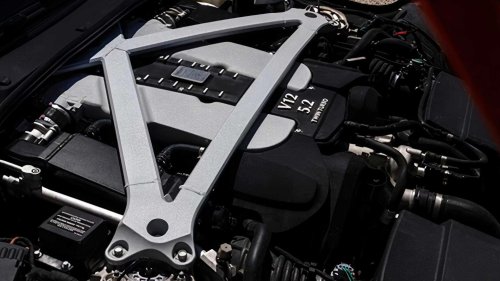
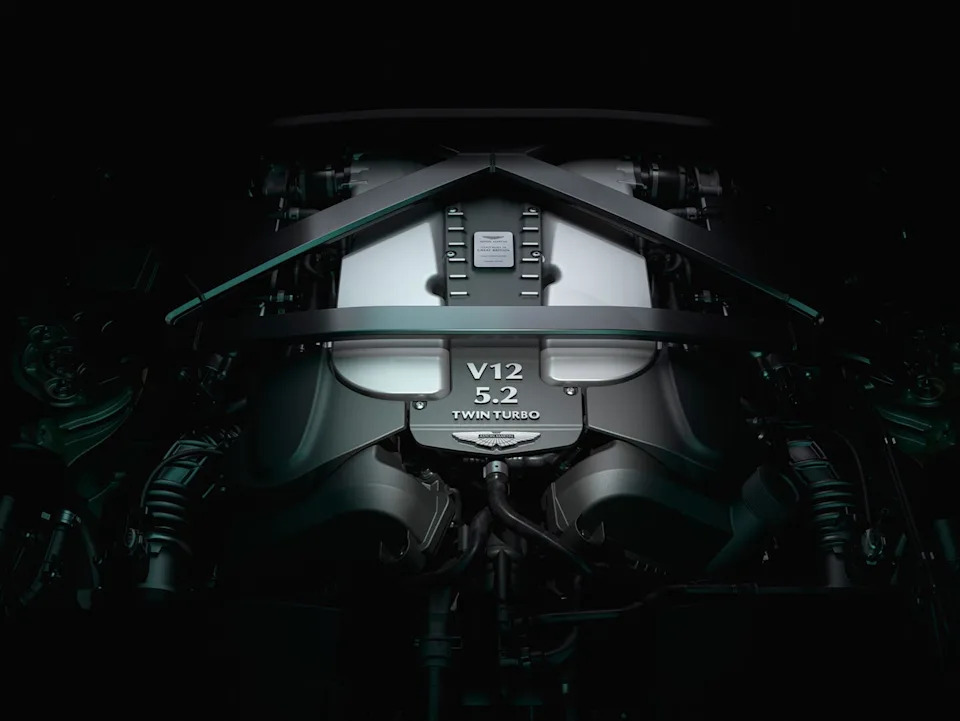



















Aston Martin's First EV Pushed Back to at Least 2033Aston MartinAston Martin won't launch its first electric model until at least 2033, the brand's CEO told media at an event in London, as reported by Autocar.The new timeline is the latest in a long line of delayed EV launch dates for the brand, amid Aston Martin's insistence that it will prioritize internal-combustion engines in the near term.Speaking of internal combustion, CEO Adrian Hallmark said that the brand has a road map to ensure it can sell V-8 and V-12 engines until at least 2035.Few figures are more fickle than the launch date for a new electric car. Take that Texas-based EV company, which recently pushed back the launch of its long-heralded electric Roadster by two weeks—some nine years after the car was originally scheduled to launch.Or Aston Martin; its CEO recently told Autocar that the marque won't launch its first electric model until 2033 at the earliest. Hallmark's timeline comes after he initially suggested a 2030 launch, which itself came after comments from previous management about a 2027 launch, both of which were a delay from a scheduled 2025 launch. Keeping up?Aston MartinAccording to the report, Hallmark blamed the continued delays on legislation, which he said is "changing way faster than any car company can cope with." The executive echoed similar sentiments regarding customer demand for high-end electric vehicles, which has been a common sticking point for the top end of the industry."We only need BEVs to be compliant for legislative reasons [in certain markets] just before 2035," Hallmark told media. "I'm not going to give an absolute date, because it's imprecise. It could be 2035, it might be 2033, but it's in that three-year window. It's not 2031."Whenever it does happen, Aston Martin will lean on the partnerships it has already made with other automakers. The brand signed a deal with Lucid in 2023 for access to its EV technology. Aston also has a partnership with Mercedes-Benz, the brand's current engine supplier, which it plans to leverage to improve its powertrains and electrical systems.According to Hallmark, Aston Martin will continue focusing on its internal-combustion engines in the runup to 2035. "We have a road map to keep the bigger and smaller engines [meaning the V-8 and V-12] alive and compliant all the way through to the end of that period," he said. And while Hallmark is open to more hybridization in the lineup, he's against the idea of plug-ins, due to the weight penalties they add.➡️ Skip the lot. Let Car and Driver help you find your next car.Shop New Cars Shop Used CarsGift Guide: Best Ride-On Electric Cars for KidsFuture Cars Worth Waiting For: 2025–2029