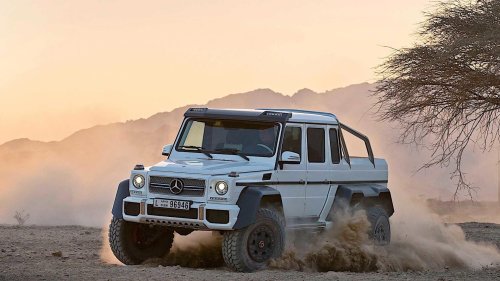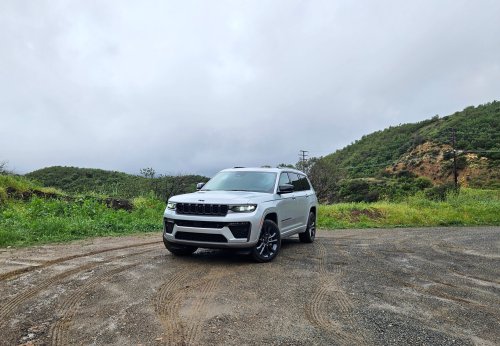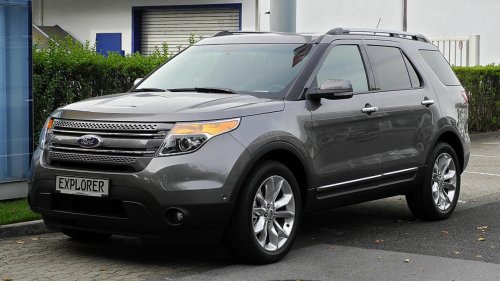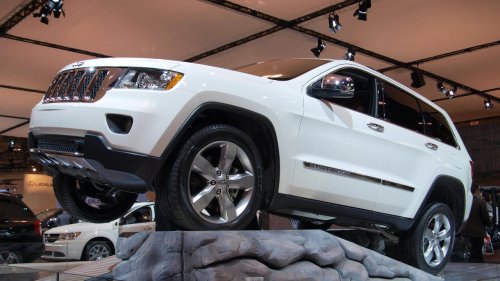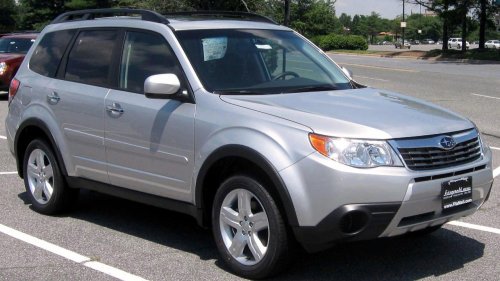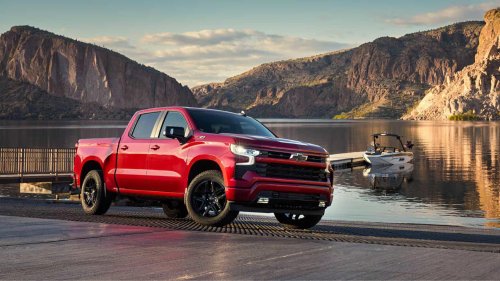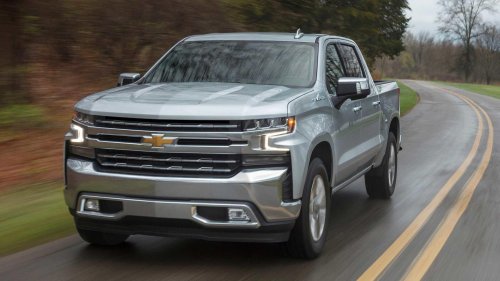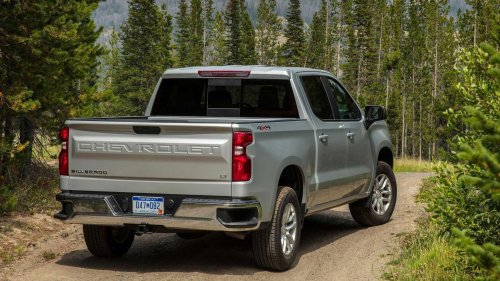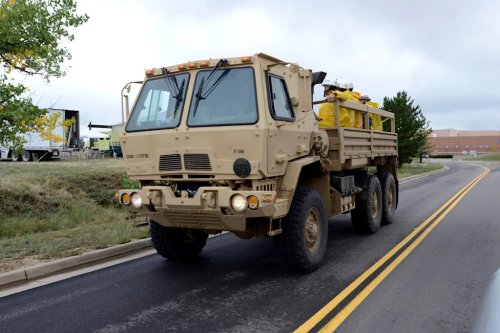
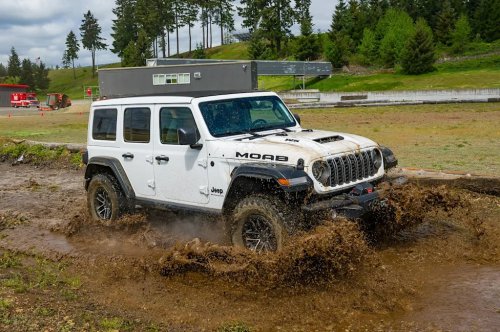
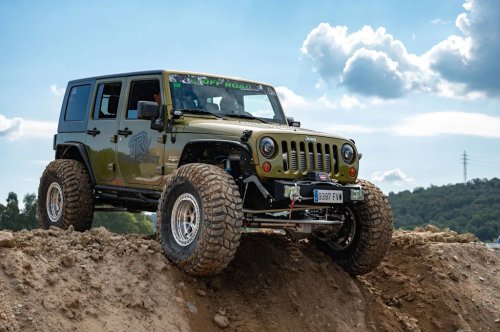
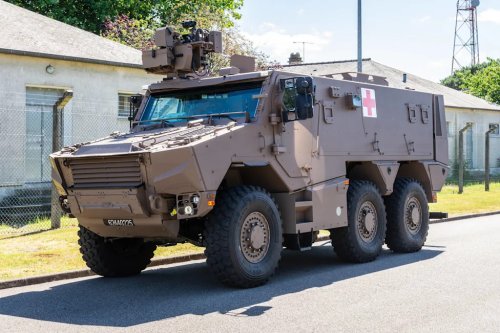
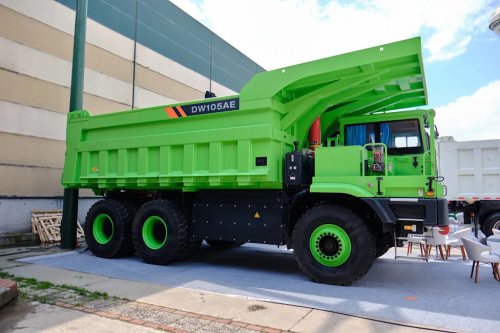
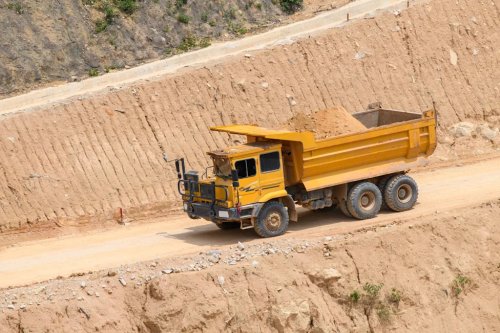





















Autoblog and Yahoo may earn commission from links in this article.Four-wheel drivetrains are the dominant layout in modern vehicles, but six-wheel drivetrains typically offer better traction and improved stability, not to mention increased weight capacities. At a glance, six wheels certainly have their advantages over four, but there are complexities lying just below the surface. Does having more wheels make a vehicle better, or is the four-wheel layout the best option we have? Well, as with everything automotive, it depends.Pros and cons of four wheelsA 4×4 system is one of the most common drivetrains in the United States due to its simplicity, utility, and practicality. By driving all four wheels, a 4×4 system improves grip on rough, slick, and uneven terrain. Compared to a 6×6 system, a four-wheel drive vehicle has fewer axles, differentials, driveshafts, and other components, resulting in less weight, better fuel economy, and a lower manufacturing cost. Vehicles with four-wheel drive are typically smaller and more maneuverable than those with a six-wheel drivetrain as well.(C) 2026 Doug Berger | DBPicsConventional 4×4 systems have their advantages in on-road driving as well. Vehicles can be both compact and comfortably driven in urban settings, all while maintaining off-road capability. They also cost less to maintain compared to a 6×6 drivetrain. As a result, a vast majority of trucks, SUVs, and military vehicles utilize a four-wheel drive system.AdvertisementAdvertisementOn the flipside, a 4×4 system isn't entirely practical when traversing more demanding terrain. With only four contact points, a vehicle that's towing or hauling heavy loads in off-road scenarios could struggle to maintain traction if one or more wheels loses its grip. Extremely heavy loads also put more demand on each individual tire and axle.Wirestock / Getty ImagesThinking about selling your car? Get an instant cash offer online now. Click here to get started.Pros and cons of six wheelsWhile not entirely uncommon, 6×6 systems are primarily reserved for "working" vehicles. A six-wheel drive system adds a third axle and second driven rear axle to the equation. Power typically flows from the transfer case to the middle axle, which then splits the torque. The additional axle increases the vehicle's payload capacity. It also helps spread the vehicle's weight over the ground, effectively increasing traction and stability as well.olrat / Getty ImagesFor the most part, six-wheel drivetrains are reserved for specialty vehicles that are expected to take the path less traveled. Vehicles with six wheels are often expected to traverse extremely rough terrain, climb over obstacles, and carry hefty loads. Large military vehicles, such as troop and cargo transports, are among the more common vehicles that utilize a six-wheel drivetrain.Adding an extra axle makes the vehicle heavier, resulting in lower fuel economy. They're also more complex, with additional suspension and drivetrain components. Not only that, but the longer chassis can make vehicles with six wheels more difficult to maneuver in tight corridors. Notably, adding more wheels doesn't necessarily make a vehicle better in off-road scenarios. Vehicle weight, wheelbase, ground clearance, and tire size are just a few other factors that you'll also need to take into account.Ferda Demir / Getty ImagesShopping for a new car? Click here to get a great deal on your next vehicle. Powered by Carvana, no haggle pricing, 100% online.Use cases for six wheelsTypically, six-wheel vehicles are called upon when the need for immense hauling capabilities and extreme off-road mobility clash. Military vehicles are often used to transport fuel, ammunition, and communications equipment across terrain that sees few, if any, vehicles. While a standard 4×4 truck might struggle, vehicles equipped with a six-wheel drivetrain tend to thrive on soft, wet, or loose ground.Jordan Lye / Getty ImagesAdvertisementAdvertisementNotably, six-wheel trucks are also common in mining and forestry, among other industries. Firefighting and emergency rescue agencies also utilize six-wheel vehicles to reach locations that would otherwise be inaccessible. Expedition vehicles make another strong use case for six-wheel drivetrains, as the extra axle allows drivers to combine long-distance off-road capability with hefty payloads.Tyrrel P34 Formula 1 race carLike many other fascinating endeavours, the idea behind six wheels on a vehicle isn't limited to the most practical use case. Rather, engineers and automakers have gone above and beyond to create plenty of six-wheel spectacles over years, but one project in particular stands out from the crowd. In the case of unconventional 6×6 vehicles, it's the Tyrrel P34 Formula 1 race car.Clive Mason / Getty ImagesThe Tyrrel P34, also known as "six-wheeler," is arguably one of the most famous examples of an unconventional vehicle with six wheels. Rather than putting four wheels at the rear, as was standard at the time, Tyrrel kept two larger wheels at the rear and placed four smaller wheels at the front. With this design, the car offered better aerodynamics while maintaining added tire and braking area. Driven by Jody Scheckter, the P34 was entered in and subsequently won the 1976 Swedish Grand Prix, making it the only six-wheeled car to win a Formula 1 race. Other teams, including Ferrari and Williams, have also put some work into developing six-wheel Formula 1 concepts, but none have won a major race. Eventually, six-wheel Formula 1 cars were outlawed, which means the P34's victory and status is effectively cemented in history, so to speak.Rainer Schlegelmilch / Getty ImagesFinal thoughtsThanks in part to its on-road mannerisms, 4×4 remains the dominant configuration for most off-road vehicles. While a six-wheel vehicle can deliver extraordinary traction and stability in harsh environments, they aren't practical for everyday use. The additional components require more maintenance, and the added weight reduces fuel economy. That's not to mention the potential maneuverability issues that come with the vehicle's increased size. AdvertisementAdvertisementDisclaimer: Autoblog aims to feature only the best products and services. If you buy something via one of our links, we may earn a commission.This story was originally published by Autoblog on Aug 22, 2026, where it first appeared in the Features section. Add Autoblog as a Preferred Source by clicking here.