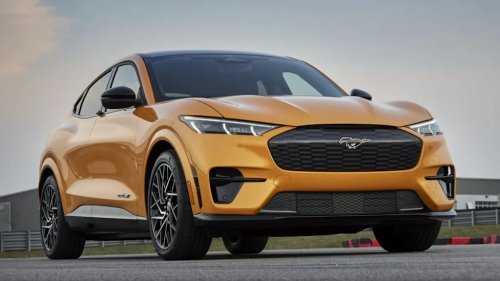
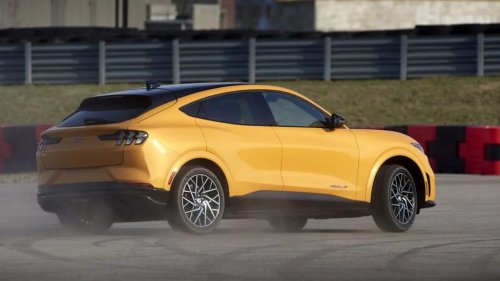
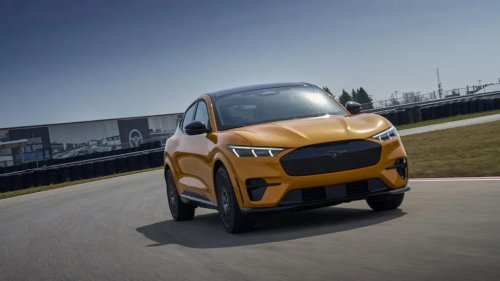
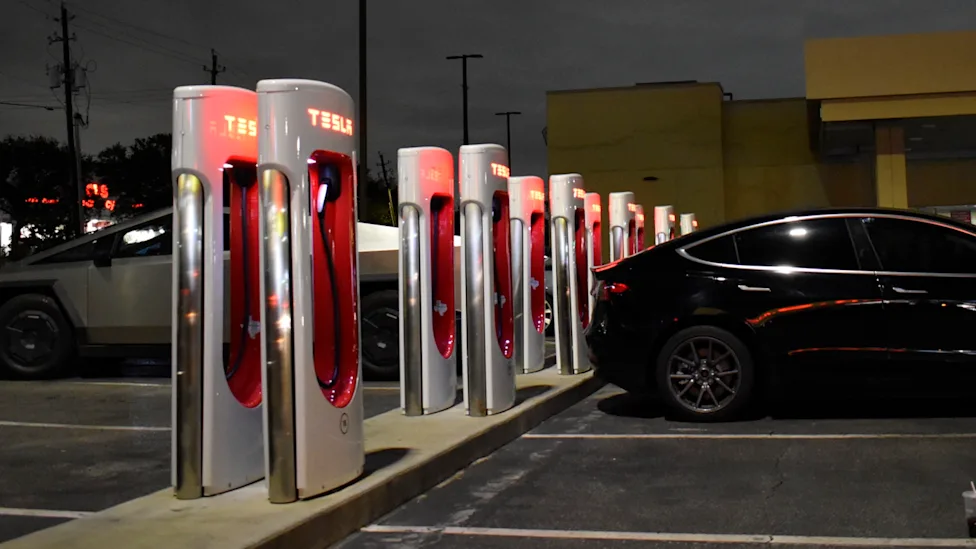
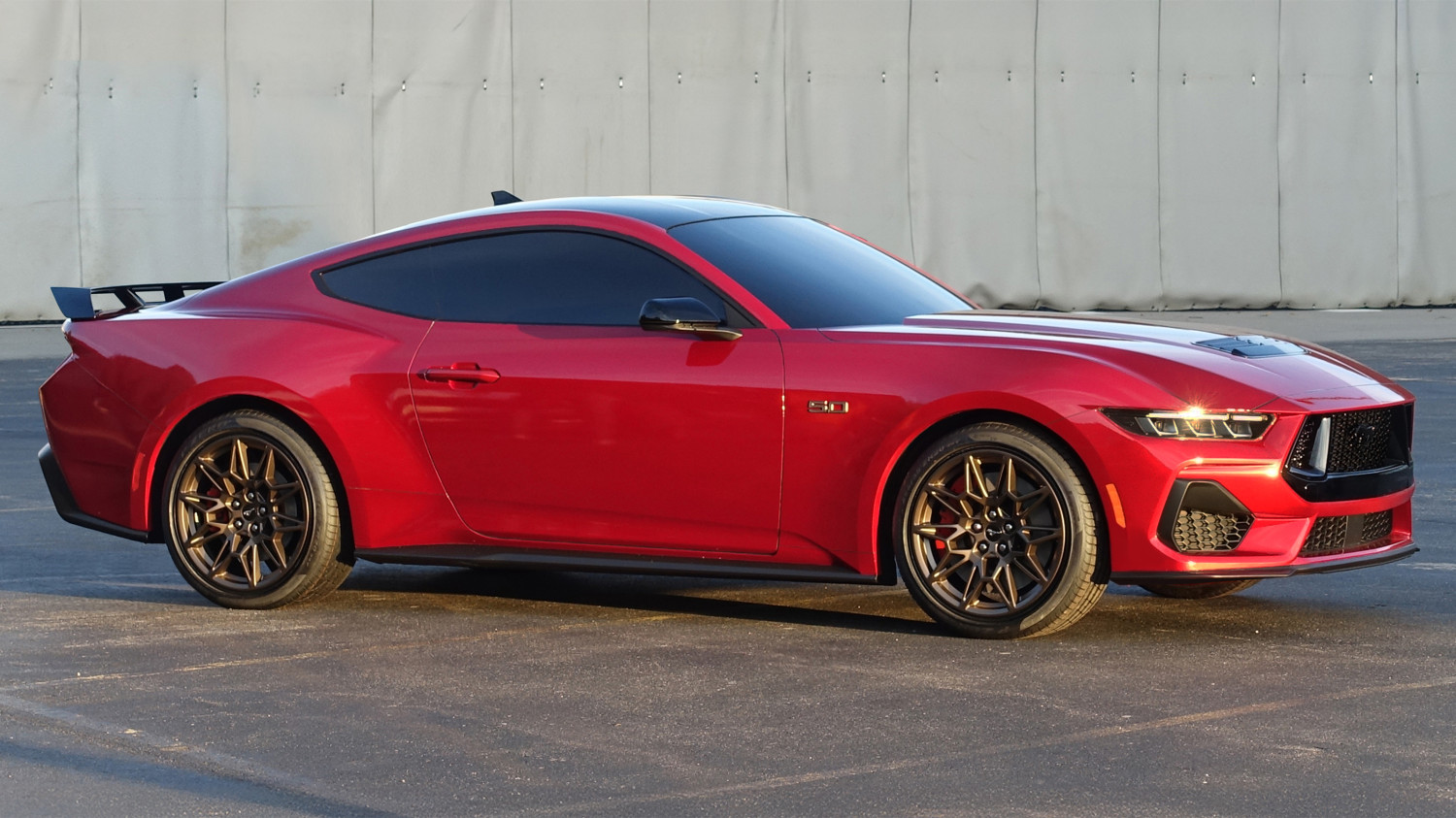
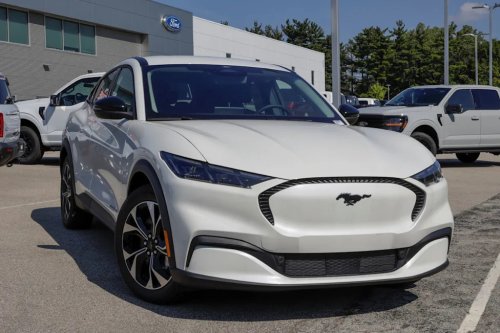
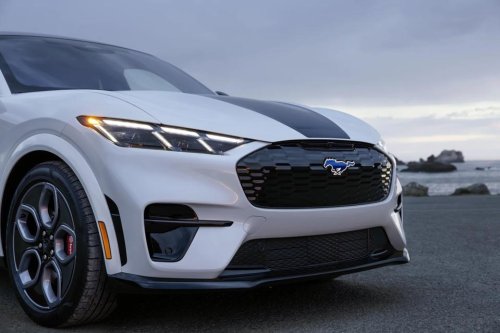
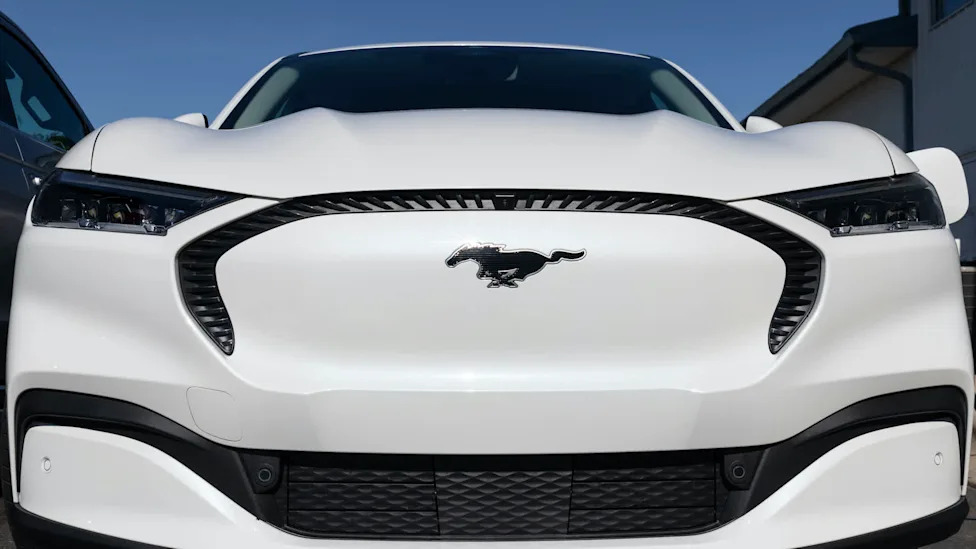
Photo Credit: iStockA 78-year-old owner's road trip in a new Ford Mustang Mach-E turned into a lesson in how the electric vehicle ecosystem can shape experience.The complaints lodged to the r/electricvehicles subreddit were not about how the EV drove but charging software, payment setup, navigation confusion, and dealership support.Here's what to knowThe original poster said his father liked the 2025 Mach-E. However, after a long drive, he concluded that there was a problem with the software. Also, "literally no one at the dealership level seems equipped to support EV owners when something goes sideways."During the trip, the OP's dad had stopped at a Tesla-Blue Oval charger. It displayed "starting to charge" but did not actually begin the session. He moved on but had to download another charging network's app to charge.While checking the Ford app that night, the driver realized his payment card had expired, but that had not been flagged when charging failed.At a Ford dealership charger the next day, staff could not help when the app wouldn't talk to the car; they told him to contact Ford support. He found a Blue Oval charger at a mall, and while that unit worked, it was a slow Level 2 charger, so he had to wait before he could get to a Supercharger and finish the drive home.The issues continued. The phone-as-key function stopped working automatically, and another visit to a dealership still did not lead to a simple fix. Ford support got it working again but only after a 30-45 minute process. The OP's dad had to call back the next day because the issue recurred.More backgroundMany drivers are drawn to electric vehicles because they reduce gas spending and cut maintenance needs, but those savings are less compelling if charging away from home is stressful or unpredictable."My parents and other relatives would save SO much money driving an EV, but they both do multistate trips every year, and I know they would not be able to figure out the public charging," one user wrote.Part of the challenge appeared to be the number of systems involved. The OP said his father was juggling the car's built-in navigation, Apple CarPlay, PlugShare, and Google Maps, noting that "that's a lot of cognitive overhead just to find a working charger."What's being doneFor many people, the frustration was about how fragmented the public charging experience remains."There should never be a need to download an app in order to charge your car," one user said. "It should be no different from the pumps where you can just tap your card and pay for what you need."The OP agreed and wrote in a comment that app charging "overcomplicates things versus just sticking a credit card reader on there like vending machines have."Tap-to-pay and plug-and-charge options are becoming more common, however, which could narrow that usability gap."I love the IONNA network for this reason," the OP shared in that comment.Where can I learn more?Charging hassles and infrastructure gaps can make EV ownership more frustrating than drivers expect.• Across the U.S., drivers describe eight charging apps, two adapters, and mystery prices on road trips.• In Los Angeles, copper theft at chargers left drivers angry and resulted in unexpectedly expensive repairs.• Many drivers say the fix is Level 2 chargers where cars sit, not more superchargers.Get TCD's free newsletters for easy tips, smart advice, and a chance to earn $5,000 toward home upgrades. To see more stories like this one, change your Google preferences here.



















 +50 others