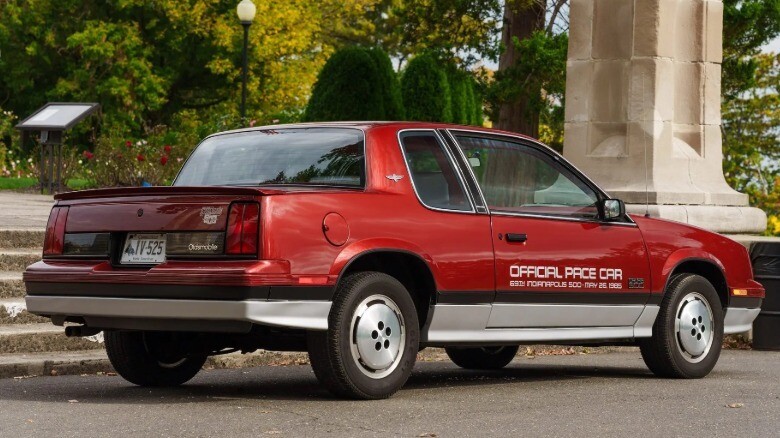
These days, just about anyone can operate a car, but if you operate certain cars, or cars of a certain age, chances are you possess a special set of skills beyond the basics. Old cars require more understanding and engagement to operate effectively, and that means drivers who routinely travel by old car are attuned to things that drivers of new cars might never come across. Does this make old-car drivers better than those who stay in the cycle of three-year leases? Hardly. Special skills are special skills, though, and some of us have honed our old-car-driving brains over many years without even realizing it. The sense for when things are going “too well” For some, the good times last forever. For the rest of us, we are keenly aware that our old car is likely never more than one small misadventure from being a nightmare. Those who drive many miles likely develop a “sixth sense” as to when an aging car is likely to need attention. Smart owners keep maintenance logs, but even then, having a feel for when the car just isn’t doing what it normally does before something actually goes wrong can be a superpower. Things like an extra crank to get the engine to fire in the morning, or a squeak that pops up on the drive home one day and disappears the next. These are the car talking to us, and with enough time you learn what is just idle chit-chat and what is a small whimper that can have big consequences. Aging cars often need regular work and tune-ups, so having a mental clock that keeps track of that schedule often helps keep the work preventative rather than always dealing with problems after something fails. A nuanced sense of smell Like a sommelier calling out the three different grapes in a fine Napa blend, old-car drivers have a magic nose for picking out what is burning under the hood. The first start-up of a freshly built engine often leads to at least a few wisps of smoke, but an experienced sniff can often take a concern and reduce it to “header paint cooking off” or “an extra drop of power steering fluid.” Who can’t tell antifreeze by its sweet smell? This is often a result of years of experience, and more than a few misadventures. Few seek out these odors, and it’s hard to disagree that many are bad for us. The reality is, keeping transportation devices running requires some bodily sacrifice, whether it is busted knuckles or a small whiff of smoke emanating from a running engine. Do so with care. Head on a swivel One of the things more than a few of us old car people will say is that our favorite part of driving old cars is the visibility. Not that others can see us, as they rarely seem to, but instead that we as drivers can see better from the seat of an older car than a newer one. That is especially nice because the vast majority of older cars still require the driver to use their neck to look around and ensure no one is hiding in their blind spot before a lane merge, or backing out of a spot in the parking lot at the same time. The ability to reverse without a backup camera is not a superpower, but at times it sure can feel like one. Effort is a good thing This usually comes from being able to put in the effort to turn the steering wheel or press the brakes, as many modern drivers tend to equate the amount of effort needed to stop or steer directly with the system’s efficacy. This is often false. Just because the brake pedal is stiff does not mean the brakes don’t work. That can be the case, but sometimes fully functioning systems just require a certain amount of effort to work. Older steering wheels had a large diameter for a reason, and that reason was leverage. Overboosted power steering and brakes make cars easy to drive all the time, but the effort of old cars makes them rewarding to drive any time. Finding comfort with less Even the accoutrements of older luxury cars pale in comparison to the standard features on many common cars these days. Leaving behind heated and air-conditioned seats is one thing, but to regularly drive an older car often means leaving behind lumbar support and only having two-way adjustment. Call it being humble, but I guess some of us can develop the ability for just about any seat to be comfortable. The angle of Chevrolet bucket seats from the 1960s simply works for me on road trips. Surely it has nothing to do with my ability to maintain a stretching routine every night. Regardless, most old cars just have less. Less sound deadening. Less safety. When you immerse yourself in their experience, old cars train you to appreciate simplicity. Sure, the creature comforts of aftermarket cup holders and power ports are always popular, and we have to admit there is a certain amount of compromise that makes our old rides just a little bit easier to enjoy. That said, once you’ve had the car version of Marie Kondo, it’s hard to go back to a dash full of screens. The ability to wait Things just take longer with old cars. From the extra time dealing with “while-I’m-in-there” fixes when doing maintenance to stopping for fuel more often while out on the road, owning an old car takes patience. Owning an old car is a hobby, and we use hobbies to fill the time we have with joy. An old car can and will take up all the time you can give it—and then some—if you want it to. Waiting on a shop to complete restoration work. Waiting on parts to arrive in the mail. Waiting for the last batch or junkyard finds to magically clean themselves. When you get down to thinking about the timeline of old car ownership, we spend a lot of time waiting. Oh, and you just might have to wait for a tow truck once or twice. It happens. Knowing the importance of maintenance Many new cars are surprisingly tolerant of deferred maintenance. Old cars can be, too, but a smart driver knows that letting a car rot around you is hardly the way to treat something that traverses traffic at roadway speeds. No, old car owners develop the skill of maintenance, whether they do it themselves or schedule it with their favorite shop. Either way, you learn to become a custodian of something you treasure, and that’s often a skill that transfers to other belongings in your life. It’s cliché to say that old cars are a way of life, but when you consider how you become attuned to their ways of communicating and how you evolve to tend to an inanimate object’s needs, the saying isn’t that far off. Think you have one that should make this list? Leave it as a comment down below. Looking to purchase a car? Find your match on the MSN Autos Marketplace

 Liked by Daniel Bouchard, William Girard
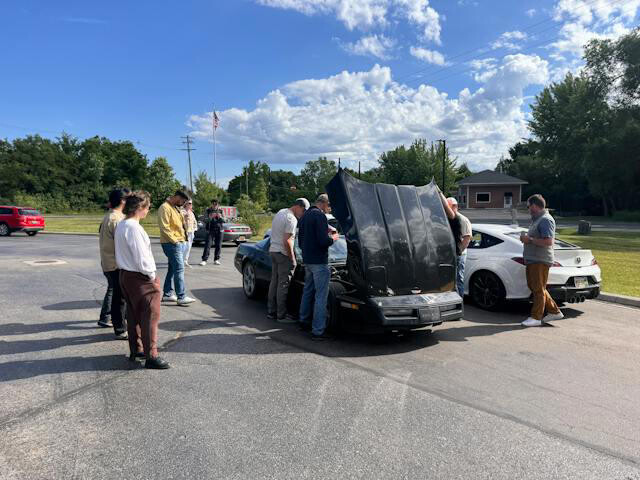
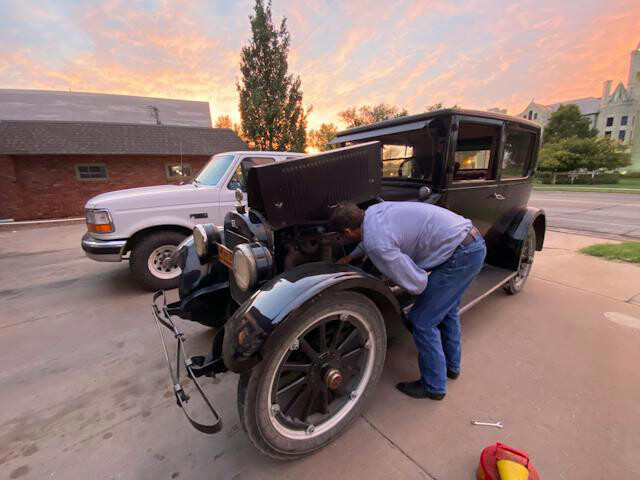


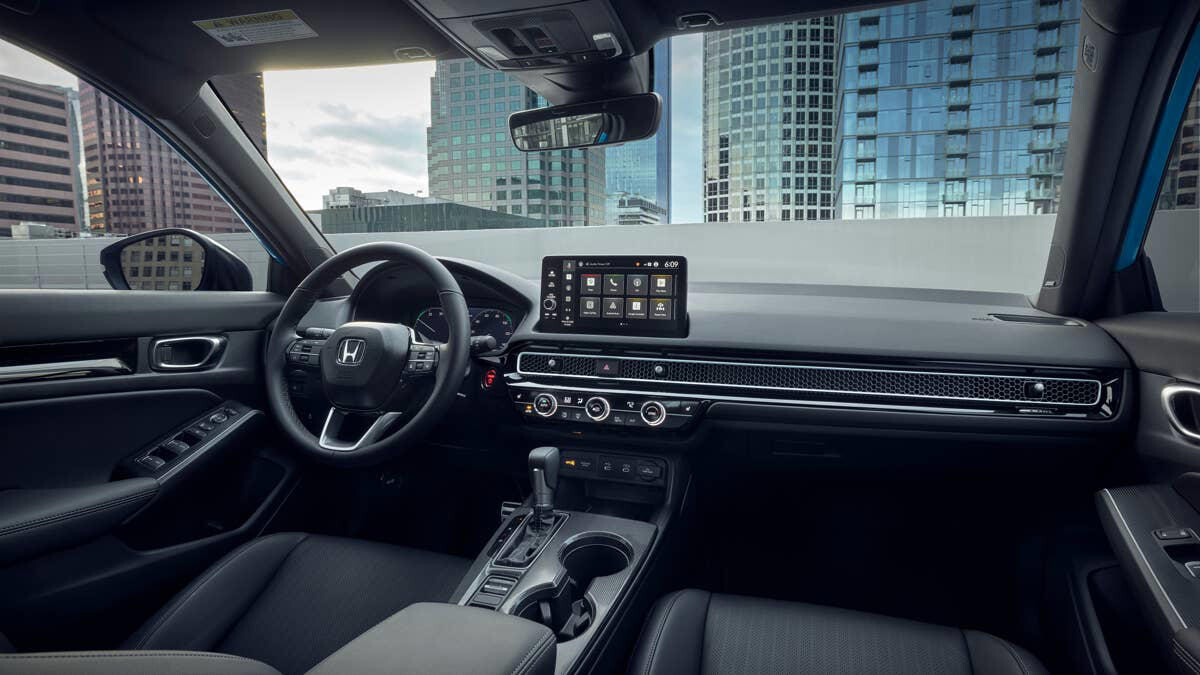



 Liked by Daniel Bouchard, William Girard