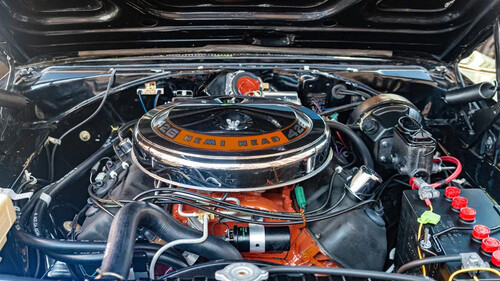
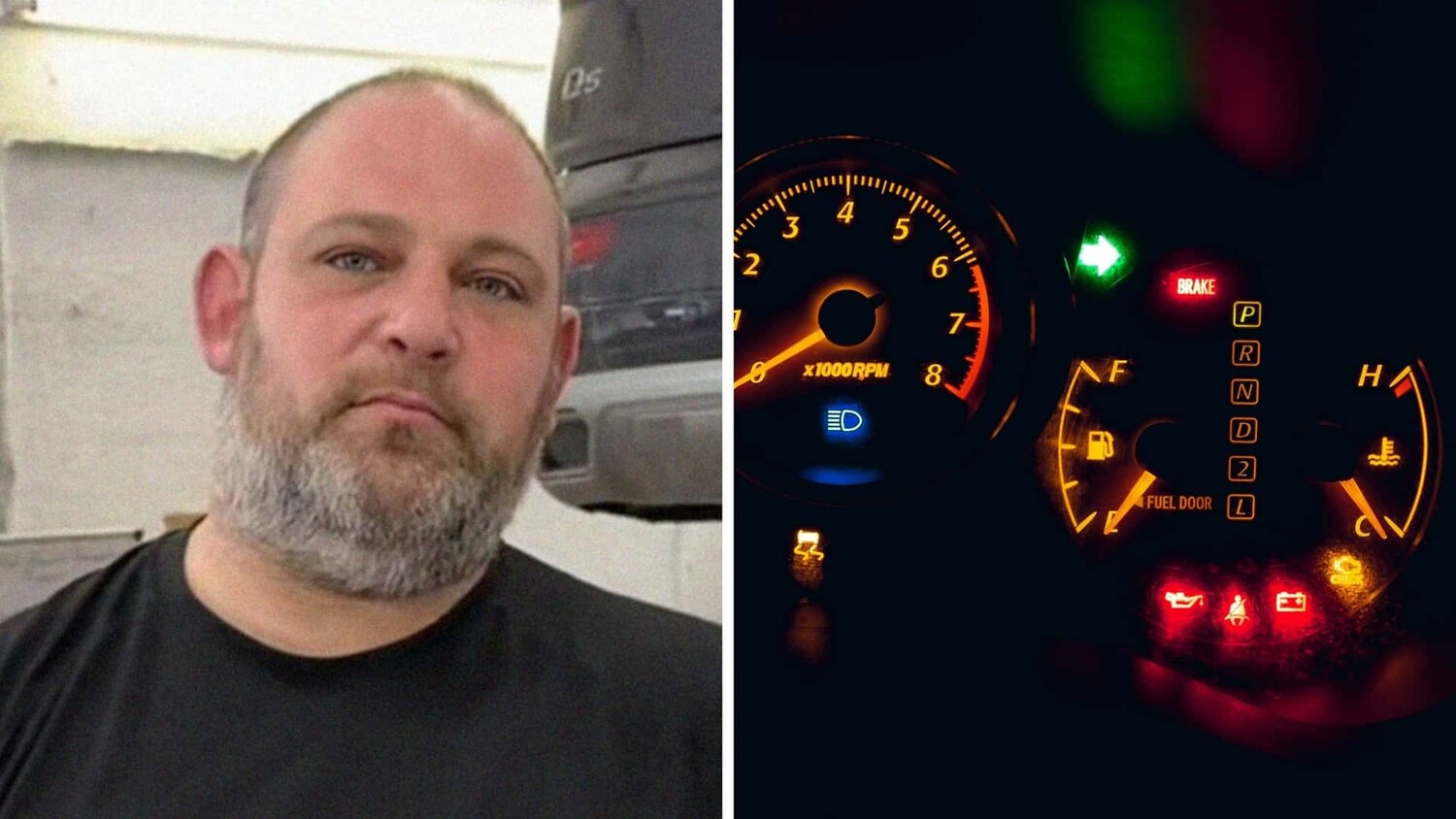
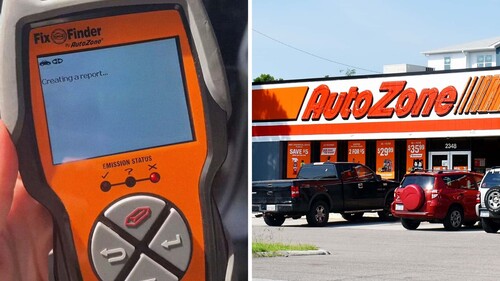
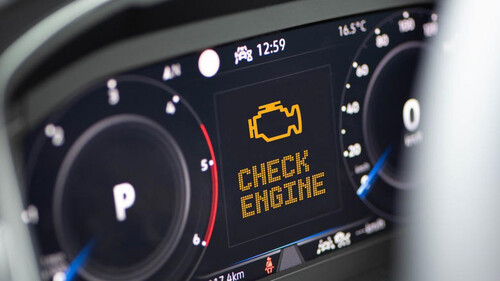
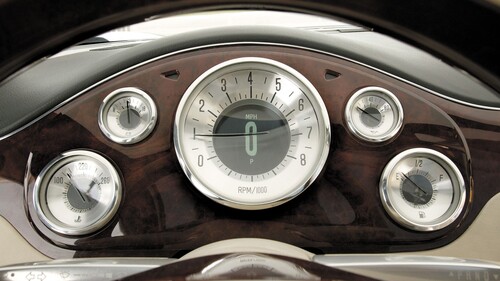
The check engine light can turn on for a wide range of reasons.Imagine you're driving around and all of the sudden you see that orange light appear on your dashboard. That light delivers a message of mystery and dread: "Check engine." It could mean something very wrong is happening to your car. Then again, it could just be a loose gas cap. Sure, a loose gas cap is usually the best case scenario, but you still wasted time and may even be saddled with an unnecessary bill from your mechanic. Still, ignoring the check engine light entirely is dangerous. It could mean you vehicle is unsafe or damaged. The longer you ignore it, the more damage (and cost) can build up. So, what can you do?Luckily, there are things you can investigate yourself when the check engine light comes on. When you know what to do, you have a better chance of identifying and eliminating easy-to-solve problems. thus saving yourself a trip to the mechanic and any big bills that might come with it. If you find the problem is over your head, you then know without a doubt an expert's eye is needed.AdvertisementAdvertisementThat said, here is what to check for when your check engine light suddenly comes on:Make sure the gas cap is tightly onAs mentioned above, the check engine light could be on when your gas cap isn't. Double check to make sure it's screwed on tight every time you fill up the tank. If the light pops back on after you tighten the gas gap, check it again. Examine the gas cap's rubber seal for any debris, cracks, or hardening. If it's sealed tight and the light's still on, you've got a different issue on your hands.Check your oxygen sensorsOxygen sensors help keep the air-fuel mixture in balance in modern engines. If there is a problem with it, it can't accurately measure exhaust oxygen which can lead to inefficient combustion, higher emissions, and other issues. Other telltale signs of an oxygen sensor issue include more frequent fill-ups, rough idling when the engine is already warmed, and rotten egg-like smell coming from the tail pipe.Take a look at your oxygen sensors for corrosion or damage. They're typically in the exhaust system near the catalytic converter or exhaust manifold, but look through your car's manual to make sure. Make sure the wires connected to them aren't cut or damaged either. If everything looks good but the oxygen sensor looks dirty, clean it with the proper cleaner. That might do the trick.However, if the oxygen sensor is damaged, it might be time for a pro or a trip to the autoparts store if you're handy. But if they look good and you're not experiencing any of the symptoms, it could be a different problem.Examine the car batteryThe check engine light can come on if there is an issue with your car battery. Check to see if everything is connected and make sure there's no corrosion. You'll also want the battery tested, perhaps at an auto parts shop or through services like AAA. If the battery is clean, connected, and powered-up, then your search for what's causing the check engine light continues.See if it's a dirty catalytic converterA check engine light can come on when the catalytic converter is damaged. If it is ,then there are likely other issues with your car that helped cause that damage. Sometimes, though, the catalytic converter isn't damaged—it could just be dirty. If so, a good cleaning could fix the issue. AdvertisementAdvertisementYou'll have to purchase a cleaner specialized for catalytic converters from an auto parts store or online. It should cost you around $30 (and will likely be cheaper than a visit to the auto repair shop.) If the clean catalytic converter doesn't do the trick, there's something more that's causing the check engine light.Analyze your mass air flow (MAF) sensor for dirt, bugs, and leavesThe mass air flow (MAF) sensor is installed in the air cleaner duct or housing so it can meter the air that enters your engine. Depending on your car's make and model, it could have a VAF Signal Voltage style sensor or the less common Karman Vortex air flow sensor. If there is no sign of damage but the sensor is dirtied by the elements, the check engine light could be resolved by giving it a good clean. However, know which type of MAF sensor you have because a Karman Vortex air flow sensor should NOT be cleaned.It's important to note that the MAF sensor is delicate and requires a cleaner that is specifically made for it. An auto parts store can help you find the right cleaner and provide you with additional tips. Depending on your handiness, it might not be worth doing this yourself.Know when you need to pay a pro for safety's sakeIf you have done these checks and the light is still on, it's time to get a professional. Ignoring a check engine light can be incredibly dangerous. It could lead to further damage to the car and possibly an accident if left unattended.AdvertisementAdvertisement"Never ignore a warning light. It's the biggest mistake car owners make and if it's left too long, a small fix can quickly become a big bill," automotive specialist Luke Oswald tells GOOD.If it's time for a mechanic, be sure to be extra cautious driving your vehicle to them. You may want to get your car towed to them, especially if the check engine light is flashing. Many cars also have built-in diagnostic capabilities that can report trouble codes and even schedule service appointments through them, saving you time.No one wants to pay more than they need to, however safety should always be a top priority.The post 5 things to do when the car's check engine light comes on before spending money at the mechanic appeared first on Good.is.