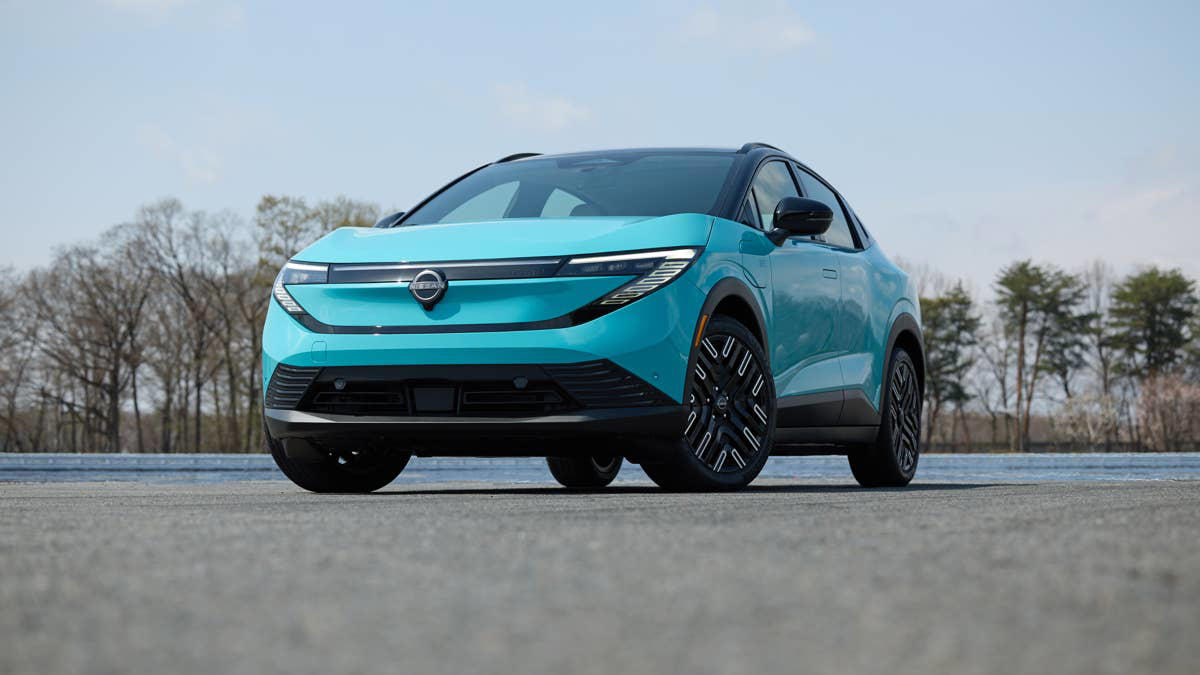
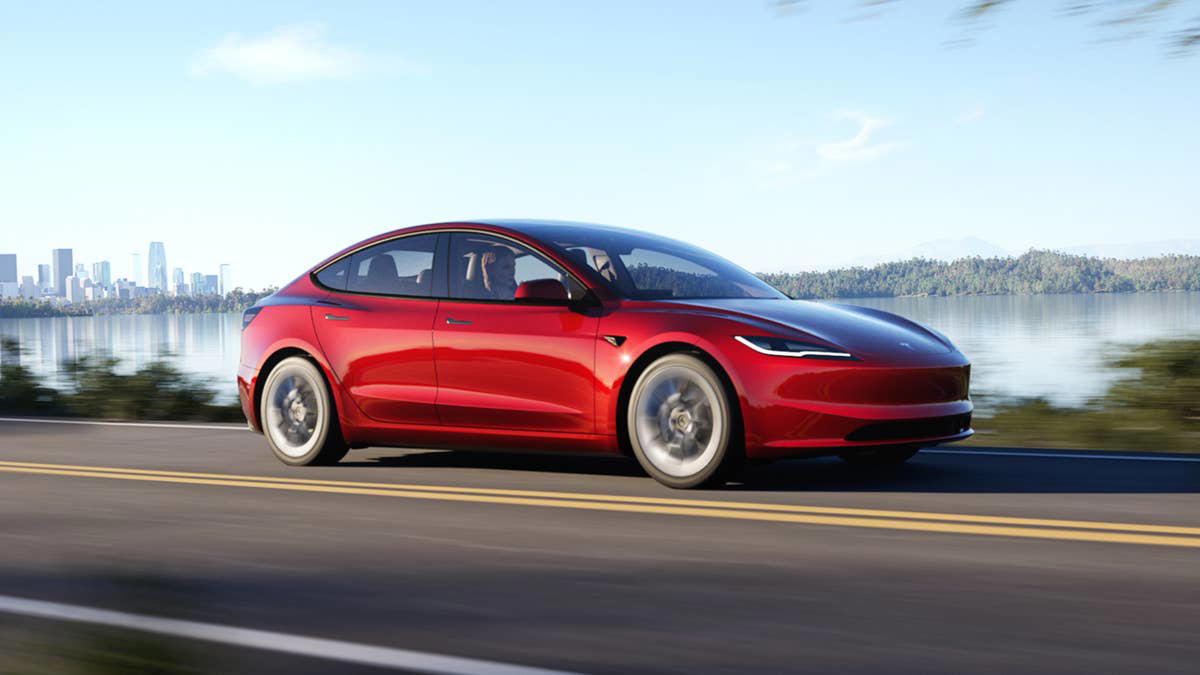
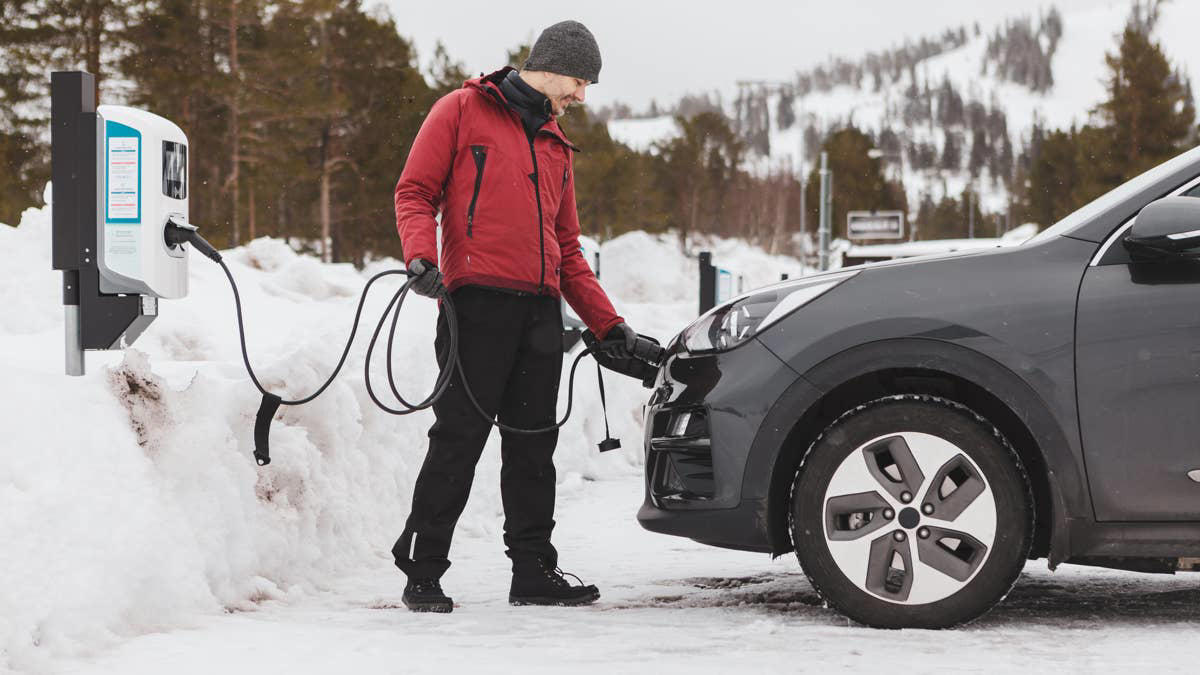
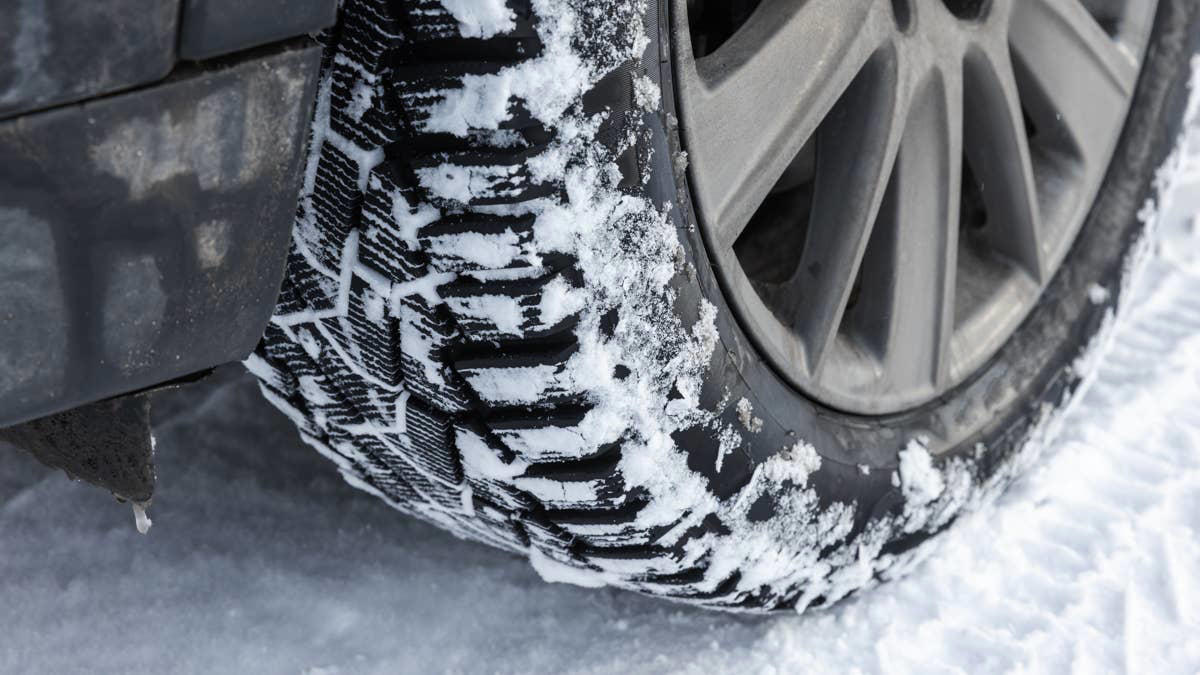
EVs have come a long way in terms of range, with many models capable of traveling upwards of 300 miles on a single charge. Some of the more efficient battery-powered models even manage to exceed 400 miles, putting them in close competition with gas-powered vehicles. As anyone who has ever driven a car already knows, advertised range figures aren’t always accurate. Just like in gas-powered cars, an EV’s real-world driving range can fluctuate considerably depending on several factors, ranging from weather conditions to tire selection. How the EPA determines range In the United States, the Environmental Protection Agency (EPA) is responsible for testing vehicles and putting out official range estimates. While these figures are effectively a standardized way to compare different vehicles, they aren’t always representative of real-world driving. In order to determine an EVs estimated range, the EPA puts vehicles through a series of tests on a dynamometer, a set of rollers that essentially simulates driving. The overall efficiency and range estimate is a result of multiple testing cycles. Unfortunately, laboratory testing doesn’t recreate every factor a vehicle will experience on an actual road. For example, testing often doesn’t account for temperature, elevation, and road surfaces. In short, EPA estimates for EVs are largely a useful benchmark for consumers to compare vehicles. Depending on where and how they’re driven, two EVs with an identical EPA range estimate might deliver surprisingly different results. Highway vs city driving While highway driving is generally more efficient for gas-powered vehicles, that isn’t true for EVs. Electric motors are more efficient at lower speeds, and regenerative braking allows them to recover some of the energy lost when slowing down. This makes the stop-and-go traffic typically found in urban areas ideal for EVs. Vehicles traveling at high speeds experience more air resistance, and an EV needs to use more energy to overcome that resistance. As a result, their estimated range will drop quicker while traveling on the highway. While an EV may have an EPA-estimated range of 300 miles, for example, maintaining high speeds could reduce its practical highway range by a fair amount. Naturally, not every vehicle is created equal. Aerodynamic design, drivetrain efficiency, and tires all play a role in an EVs performance and efficiency on the highway. Traveling at upwards of 70 mph makes it even more unlikely an EV achieves the advertised range. According to testing done by Car & Driver, the difference between traveling at 55 mph and 75 mph in a Kia EV9 amounted to a 109-mile drop in range. In a Lucid Air sedan, the 20-mph increase in speed reduced range by 88 miles. Driving in cold weather It’s no secret that extreme temperatures can be tough on all kinds of vehicles, but cold weather in particular can lead to a rather dramatic drop in an EV’s range. This is largely due to the chemical reactions that take place in lithium-ion batteries. When temperatures drop, the reactions become less efficient, resulting in a reduction in the amount of energy available. While slower reactions within the battery reduce driving range, they aren’t the only problem. Unlike vehicles with combustion engines, EVs don’t produce a substantial amount of heat that can be directed into the cabin. As a result, they need to use electricity for their heating systems to function. Heat pumps have become the most popular solution. According to a report by Recurrent, EVs with heat pumps see their cold-weather driving range improve by up to 31%. In addition to heating the cabin, battery management systems draw additional electricity in winter as well. On the bright side, drivers can mitigate these range losses, at least to some extent. Preconditioning warms the cabin and battery while the vehicle is connected to a charger. Utilizing heated seats and steering wheels offers some comfort while using less energy than heating the cabin as a whole. Driving habits, tires, and other factors Even in ideal weather conditions, two identical EVs can deliver much different driving ranges, and it all boils down to the driver’s habits behind the wheel. Aggressive acceleration and driving at high speeds can reduce an EV’s efficiency. While regenerative braking can help recover some energy that would otherwise be lost, it isn’t a replacement for accelerating smoothly and maintaining reasonable speeds. While often overlooked, tire selection can play a role in an EV’s overall efficiency as well. Tires have different rolling resistance characteristics that directly affect the amount of energy a vehicle needs to continue moving. Tires with low rolling resistance are generally the more efficient option. Keeping tires at the proper pressure can help improve range as well, as underinflated tires create additional rolling resistance and require the electric motor to work harder. As with all vehicles, weight plays an important role in an EV’s range as well. Thanks in part to their large battery packs, EVs are typically on the heavier side when compared to their gas-powered counterparts. Adding passengers and cargo in the equation only makes weight even more impactful. While electric motors can move an impressive amount of weight efficiently, a higher load still requires more energy. Final thoughts An EV’s EPA-estimated range is a great starting point, but it doesn’t tell the full story. Rather than acting as a guaranteed measurement, it serves as a standardized way for consumers to compare vehicles. As it currently stands, real-world driving brings variables that laboratory testing can’t replicate. Moving at highway speeds, cold temperatures, and aggressive driving habits all play an important role in how far an EV can travel on a single charge.

 Liked by Mia Macdonald, Amélie Gagnon










 Liked by Mia Macdonald, Amélie Gagnon


