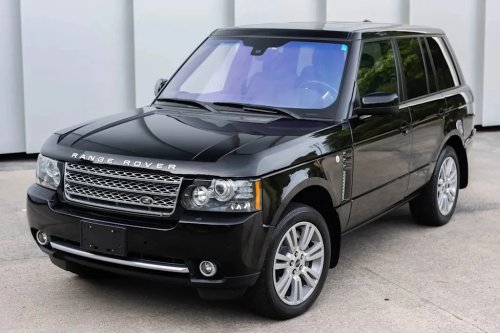
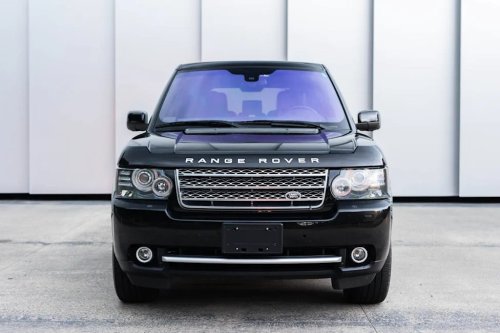
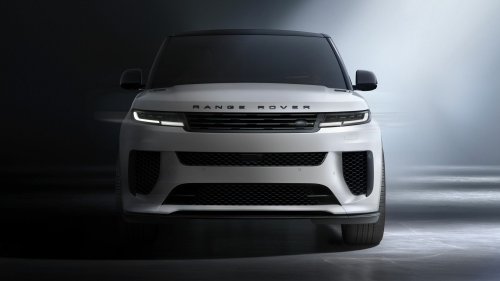
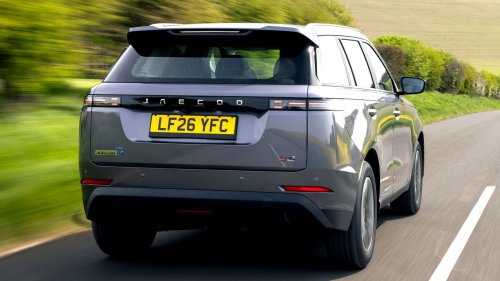
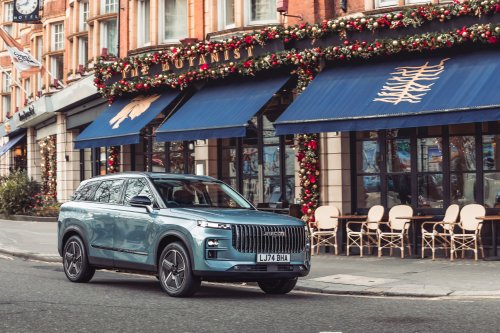
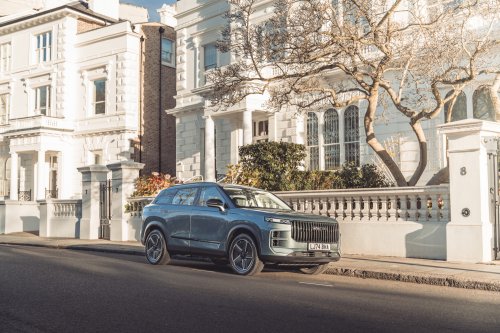
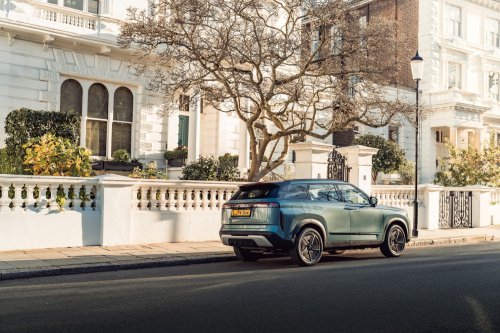
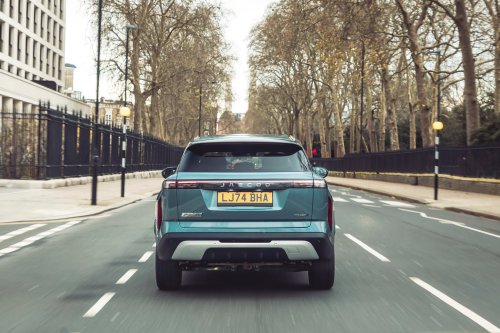
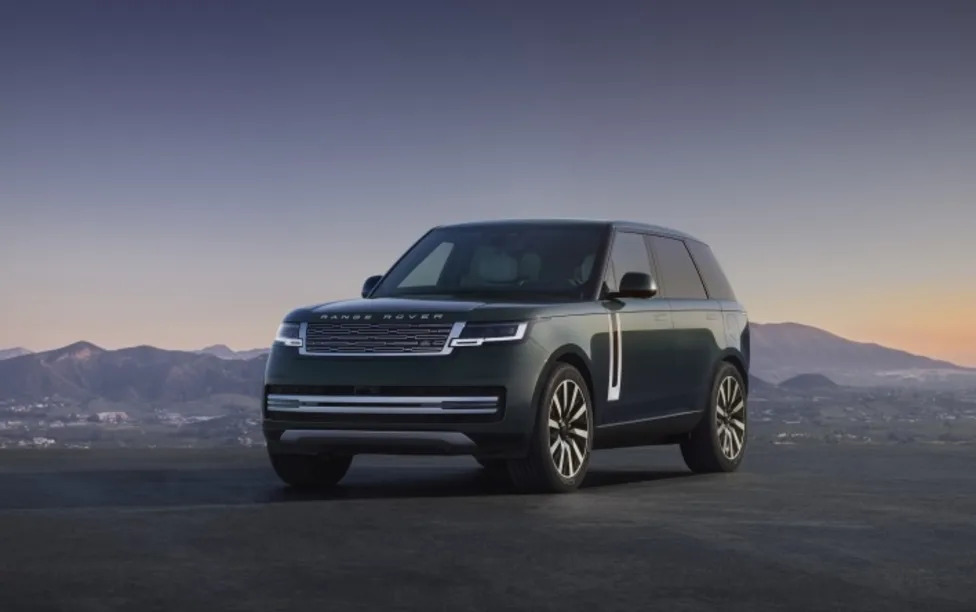
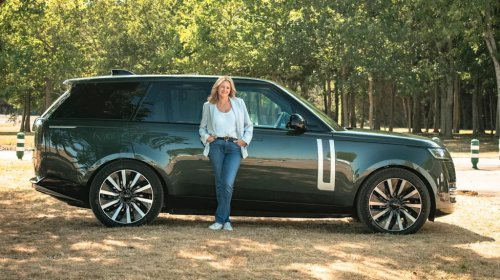
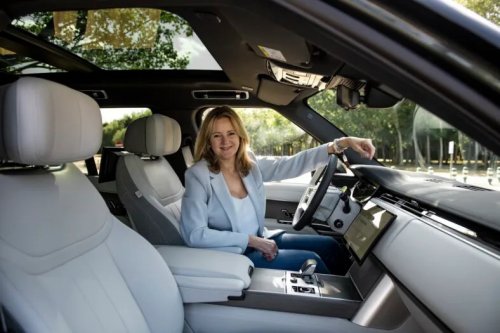
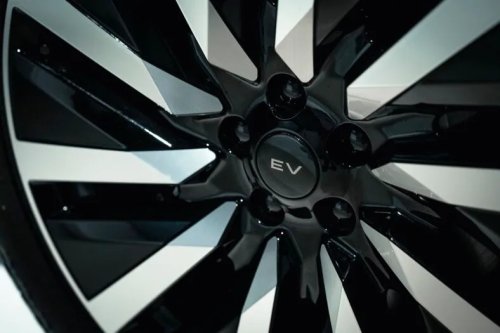
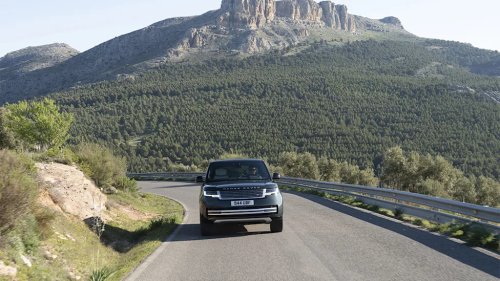
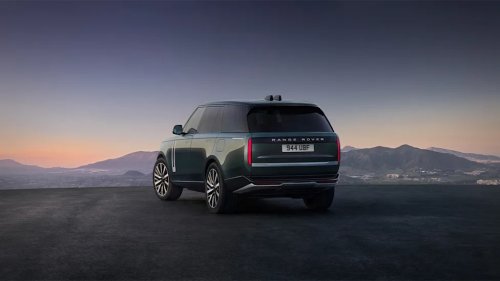
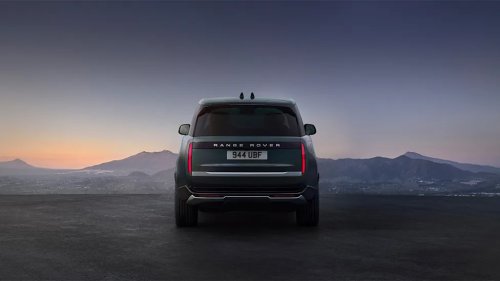
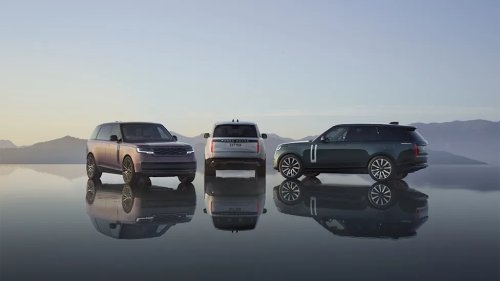
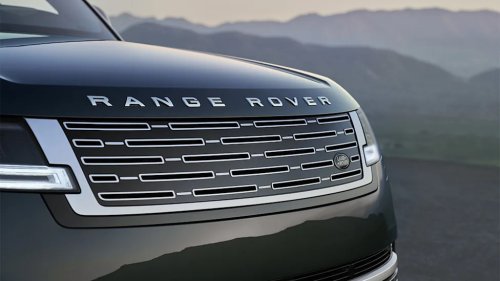
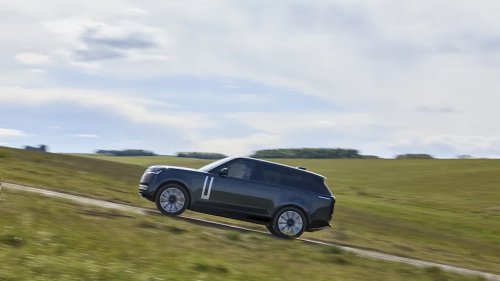
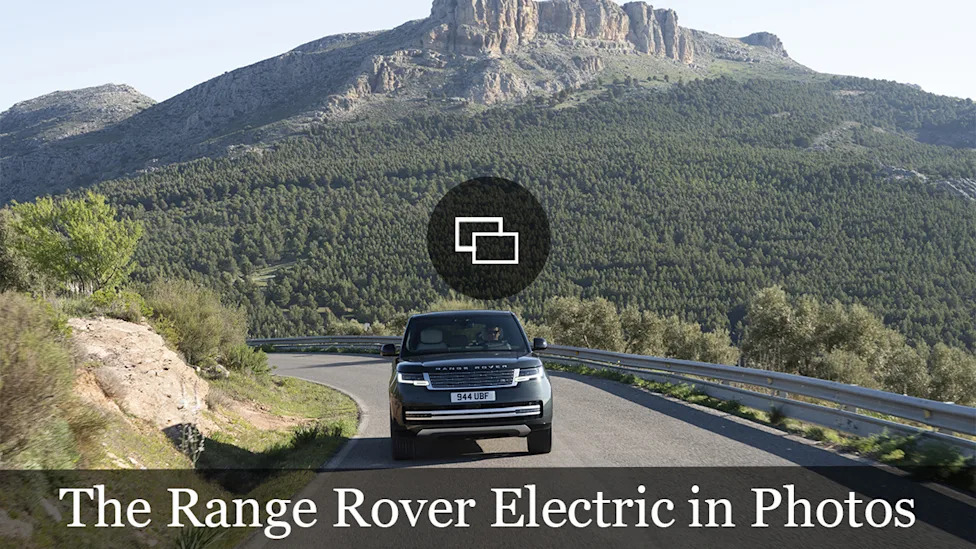
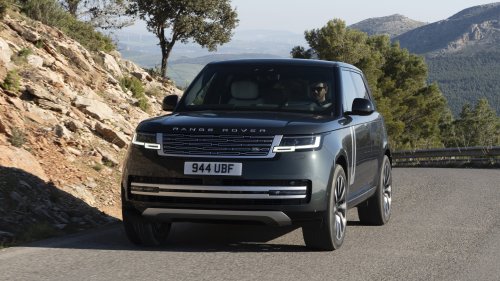
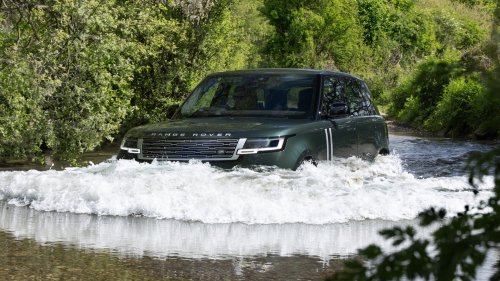
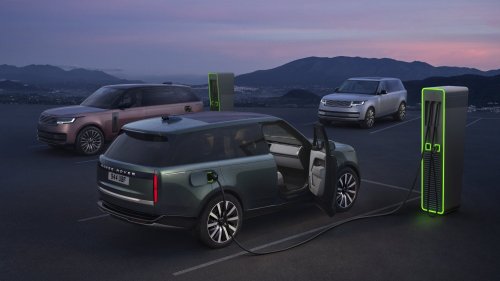
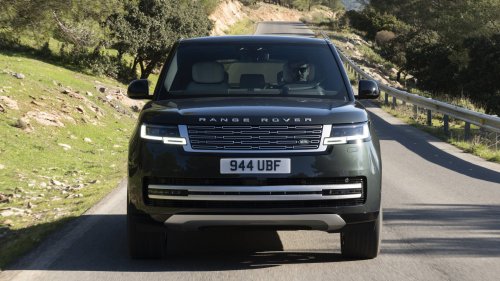
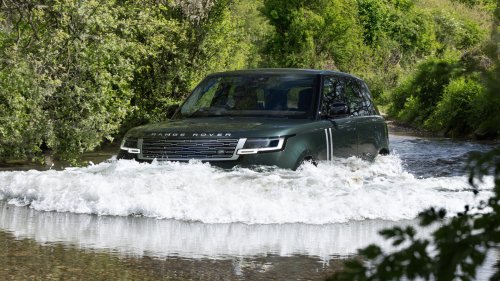
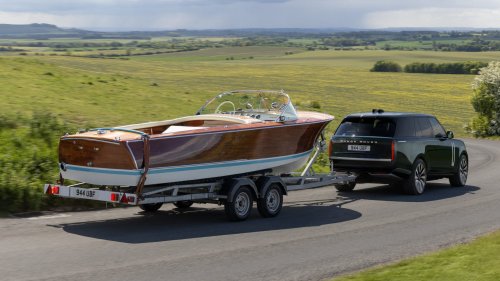
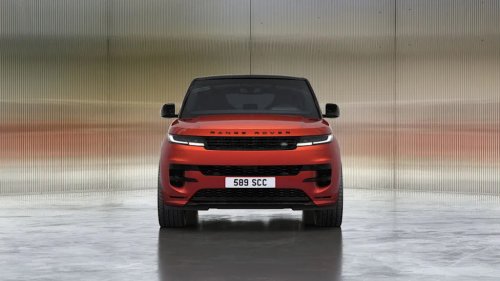
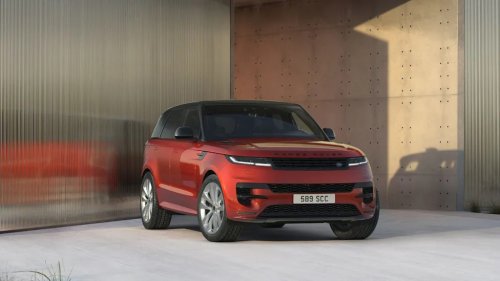
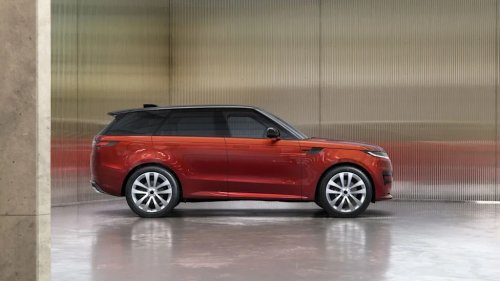
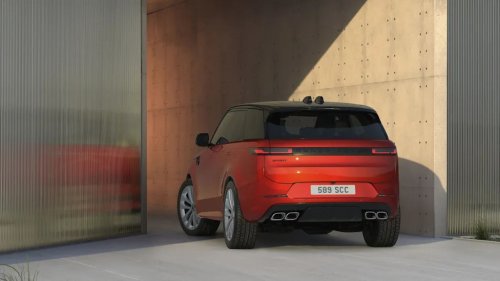
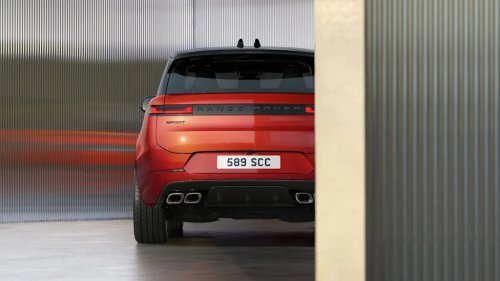
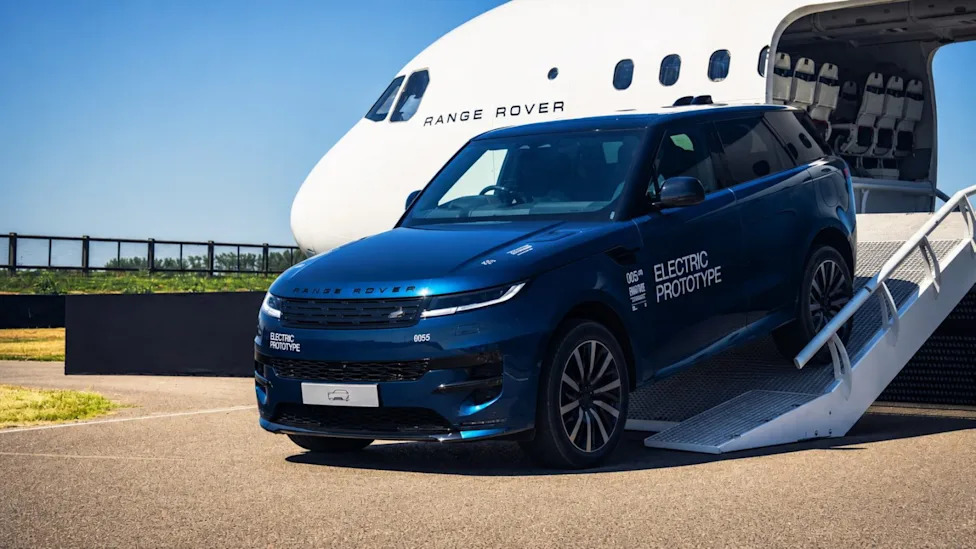
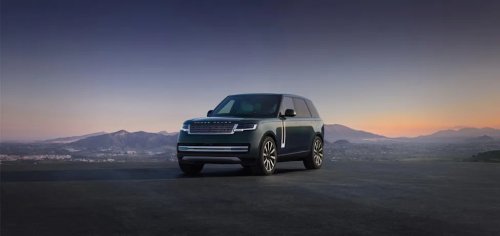
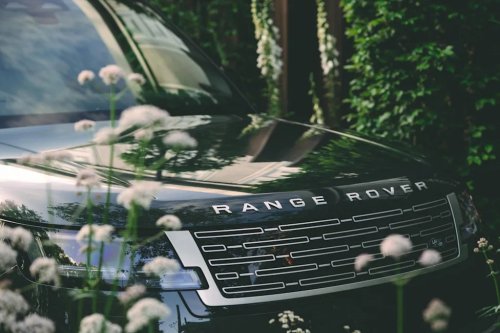
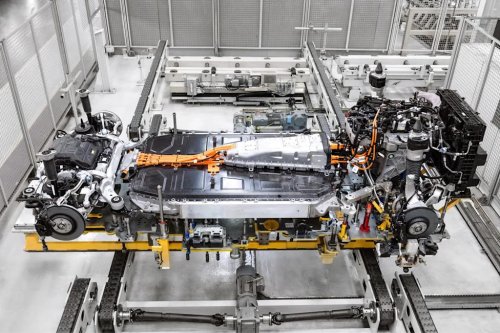
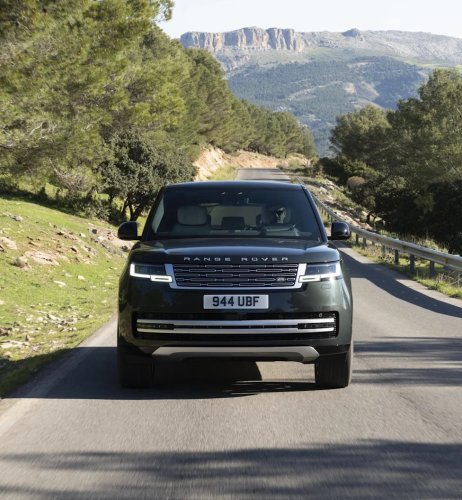
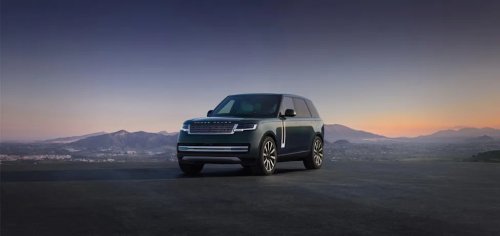
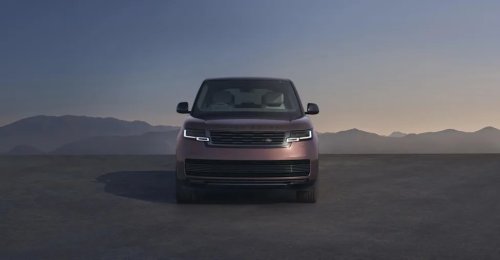
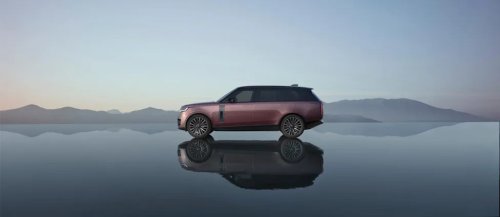
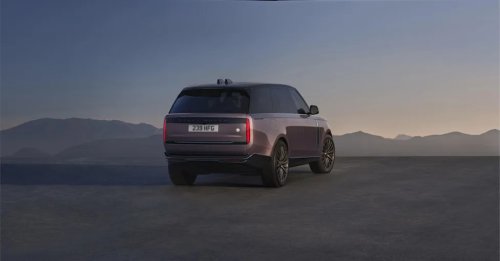
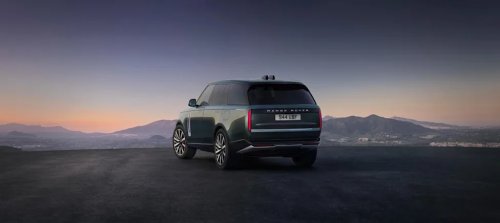
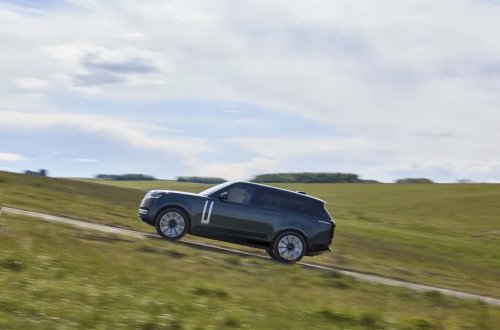
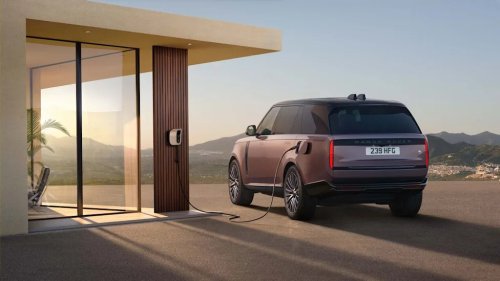
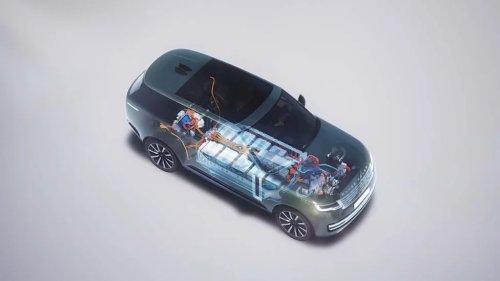
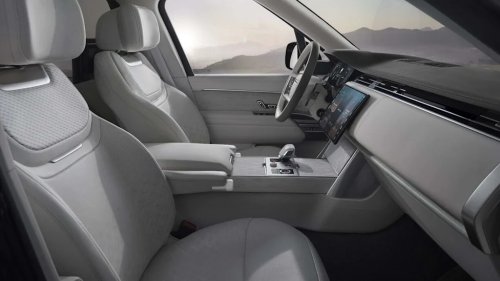
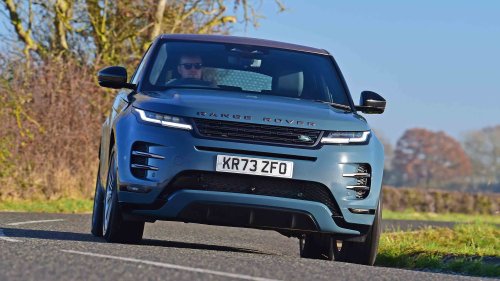
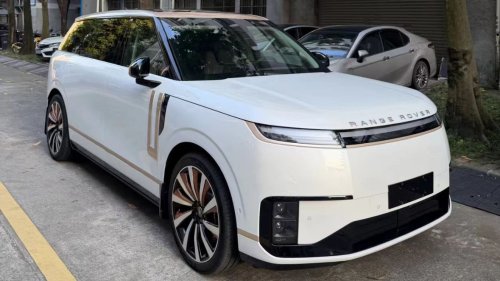
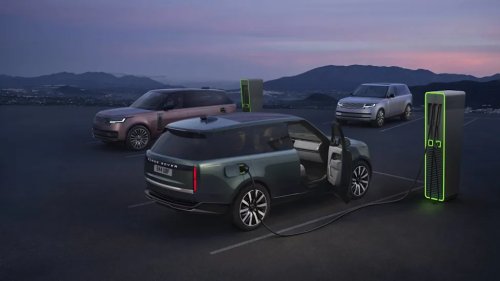
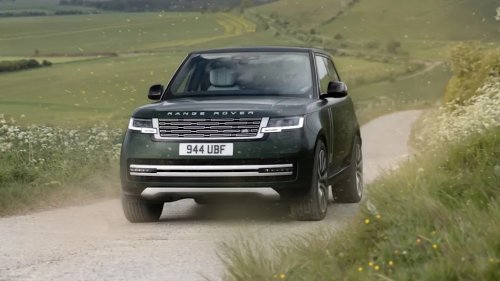
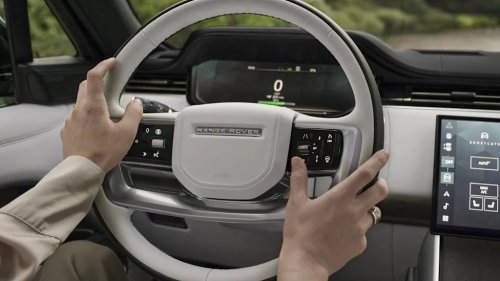
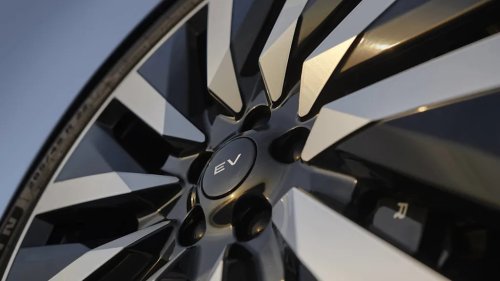
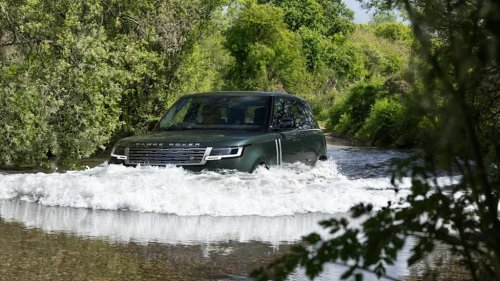
Autoblog and Yahoo may earn commission from links in this article.JLR has just unveiled the first-ever Range Rover EV, and it's exactly what you'd hope to see if you already love the luxury SUVs in combustion form and were expecting the same levels of excellence with the Electric. The name hints at the strategy and styling: just because it's an EV doesn't mean it has to break any molds in the experience and aesthetic departments. Instead, the RR EV sets new standards for the brand in torque and sheer volume of associated engineering patents (330 applications filed) that promise to make the Electric just as capable on any surface as regular Range Rovers, if not more so. Let's jump into the headlines.2027 Range Rover Electric: Big Torque, Sufficient Range, Lavish LuxuryJLRTwo permanent magnet 260 kW electric motors with silicon carbide semiconductors, one on each axle, produce a total of 542 horsepower and 627 lb-ft of torque, the most in any Range Rover yet and 20 percent more than others of the same size. The motors are finessed by the Integrated Traction Management system, controlling motor speed within 50 milliseconds and managing slip up to 100 times quicker than a combustion drivetrain could. This lets a driver use Single Pedal mode to crawl 33-degree inclines, and if you give the Range Rover Electric a rolling start, 45-degree slopes can be conquered. Its off-road ability also shows in its wading depth, which matches gas Range Rovers at up to 35 inches. And the 118.5kWh (usable) battery, which sits within the same architecture as a gas Range Rover, protects its 344 prismatic cells within a high-strength aluminum enclosure, so shrugging off rock scrapes and high-impact knocks should be a cinch. In fact, Range Rover says it completed over 900,000 miles and over a quarter of a million hours of real-life and virtual testing, respectively. 900,000 miles is the same as driving around the world 38 times, and with tests in temperatures from ‑40°F to +194°F, it will easily stand up to everyday conditions.JLRView the 4 images of this gallery on the original articleAdvertisementAdvertisementRange on the 800-volt setup with split-charging and heat management tech is estimated at up to 333 miles on the EPA's evaluation cycle, and as you'd hope, it has an NACS port to let you access Tesla Supercharger stations. On a DC charge, 10-80 percent can be achieved in roughly 22 minutes. If you only have 10 minutes, you'll have enough juice to do 125 miles, which is itself more than most Range Rover drivers' daily commute, and thanks to the new Range Rover App, overnight charging can be optimized to take advantage of lower charging rates. The app also provides remote access to features like the heated steering wheel or cabin purification system, lock status, live location, and predicted driving range. Of course, a Range Rover of any sort needs to be quick, and this is: 0-60 mph takes 4.3 seconds, and on the highway, overtakes will be easy, 50-75 mph taking as little as 2.7 seconds.2027 Range Rover Electric Styling and PricingJLRView the 4 images of this gallery on the original articleOutside, the Electric is nothing overtly unusual; a sleeker (market-dependent) grille, a lack of exhaust tips, and SV-exclusive 22-inch wheels are the only tells. There's more familiarity in the cabin, where the large central screen, physical shifter, single center console volume knob, and luscious leather create a sense of tranquility. At least, when everything is clean. Like other RRs, you get scroll wheels, but there are still haptic buttons and gloss black plastics in too many touchpoints.At a starting MSRP of $138,000, the Range Rover Electric starts considerably higher than a base Range Rover SE ($113,000), and it will surely be even more expensive in the typical First Edition models, which will come in Belgravia Green, Santorini Black, or Varesine Blue and new Light Clout Ultrafabrics and Kvadrat textiles. Bespoke services are also available if you really want to go crazy. Orders are now open, but will they be filled?Autoblog's TakeJLRThe first time a respected, richly heritigious legacy automaker goes electric is a big deal, but the key to success seems to lie in how it's handled. Ferrari's Luce has been branded loathsome, and on a more down-to-earth level, the egg-shaped EQS is overly eccentric, yet still bland. Maranello and Mercedes both went wacky, but while the first-ever Range Rover Electric is crammed with patented innovations, it's taken its styling lead from the company it'll stop paying if V8 engines are someday no longer needed, BMW, which makes the i7 and 7 Series nearly identical for good reason. People have built relationships with brands over years or even decades because they like what's on offer, so the off-road ability and, more superficially, the cosmetic consistency established under former design boss Gerry McGovern's guidance are the figurative baby, and in this particular case, combustion is the bathwater.AdvertisementAdvertisementWe think this has the potential to be massively popular, particularly across the Atlantic, but also here; those who want traditional Range Rover elegance, opulence, and off-road excellence with the smooth serenity of electric propulsion aren't making any sacrifices, except perhaps in cargo space (TBD) and tire wear, and those who want something more radically styled will soon be served. Which route proves more popular may inform future design decisions.JLRView the 7 images of this gallery on the original articleThis story was originally published by Autoblog on Sep 2, 2026, where it first appeared in the News section. Add Autoblog as a Preferred Source by clicking here.



















 +43 others