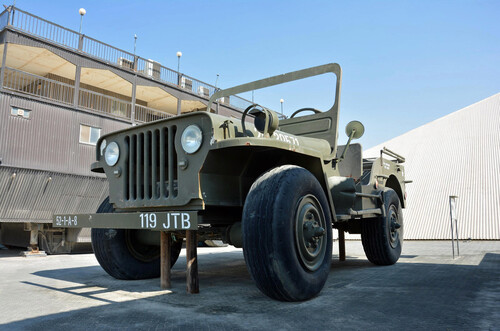
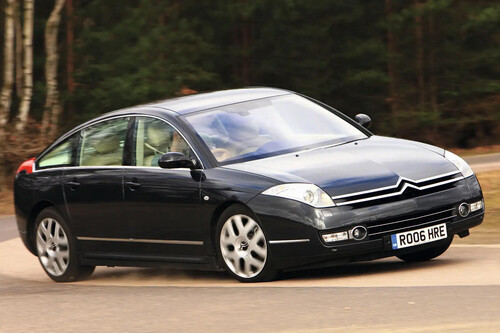
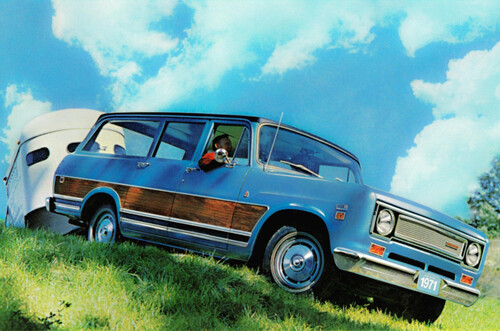
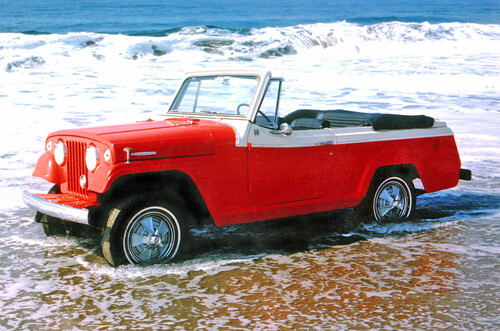
Ride Out The BlackoutWhen the world goes dark, only a few machines can keep moving. An electromagnetic pulse, or EMP, can wipe out anything with sensitive electronics and leave most modern vehicles stranded. However, some rides are built differently. Mechanical and surprisingly resilient, they might just outlast the chaos. So, let’s discover which vehicles could keep rolling when everything else stops, then stick around to see what makes each one a survivor worth knowing.1. Willys MB JeepBorn in World War II, the Willys MB Jeep was built between 1941 and 1945. It carried soldiers through mud and gunfire. Its 134-cubic-inch 4-cylinder engine had no electronics and remained naturally immune to EMPs.2. Volkswagen Beetle (Pre-1975)Designed in the 1930s, those pre-1975 versions of the VW Beetle ran on air-cooled, carbureted engines with no complex wiring to fail. The rear-engine layout helped it conquer hearts and break the Ford Model T’s record by 1972.3. Ford Model TBack when driving meant knowing your machine, the Ford Model T set the standard for simplicity. Built from 1908 to 1927, it started with a hand crank instead of electronics. Nicknamed the “Tin Lizzie,” it could run on gasoline, kerosene, or ethanol.4. Dodge Power Wagon (1940s–1950s)In the postwar years, America needed real workhorses, and the Dodge Power Wagon delivered. Launched in 1946, it was a civilian take on a military legend. With a carbureted inline-six engine and no electronics to fail, it became the nation’s first true 4x4 pickup.5. Land Rover Series I–IIIThe first Land Rover arrived in 1948 and took inspiration from the wartime Willys Jeep. It had aluminum bodies that resisted rust and carbureted engines that needed only basic tools. These Series I–III models still cross continents today.6. Toyota Hilux (Early Carburetor)You can tell a lot about a truck by what it survives. The Toyota Hilux, first built in 1968, ran on a carbureted engine with hardly any electronics. It endured Top Gear’s near-destruction tests and still roared back to life—a reminder that simplicity can outlast anything.7. Mercedes-Benz UnimogThe Unimog was never about luxury. Since 1948, this “universal motor device” has handled everything from snow plowing to military logistics. Early versions used mechanically injected diesel engines, with no sensors or chips to fail.8. International Harvester ScoutBuilt between 1961 and 1980, the International Harvester Scout became the adventurer’s 4x4 long before SUVs filled suburban driveways. The carbureted engine and simple electrical system make it nearly immune to EMP interference. Offered in both two- and four-wheel drive, it conquered mud, sand, and snow with equal ease.9. Pre-1980s Harley-Davidson Kickstart MotorcyclesHarley-Davidson’s pre-1980s kickstart models ran on carbureted engines and mechanical ignition. That kick lever became a badge of honor, representing the raw connection between rider and machine. Many vintage fans still swear by these classic, EMP-proof beasts.10. UAZ-469 Military Utility VehicleWhen the Soviet Union needed an all-terrain machine that wouldn’t quit, the UAZ-469 answered in 1972. With its simple carbureted engine and almost no electronics, it could cross rivers and rocky areas that would halt other vehicles. In fact, it’s still used by militaries and police worldwide.11. M35 “Deuce And A Half” Military TruckIn 1950, the U.S. military rolled out the M35, a 2.5-ton 6x6 truck built for serious hauling. The mechanical gasoline engine kept it going in the harshest environments. With zero reliance on electronics, it stayed dependable through battlefields and conditions that would destroy most modern trucks.12. Pinzgauer Military Utility VehicleSome vehicles were born for adventure, and the Pinzgauer was one of them. Built in Austria in the late ’60s, it used a carbureted, air-cooled engine that kept things brilliantly simple. Portal axles lifted it high above rough terrain, turning it into a near-indestructible off-roader.13. Kubota Mechanical Diesel TractorKubota tractors prove that simple design still wins. The company started making them in 1960, and early models like the L2501 used purely mechanical diesel engines. No electronic fuel systems, no circuits—just old-fashioned reliability.14. Steam LocomotiveBefore wires or electric grids, steam power ruled the rails. Fueled by coal or oil, these locomotives worked entirely on mechanical systems. The first full-scale version appeared in 1804, and even today, their engines can roar back to life with nothing more than heat and water.15. BSA Bantam MotorcycleThe BSA Bantam was Britain’s scrappy little two-stroke built from 1948 to 1971. It used a carbureted engine and was based on a German design. Over 400,000 were made, earning it a spot as one of the most accessible, EMP-proof classics on two wheels.16. Citroën 2CVFarmers in postwar France needed something light and reliable; the Citroën 2CV nailed it. Launched in 1948, it used an air-cooled, carbureted engine and barely any wiring. Its suspension was so soft, testers claimed it could cross a plowed field with eggs onboard and not crack one.17. Fiat Panda (Early Carburetor)The first Fiat Panda, launched in 1980 and designed by Giorgetto Giugiaro, was a masterpiece of simplicity. With a carbureted engine and minimal electronics, it offered durability, efficiency, and practicality that outlasted trends and technology alike.18. Bedford Military TrucksThe British Army relied on Bedford QL trucks during and after WWII for their sheer toughness. They ran on simple gasoline or diesel engines without electronics, meaning they could keep moving even after an EMP.19. Amphibious DUKW Military VehicleThe DUKW was a truck that could swim. Used in WWII, it carried troops and supplies straight from ship to shore. The gasoline engine and mechanical controls made it both tough and simple. Even its name was practical: “DUKW” was a manufacturer code, not a nickname.20. Early Honda CT90 Trail BikesBuilt for trails, not traffic, the Honda CT90 hit the dirt in 1966. It had a small carbureted engine and a clever dual-range gearbox for climbing or cruising. Farmers, hunters, and adventurers loved it because it could go anywhere and survive just about anything, EMP included.