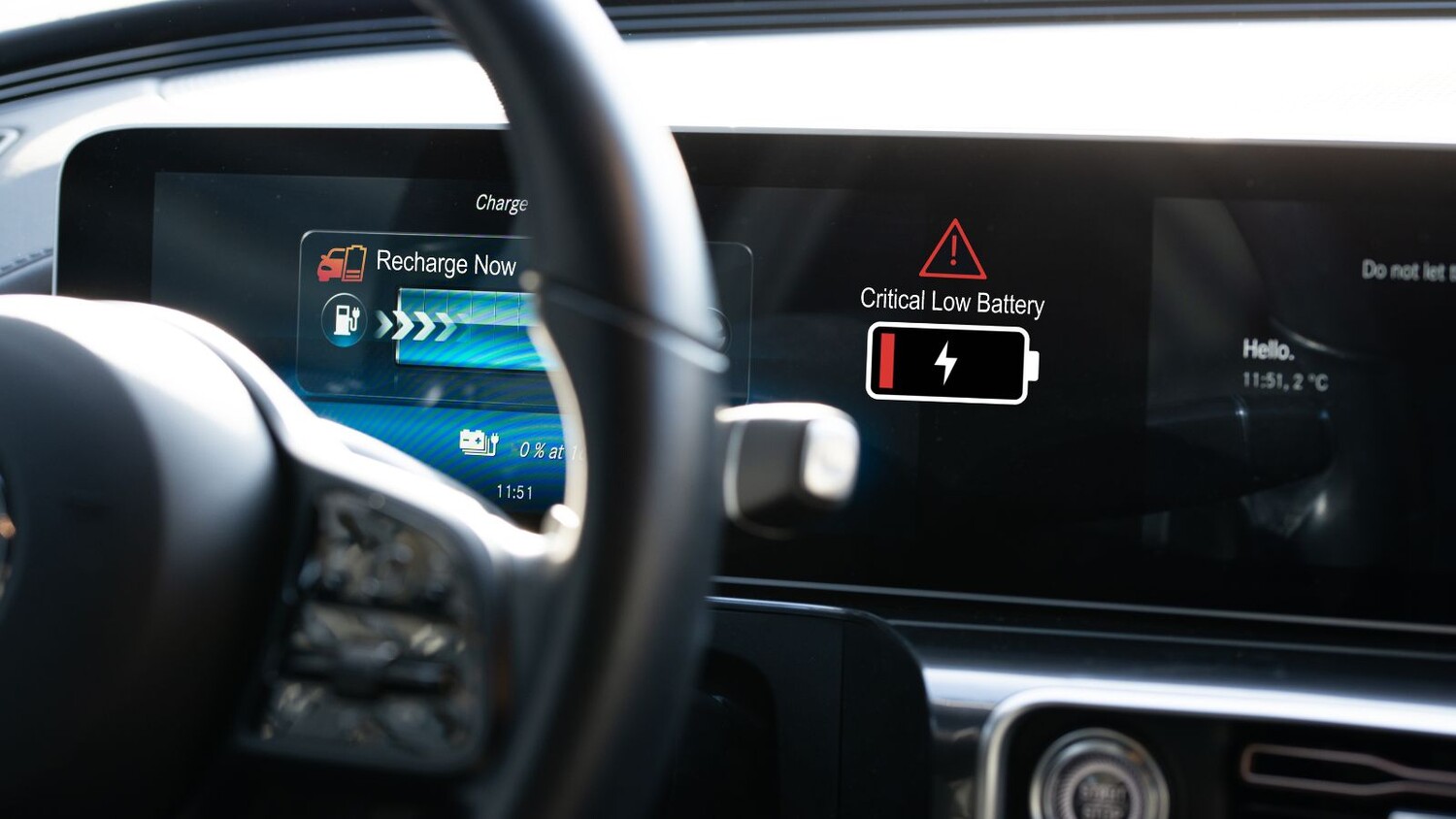
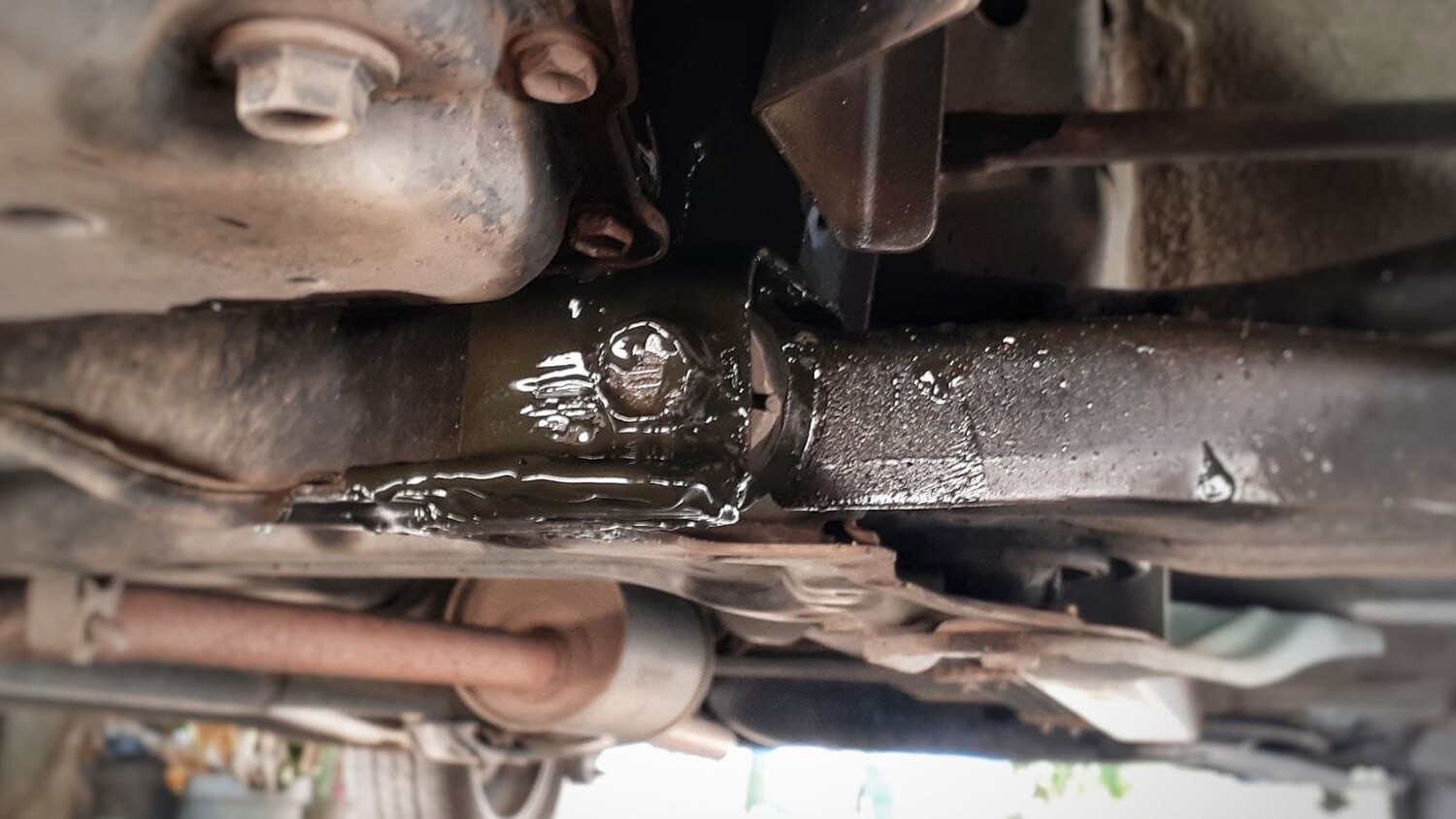
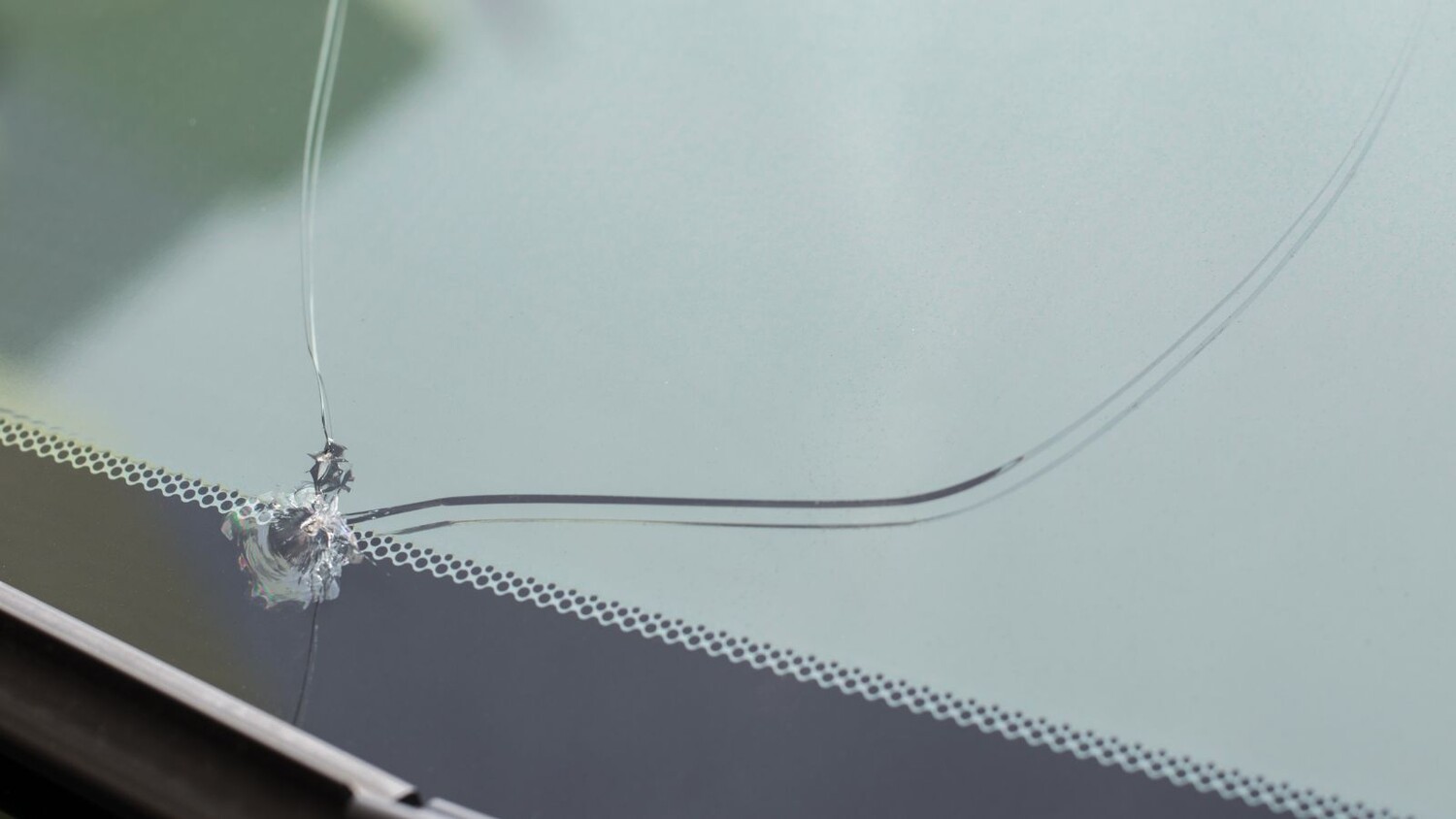
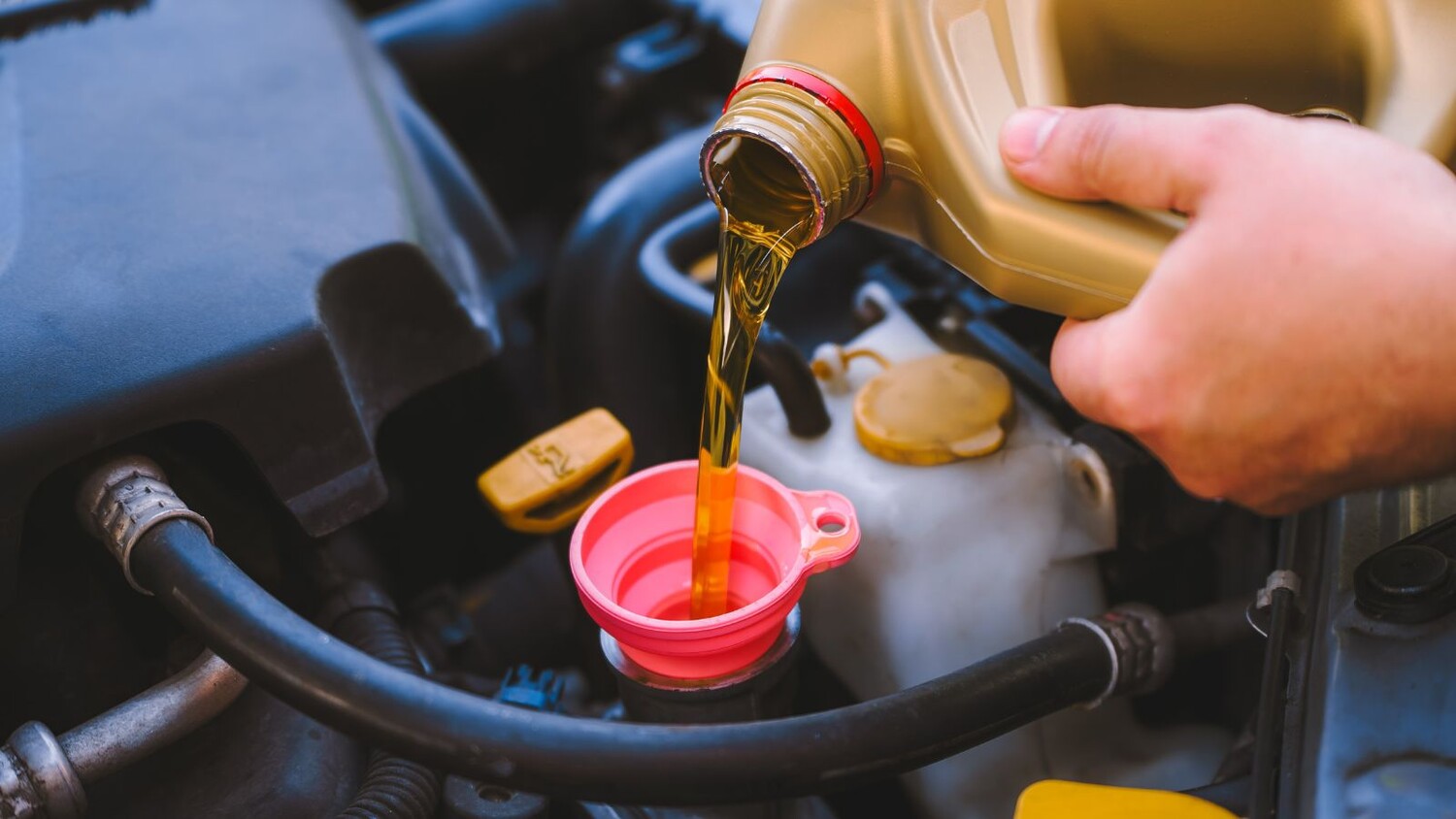
The first hard freeze has a way of exposing weaknesses a vehicle managed to hide through summer and early fall. A slightly tired battery, marginal tire pressure or tiny windshield chip can seem harmless when mornings are mild. Once temperatures fall below freezing, however, components contract, fluids thicken, rubber stiffens and moisture turns to ice. Suddenly, a minor maintenance item can become a no-start, visibility problem or roadside breakdown. Many of these failures are preventable because warning signs often appear before genuinely severe winter weather arrives. These 18 small car problems are worth catching early, especially in climates where the first freeze is only the beginning of months of colder driving. A Battery That Is Already Getting Weak A battery does not have to be completely worn out to cause trouble after the temperature plunges. Slow cranking, occasional hesitation on startup or a battery that has needed a boost once may be early warnings. Cold weather reduces the amount of power a conventional starting battery can provide at exactly the same time the engine becomes harder to turn. AAA notes that an engine can require roughly 30% more energy to start around the freezing point, while battery capacity can fall dramatically in much colder conditions. That is why the first genuinely cold morning often produces a sudden wave of no-start situations. A battery that seemed perfectly acceptable during a mild afternoon can have very little reserve left at dawn. Age matters as well; batteries commonly become more vulnerable after several years of service. Testing the battery and charging system before persistent freezing weather arrives can reveal a marginal unit before it turns an ordinary commute into a call for roadside assistance. Worn Spark Plugs or a Marginal Ignition System An engine that occasionally hesitates, idles roughly or takes an extra second to start in warm weather may become much less cooperative in freezing temperatures. Spark plugs gradually wear, ignition components deteriorate and older wiring can develop problems that are easy to overlook when an engine starts effortlessly. Canadian winter-preparation guidance specifically identifies worn spark plugs and defective ignition components as potential causes of difficult starting and sudden breakdowns. The first freeze often exposes that weakness because cold starts are already more demanding. The battery is working harder, the oil is thicker and the engine has been sitting at a lower temperature for hours. Adding weak ignition performance to that combination can mean extended cranking, misfires or an engine that simply refuses to start. Modern vehicles may use coil-on-plug ignition rather than traditional plug wires and distributor caps, but the principle remains the same: an existing ignition fault rarely becomes easier to live with once winter arrives. Tires That Were Only Slightly Low on Air A tire that was a few pounds below specification in September can become significantly more underinflated when temperatures drop. Transport Canada advises that tire pressure falls by about 1 psi for every 5°C decrease in air temperature. That means a substantial seasonal temperature swing can lower pressure noticeably even when there is no puncture and no meaningful amount of air has escaped. Underinflation affects more than the appearance of a tire. It can alter handling, increase rolling resistance and cause additional tire wear. The change can also trigger a tire-pressure warning after the first cold night, even though the same tires produced no warning the previous afternoon. Pressure should be checked when tires are cold and adjusted to the specification on the vehicle’s tire-information label rather than the maximum pressure printed on the tire itself. The spare deserves attention too; it cannot provide much help during a winter roadside emergency if it has quietly lost pressure for months. Tread That Looked “Good Enough” in Dry Weather A tire with marginal tread can feel perfectly acceptable on dry pavement, which makes it easy to postpone replacement. Freezing temperatures and winter precipitation change that calculation. Transport Canada notes that all-season and summer tires begin losing elasticity below approximately 7°C, while winter tires are designed to remain more flexible in colder conditions. Tread depth also becomes particularly important once water, slush and snow must be moved away from the tire’s contact area. Transport Canada advises against using winter tires with less than 4 mm of tread for winter driving and warns that traction declines as tires wear. A tire approaching the end of its useful winter tread may therefore reveal its limitations during the first slick morning rather than during a sunny autumn commute. Drivers may notice earlier wheelspin, more frequent stability-control intervention or a less secure feeling while braking. Those signs should not be dismissed simply because the tires remain above a bare legal minimum. Coolant That Is Low, Old or Improperly Mixed Coolant has two major seasonal jobs: carrying heat away from the engine and resisting freezing when the vehicle is parked. A system that is slightly low or filled with an unsuitable concentration may not create an obvious problem in mild weather. Once temperatures fall, inadequate freeze protection becomes much more serious. Transport Canada recommends checking both coolant level and antifreeze strength as part of winter vehicle preparation, along with the radiator cap, thermostat and water pump. The consequences of getting this wrong can extend far beyond losing cabin heat. Coolant expands as it freezes, and insufficient antifreeze protection can expose cooling-system components—and potentially the engine itself—to expensive damage. AAA notes that a typical 50/50 antifreeze-water mixture can provide protection to around -34°F, although the correct coolant specification and concentration should always come from the vehicle manufacturer. A small top-up should therefore not turn into guesswork with whatever fluid happens to be available in the garage. A Tiny Cooling-System Leak A faint coolant smell, a dried residue near a hose connection or a small drop in the reservoir may seem easy to monitor rather than repair. Winter is not a good season for that gamble. Rubber hoses, clamps, seals and other cooling-system parts go through repeated heating and cooling cycles, and AAA notes that minor “cold leaks” can appear after components cool and undergo expansion and contraction. A leak that loses only a small amount of coolant at first can eventually leave the system too low to manage engine temperature properly or supply consistent cabin heat. AAA warns that driving with insufficient coolant can cause serious engine damage and that deteriorated hoses or leaks generally worsen over time. Before freezing weather becomes routine, hoses should be inspected for dampness, cracking, bulges, brittle areas and loose clamps. A minor hose or clamp repair is inconvenient; an overheated engine on a freezing roadside is a substantially more expensive problem. A Small Windshield Chip A stone chip that has remained unchanged for months can suddenly become a long crack when the weather turns cold. Automotive glass expands and contracts as temperatures change, creating additional stress around an already damaged area. Rapid heating can make matters worse, which is one reason pouring hot water onto an iced windshield is strongly discouraged. AAA advises repairing small windshield chips promptly because extreme weather and rapid temperature changes can cause minor damage to spread. Once a crack grows too large or reaches a problematic location, a relatively simple resin repair may no longer be possible and the entire windshield may require replacement. Winter adds another complication: drivers frequently alternate between a frozen exterior surface and warm defroster air inside the vehicle. A tiny damaged spot therefore enters one of the most stressful periods of its life just as clear forward visibility becomes particularly important. Wiper Blades That Already Leave Small Streaks A narrow streak across the windshield can be merely annoying during a light autumn rain. Add freezing precipitation, road salt and dirty slush thrown by other vehicles, and poor wiper performance becomes a visibility problem very quickly. Transport Canada recommends replacing blades that streak and notes that winter-specific blades can be useful in severe conditions. CAA also says the average wiper blade lasts only about six months. Cold weather can make aging rubber less effective, while ice can prevent a blade from sitting evenly against the glass. Drivers sometimes compound the problem by switching the wipers on while the blades are frozen to the windshield. That can damage the rubber, frame, linkage or wiper motor. The safer approach is to clear ice manually and allow the defroster to loosen frozen material. If a blade already skips, chatters or leaves unwiped areas before the first freeze, winter is unlikely to improve it. Summer Washer Fluid Left in the Reservoir Windshield washer fluid often receives little attention until it is suddenly needed. A reservoir partly filled with summer-grade fluid may work perfectly well through September, only to become useless when temperatures fall below its freeze rating. Transport Canada recommends winter washer fluid rated to approximately -40°C for Canadian winter conditions and advises carrying an extra container. Frozen washer fluid is more than a maintenance nuisance. Slush, spray and road salt can coat a windshield within minutes on a busy winter highway, making a functioning washer system essential for maintaining visibility. Fluid that freezes in the reservoir, hoses or nozzles cannot clear that contamination when needed. Simply adding a small quantity of winter fluid to a large amount of summer fluid can also reduce the protection expected from the winter product. Seasonal preparation should therefore include getting appropriately rated fluid through the entire washer system, not merely topping up the tank. Moisture Around Door Seals and Locks A worn or dirty door gasket may barely attract attention in mild weather. Add moisture followed by a freeze, however, and the seal can stick firmly to the body of the vehicle. Traditional key cylinders and mechanical lock components can develop the same problem when water works its way inside. AAA notes that frozen doors and locks are commonly caused by moisture combined with low temperatures. The costly part can come after the freezing has already happened. Pulling aggressively on a frozen handle can damage the handle, seal or other door components. AAA advises against excessive force and recommends keeping rubber seals clean and treating them appropriately to limit sticking. A door that occasionally feels tacky or has a torn weatherstrip deserves attention before winter because repeated freeze-thaw cycles can turn a minor annoyance into an inaccessible door—or a broken handle—on exactly the morning when the vehicle is needed most. A Serpentine Belt With Early Cracks or Wear A serpentine belt can keep functioning despite glazing, fraying or early deterioration, which makes replacement easy to postpone. Unfortunately, one belt may drive several important accessories, depending on the vehicle. If it finally breaks, systems such as the alternator, water pump or power-steering assistance on some vehicles can stop operating, quickly changing a small maintenance issue into a breakdown. AAA recommends inspecting accessory-drive belts for cracking and fraying before winter and notes that some newer serpentine belts do not show obvious visual wear. Maintenance intervals therefore matter along with physical inspection. Cold-weather reliability is especially important because a belt failure that might merely be inconvenient in summer can leave occupants waiting in dangerous temperatures. Squealing, visible edge damage or unexplained charging and accessory problems should not automatically be blamed on harmless cold-weather noise. The vehicle manufacturer’s service schedule remains the best guide for replacement timing. Old Oil or the Wrong Cold-Weather Viscosity Engine oil becomes more resistant to flow as temperatures drop. Modern multigrade oils are designed to work across a broad temperature range, but using the wrong viscosity—or running oil well past its required service interval—can make cold starts more demanding. The “W” portion of a multigrade oil’s rating relates to its low-temperature characteristics; lower winter-viscosity numbers generally indicate better flow at cold-start temperatures. That does not mean drivers should simply switch to the thinnest oil available. Engines are designed around specific viscosity and performance standards, so the owner’s manual and oil-filler information should determine what goes into the engine. AAA notes that cold conditions thicken motor oil and that proper cold-weather viscosity helps oil circulate during startup. A car already cranking slowly or sounding unusually laboured on cold mornings deserves investigation. Using the manufacturer-specified oil and observing the recommended service interval removes one unnecessary source of stress during freezing starts. Brakes That Have Started Squealing, Grinding or Pulling A little brake noise can be tempting to postpone when the vehicle still appears to stop normally. Winter roads leave much less room for that approach. Transport Canada specifically recommends a thorough pre-winter brake check and identifies pulling, changes in pedal feel, squealing and grinding as signs that repairs may be needed. The first icy morning can make an existing imbalance far more noticeable because available tire grip is reduced and stopping distances are already longer on slippery surfaces. A vehicle that pulls under braking on dry pavement may be even harder to control when one side of the road is icy. Grinding can indicate a condition that has progressed beyond a simple nuisance, while a changing pedal feel deserves prompt professional attention. Anti-lock braking and electronic stability systems are valuable, but they cannot restore mechanical braking capacity that has been lost through neglected components. A Small Exhaust Leak An exhaust leak may first announce itself as a faint ticking noise, unusual smell or slight change in engine sound. It is easy to focus on the noise and overlook the more serious concern: vehicle exhaust can contain carbon monoxide. Transport Canada recommends checking the exhaust system for leaks before winter specifically because a leak can allow the poisonous gas to enter the passenger compartment. Carbon monoxide is colourless and odourless, which means occupants cannot depend on smell as a warning. Winter can create additional risks because windows generally stay closed and stranded vehicles may be left idling for warmth. Snow can also obstruct a tailpipe; Transport Canada advises keeping it clear if a vehicle becomes stuck. A minor exhaust defect should therefore be treated as more than a cosmetic problem. What sounds like a small rattle in October can become a serious cabin-safety issue once freezing weather changes how the vehicle is used. A Heater or Defroster That Is Only “Mostly” Working Weak cabin heat can seem tolerable when outside temperatures remain above freezing. Once frost begins forming on glass, the heater and defroster become safety equipment rather than comfort features. Transport Canada includes proper heater and defroster operation among the systems that should be checked before winter. A struggling blower motor, cooling-system problem or HVAC fault can leave the windshield clearing slowly—or not clearing at all. The importance is significant enough that Transport Canada vehicle recalls involving failed defrosters routinely identify reduced visibility and increased crash risk as the safety concern. Early warning signs can include a fan that works only at certain speeds, noticeably weak airflow, heat that changes unpredictably or a windshield that takes an unusually long time to defog. Those symptoms deserve investigation before the first morning when a completely frosted windshield has to be cleared before departure. Regularly Driving With an Almost-Empty Fuel Tank Keeping only a small amount of fuel in the tank can seem harmless when filling stations are everywhere. Winter adds another consideration. CAA recommends keeping the tank at least half full in very cold weather because reducing the empty air space can help limit condensation, which may otherwise contribute to fuel-line freezing problems. Modern fuel systems are far less prone to freeze-ups than those in older vehicles, but the broader winter benefit remains practical. A fuller tank also gives a gasoline vehicle more operating time if traffic is halted, a road closes or the car becomes stranded during a storm. The first freeze is a useful point to change the habit of running the gauge near empty. What begins as a small convenience decision can become much more significant if a weather delay stretches an ordinary 30-minute trip into several hours with limited opportunities to refuel. Cameras and Sensors Covered by a Little Frost Modern vehicles increasingly rely on cameras, radar and other sensors for features such as automatic emergency braking, forward-collision warning, lane assistance and blind-spot monitoring. A thin layer of ice or packed snow can interfere with those systems even when the vehicle itself drives normally. Transport Canada warns that driver-assistance technologies may not perform properly in winter weather. Its own winter testing illustrates how significant the effect can be. In tests involving five vehicles, Transport Canada reported that three of the five failed to provide a forward-collision warning when the relevant sensor was covered in ice, regardless of the test speed. That makes a small frozen patch over a sensor much more important than its appearance suggests. Snow, salt and road grime should be cleared from cameras and sensor areas before driving, but drivers still need to remain responsible for braking, steering and observing traffic rather than assuming electronic assistance is fully available. Tiny Rust Spots and Damaged Protective Coatings A tiny paint chip or patch of early underbody corrosion can remain almost unchanged through dry summer weather. Winter introduces moisture, slush, road salt and repeated freeze-thaw cycles. CAA notes that de-icing salts are highly corrosive to vehicle metal and that moisture can work into small imperfections in protective coatings, allowing corrosion to spread into less visible areas. Those areas matter because the underbody contains far more than cosmetic sheet metal. Brake lines, suspension components, fuel lines, exhaust parts and structural sections can all be exposed to winter contamination. Once the first freeze arrives, many jurisdictions begin using salt or other de-icing treatments more frequently, increasing exposure. Washing accumulated salt from the vehicle—particularly the underside—and repairing exposed paint or deteriorated protection can help limit the process. A rust spot that costs little to address early can become a substantially more complicated repair after several winters of neglect. 19 Used Cars Canadians Should Avoid in 2026 (Based on Owner Complaints) Buying a used car in Canada can feel safe until repair bills start stacking up. Owner complaints tell a different story than glossy listings. Transmission failures, electrical problems, and weak winter reliability show up again and again in consumer reports. Many of these issues appear after warranties expire, when owners least expect them. Some vehicles look affordable upfront, but become expensive to keep on the road. Others struggle in cold weather, urban driving, or long highway commutes. Here are 19 used cars Canadians should avoid in 2026 (based on owner complaints).

 Liked by Oliver Mitchell, Emma Walker






















 Liked by Oliver Mitchell, Emma Walker