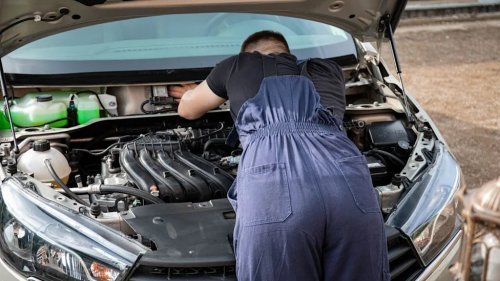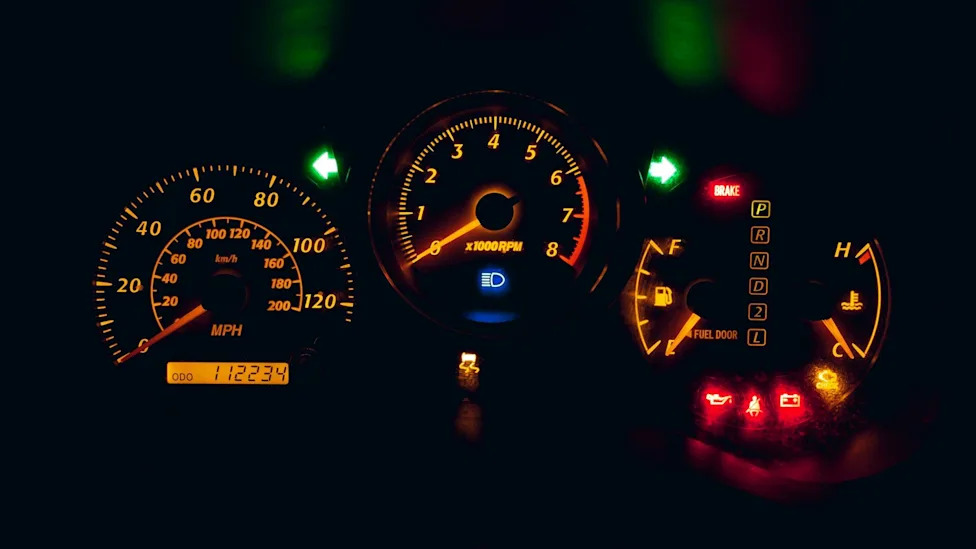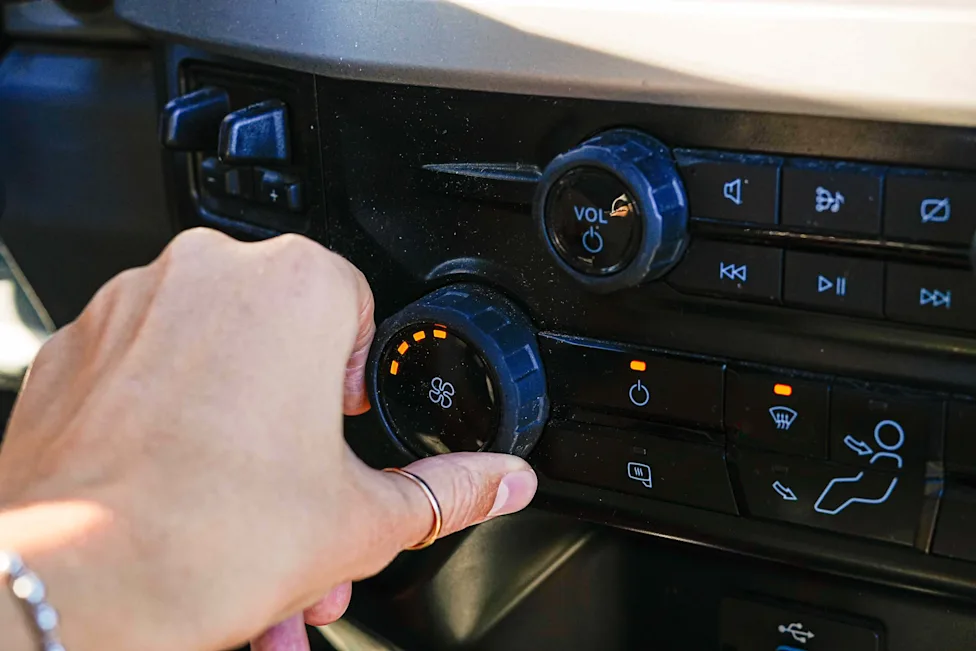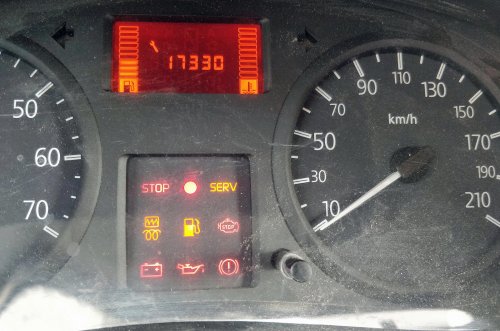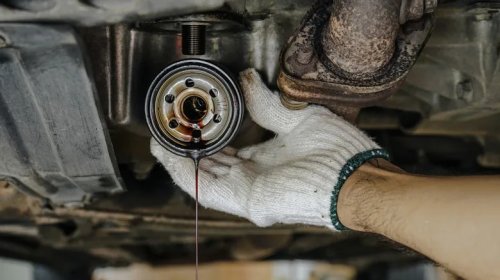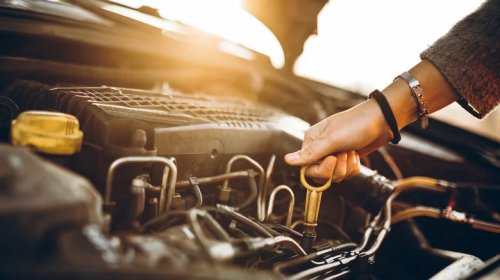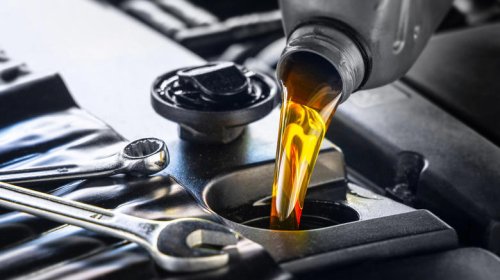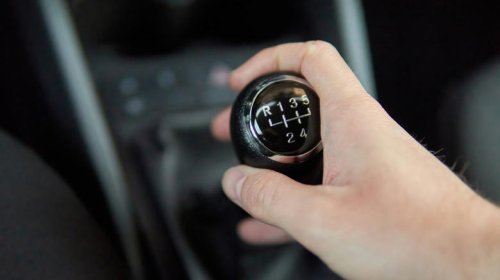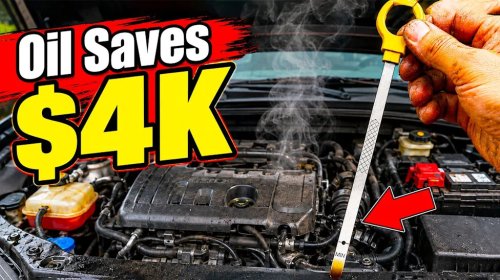
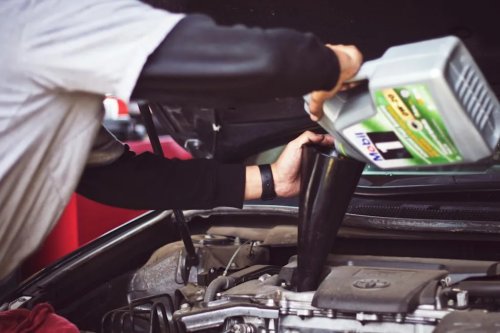
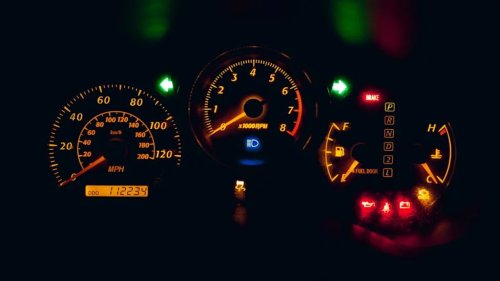

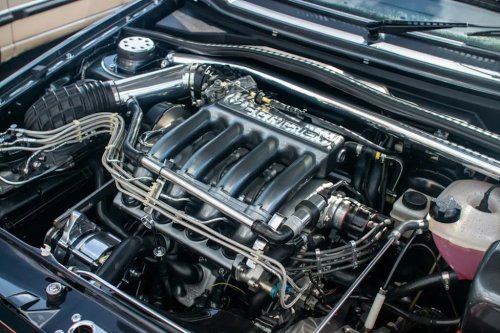

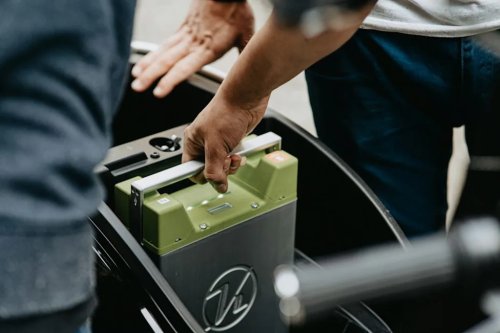
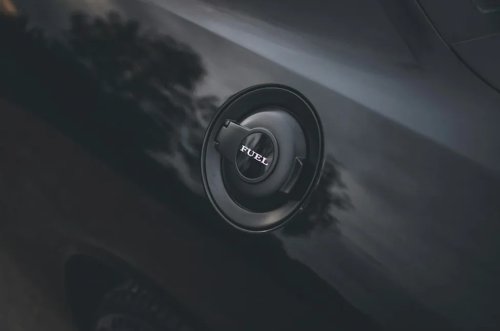
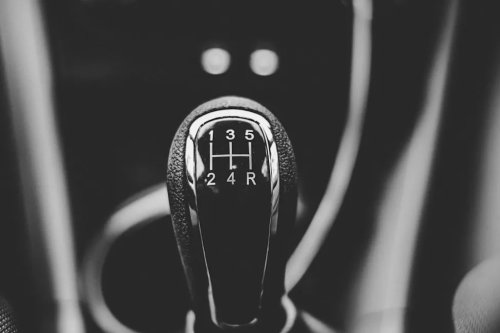
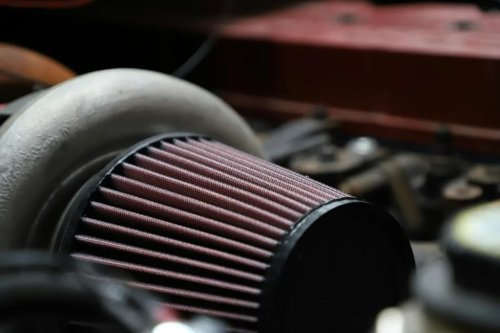

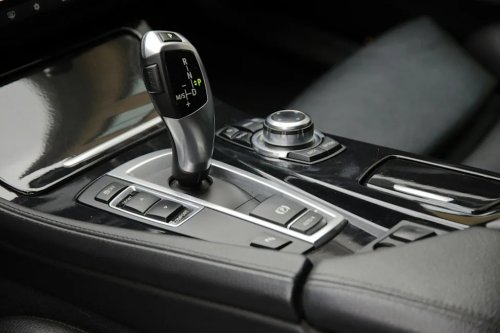
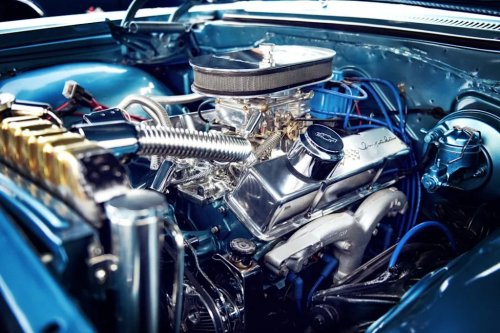
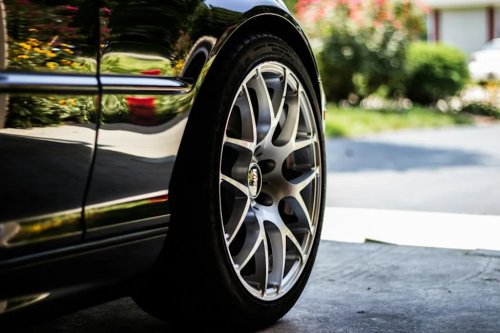
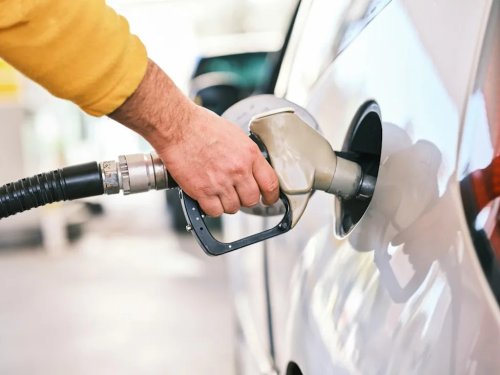



















Image: Gadget ReviewYour car sends warnings constantly, but most drivers tune them out like a spam notification. Ignoring these signals turns minor fixes into wallet-draining disasters. Understanding the seemingly small habits and maintenance oversights that cause major damage saves significant headaches and repair bills. These 17 common blunders were selected for their pervasive nature and potential for costly consequences—everyday missteps that can grind your ride to a halt.17. Never checking engine oil levelImage: UnsplashLow oil kills engines faster than you'd think.Engine oil lubricates, cools, and cleans internal parts constantly. When that fluid dips too low, accelerated wear, overheating, and full-blown meltdown follow. Oil consumption happens through combustion blow-by, minor seal leaks, and natural degradation, even between regular oil changes. Most manufacturers recommend checking oil monthly or at every fuel fill, especially on higher-mileage engines.AdvertisementAdvertisementTopping up a quart of oil as soon as the level nears minimum prevents catastrophic damage. Check your dipstick monthly on level ground with the engine off; the level should sit between the "MIN" and "MAX" marks. A $5 quart prevents a $4,000 engine swap—simple math.16. Using the AC recirculation button the wrong wayImage: UnsplashYour secret weapon for efficient cooling, when used correctly.The recirculation function closes the fresh-air intake and recycles cabin air through the HVAC system. In hot conditions, recirculation allows the system to cool already chilled cabin air instead of continually cooling hot outside air. This reduces compressor workload and fuel consumption significantly.Extended use of recirculation in cold, wet, or foggy conditions traps moisture inside the cabin, fogging windows and making the defroster useless. Switch to fresh air to clear glass. Many owner's manuals advise using recirculation primarily for rapid cooling or to keep out polluted air in tunnels and heavy traffic, then turning it off to control humidity.15. Ignoring the check engine lightImage: UnsplashThat little orange lamp is trying to save you thousands.AdvertisementAdvertisementThe check engine light indicates the engine control module has stored a diagnostic trouble code from a sensor monitoring emissions, fuel, ignition, or other systems. Common causes include loose fuel caps, oxygen sensor faults, catalytic converter efficiency issues, and misfires. Driving long-term with an active check engine light allows minor issues to escalate into major damage.A faulty sensor, left unaddressed, can ruin a catalytic converter, often requiring repairs running several thousand dollars. Many parts stores offer complimentary OBD-II code reading. This quick scan gives you the information to prevent a small annoyance from becoming a massive headache.14. Skipping the parking brake on an automaticImage: UnsplashThe parking pawl was never designed to hold your vehicle's full weight.In automatic transmissions, the parking pawl is a small metal locking pin that engages a gear in the transmission output shaft to hold the vehicle when "P" is selected. Relying solely on the parking pawl—especially on inclines—forces the full weight of the vehicle onto this small component, causing wear, deformation, or breakage over time.AdvertisementAdvertisementProper practice: come to a complete stop, keep foot brake applied, engage the parking brake, then shift into Park so the brakes carry the vehicle's weight. Damage to the parking pawl or associated components requires disassembling the transmission, making repairs labor-intensive. Using the parking brake every time you park reduces stress on the transmission and adds a second layer of security against vehicle roll-away.13. Driving with worn-out windshield wiper bladesImage: UnsplashClear visibility costs $20; the alternative isn't worth considering.Wiper blades are made primarily of rubber or silicone, which degrades from UV exposure, ozone, heat, road grime, and winter ice. Most need replacement every 6–12 months depending on climate. Worn blades cause streaking, skipped areas, and noise, significantly reducing visibility in rain or snow and increasing accident risk.Damaged wipers can also scratch or score the windshield if the rubber separates and the metal or hard plastic frame contacts the glass. Replacement wiper blades are relatively inexpensive and generally easy to install without tools, making them one of the simplest safety maintenance tasks.12. Pressure-washing the engine bayImage: UnsplashHigh-pressure water and sensitive electronics make terrible roommates.AdvertisementAdvertisementModern engine compartments contain numerous sensitive components—ECUs, fuse boxes, wiring harnesses, connectors, ignition coils, alternators, and sensors—that aren't designed for direct high-pressure water jets. Pressure-washing can force water past seals into electrical connectors, causing corrosion, short circuits, misfires, and intermittent electrical faults that are difficult to diagnose.Water pushed into the air intake or through poorly sealed components can contribute to hydrolock, where incompressible water enters cylinders, potentially bending connecting rods and damaging the engine. The safer method for cleaning an engine bay uses a dedicated degreaser, soft brush, and low-pressure rinse or wipe, avoiding direct spraying of electrical and intake components.11. Driving through deep waterImage: UnsplashA deceptively calm puddle can destroy your engine and transmission.Many automatic transmissions have breather or vent hoses positioned relatively low; submerging these in deep water allows water to enter the transmission, contaminating the fluid. Water-contaminated automatic transmission fluid turns milky and loses its ability to lubricate and carry away heat, quickly damaging clutch packs, bearings, and internal seals.AdvertisementAdvertisementDeep water can be drawn into the engine intake, causing hydrolock: water fills cylinders, leading to bent connecting rods, cracked pistons, and potentially a destroyed engine. Flood water also affects wheel bearings, differentials, and electrical systems, leading to long-term corrosion and reliability issues. Unless specifically engineered for water fording, most passenger cars should avoid flooded roads entirely.10. Not resetting the battery management system after battery replacementImage: UnsplashYour car's computer needs to know about that new battery.Many modern vehicles use a Battery Management System (BMS) or Intelligent Battery Sensor that tracks battery age, capacity, and charge history. When a new battery is installed, the BMS must often be reset or "registered" via a scan tool so the charging strategy and load management are recalibrated to the fresh battery.Failure to reset the BMS can lead to improper charging—overcharging or undercharging—which shortens battery life and can cause repeated early battery failures. Some manufacturers require BMS reset procedures documented in service manuals, and many independent shops or dealerships provide this as a routine step with battery replacement.9. Leaving the fuel cap loose or offImage: UnsplashOne click prevents a check engine light and keeps fuel vapors where they belong.AdvertisementAdvertisementModern fuel systems are sealed and monitored by the evaporative emissions (EVAP) system; a loose or missing gas cap is one of the most common causes of EVAP leak codes and check engine lights. A faulty seal at the fuel cap allows fuel vapors to escape, increasing hydrocarbon emissions and potentially causing a noticeable fuel smell around the vehicle.When the EVAP system detects a pressure imbalance due to a loose cap, the engine control module stores a DTC (often P0455 or P0457) and illuminates the check engine light. Proper installation involves tightening the cap until it clicks several times; damaged caps or seals should be replaced to restore the system's integrity.8. Resting your hand on the gear shifterImage: UnsplashContinuous pressure wears transmission components faster than you'd expect.The gear lever is mechanically linked to the transmission's selector mechanism; continuous pressure from a resting hand causes cumulative wear. In manual gearboxes, resting a hand on the shifter can keep the shift fork lightly contacting the synchronizer ring, leading to premature wear of both components and eventual shifting issues.AdvertisementAdvertisementIn automatics, the detent mechanism and internal linkage that holds the selected gear position can be stressed by constant lateral or downward pressure on the lever. Driver ergonomics and safety guidance commonly advise keeping both hands on the steering wheel except when actively shifting, to avoid unintended gear changes and mechanical stress.7. Never changing the cabin air filterImage: UnsplashDirty air filters turn your AC into a lukewarm disappointment.The cabin air filter cleans air entering the HVAC system, capturing dust, pollen, smoke particles, and other airborne contaminants before they reach the passenger compartment. A clogged cabin filter restricts airflow through the heating and air conditioning system, making the blower work harder and reducing effectiveness of AC, heat, and defrost functions.Many manufacturers recommend replacement every 15,000–25,000 miles or about once a year, with shorter intervals in dusty or high-pollution environments. Dirty cabin filters can foster mold and bacteria, leading to unpleasant odors and potential respiratory irritation for occupants. Most cabin filters are accessible behind the glove box or under the dash and can be replaced in minutes with minimal tools.6. Overloading the vehicleImage: UnsplashExceeding payload limits punishes every system from suspension to brakes.AdvertisementAdvertisementEvery vehicle has a specified payload or maximum combined weight of passengers and cargo, listed on the tire and loading information label and in the owner's manual. Regularly exceeding payload stresses suspension components (springs, shocks, struts, bushings), accelerating wear and increasing risk of failure.Overloading increases stopping distances and places extra heat load on brakes, which can lead to faster pad and rotor wear and brake fade. Tires are rated for specific load indices; carrying more weight than rated increases sidewall stress, internal heat, and risk of blowouts, especially in hot weather or at highway speeds. Drivetrain components, including the transmission, also experience higher torque loads when the vehicle is overloaded or towing beyond rated capacity.5. Holding the car in Drive at long stopsImage: UnsplashExtended idling in Drive generates heat that degrades transmission fluid.In an automatic, when the car is stopped in Drive with the brake applied, the torque converter continues to churn fluid, generating heat even though the vehicle isn't moving. Prolonged idling in Drive, especially in hot weather or heavy traffic, can raise transmission fluid temperature significantly, accelerating fluid breakdown and stressing seals and clutches.AdvertisementAdvertisementExcessive heat is a primary cause of automatic transmission failure; fluid begins to degrade above about 200°F, and sustained temperatures around 240°F can harden seals and glaze clutch surfaces. Shifting into Neutral or Park during extended stationary periods reduces torque converter load and heat generation, helping maintain fluid integrity and transmission longevity.4. Revving a cold engine and transmissionImage: UnsplashCold oil can't protect; give fluids time to circulate before demanding performance.Engine oil has higher viscosity when cold and takes time after startup to circulate fully to bearings, camshafts, and cylinder walls; high revs before proper lubrication increase wear. Automatic transmission fluid is also thicker when cold and needs time to warm and flow through valves and clutch packs; aggressive driving immediately after startup can stress internal components.Best practice is to let the engine idle for roughly 30–60 seconds on cold starts, then drive gently for several minutes until coolant and oil temperatures begin to rise. Many manufacturers warn against extended idling to "warm up" in place; moderate driving under light load warms drivetrain components more efficiently than high-rev stationary running.3. Running incorrect tire pressureImage: UnsplashProper inflation extends tire life, improves fuel economy, and prevents blowouts.Under-inflated tires flex more, creating extra internal heat that degrades rubber and increases rolling resistance, which shortens tire life and worsens fuel economy. Over-inflated tires reduce the contact patch, leading to faster wear in the center of the tread, harsher ride, and reduced traction and braking performance.The correct cold tire pressure is specified on the placard inside the driver's door jamb or in the owner's manual, and is usually different from the maximum pressure printed on the tire sidewall. Tire pressures should be checked when tires are cold (before driving more than a mile) using a reliable gauge; monthly checks are commonly recommended. Driving at high speed or in hot conditions with significantly improper pressure increases the risk of blowouts and loss of vehicle control.2. Using premium fuel in an engine that doesn't require itImage: UnsplashHigher octane only helps engines designed to need it.Octane rating measures a fuel's resistance to knock (pre-ignition); high-compression or turbocharged engines often require premium fuel to prevent detonation under load. Engines designed for regular gasoline are calibrated (compression ratio, ignition timing, fuel maps) around that octane level; using higher octane than specified does not increase power or efficiency in such engines.Many owner's manuals distinguish between "premium recommended" (performance benefits possible but not required) and "premium required" (lower octane can cause knock and potential engine damage). Modern engines with knock sensors can adjust timing if lower-than-recommended octane is used, but this generally reduces power and efficiency. Consistently buying premium for an engine rated for regular results in unnecessary fuel expense with no mechanical benefit.1. Never inspecting or cleaning battery terminalsImage: UnsplashCorrosion increases electrical resistance and mimics a failing battery.Battery terminals and cable ends can develop corrosion (white or bluish-green crust) from reactions between battery acid vapor and metal, especially in humid or coastal environments. Corrosion increases electrical resistance at the connection, leading to slow cranking, intermittent electrical issues, and charging system problems.Heavily corroded terminals can mimic a failing battery or alternator, causing misdiagnosis and unnecessary replacement of good components. Cleaning typically involves disconnecting the battery, scrubbing terminals and clamps with a wire brush and a baking-soda-and-water solution or commercial terminal cleaner, then reassembling and applying protective spray. Regular inspections (for example, at each oil change) help catch corrosion early and maintain reliable starting and stable system voltage.From the coolest cars to the must-have gadgets, GadgetReview's daily newsletter keeps you in the know. Subscribe - it's fun, fast, and free.